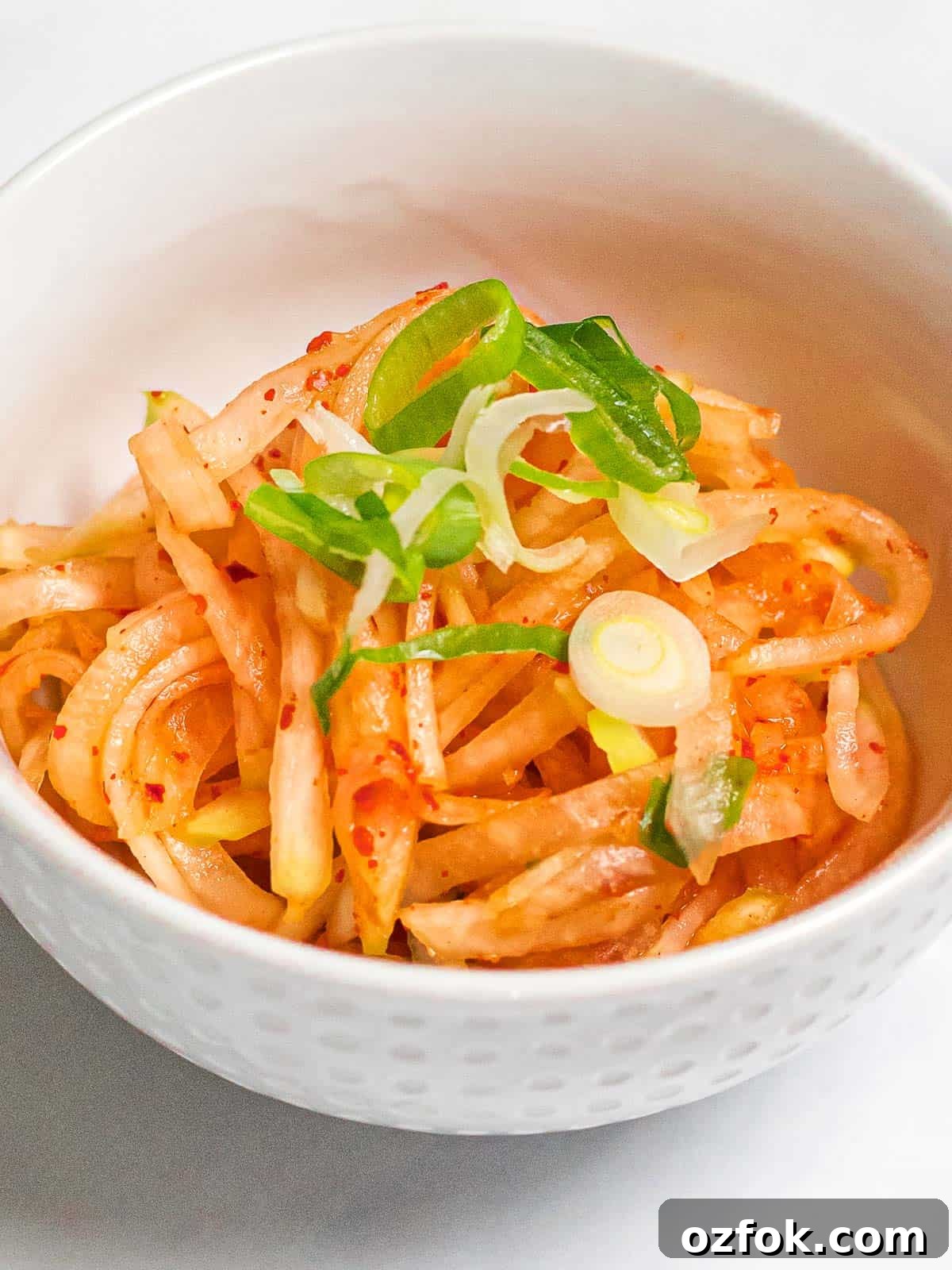
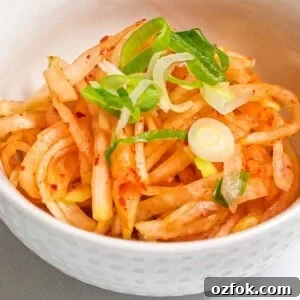
This spicy Korean radish salad (Musaengchae) is a quick, healthy Korean side dish made with shredded daikon or Korean radish and red pepper flakes. Ready in about 15 minutes.
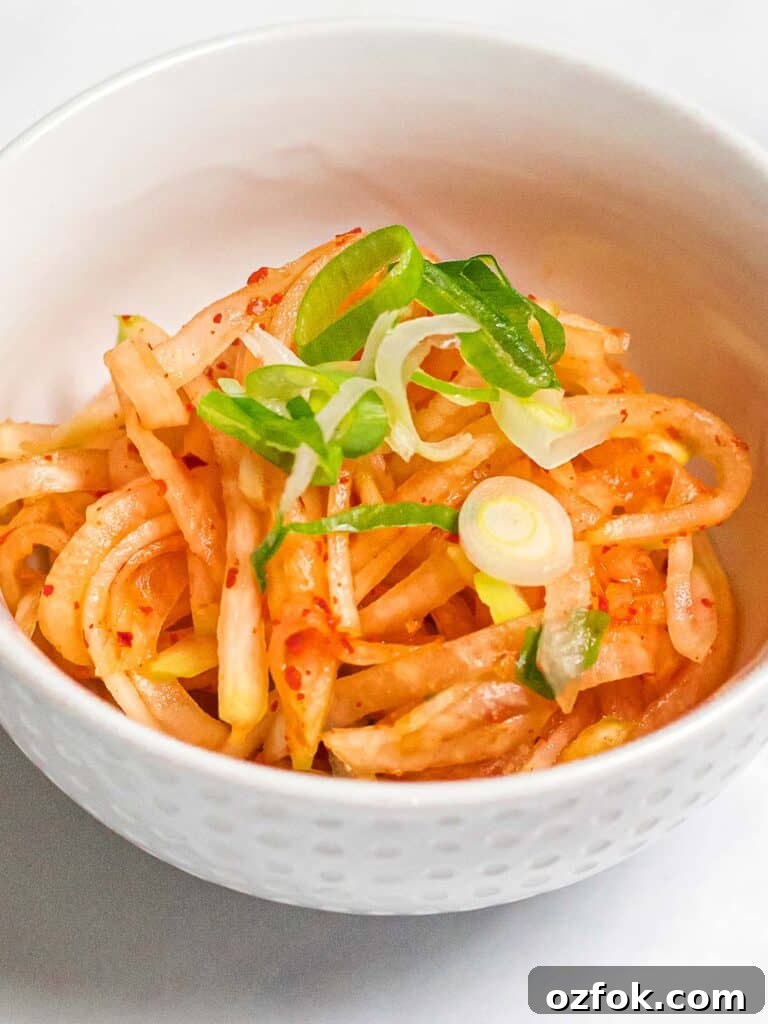
This spicy Korean radish salad is one of my favorite quick and simple banchan. It’s crisp, refreshing, and pairs beautifully with richer, oilier main dishes. The raw radish provides a satisfying crunch and brightens the meal.
I often serve this salad alongside grilled or stir-fried meats to cut through the richness. It’s also great with rice bowls, Korean stews, or as part of a larger spread of small dishes.
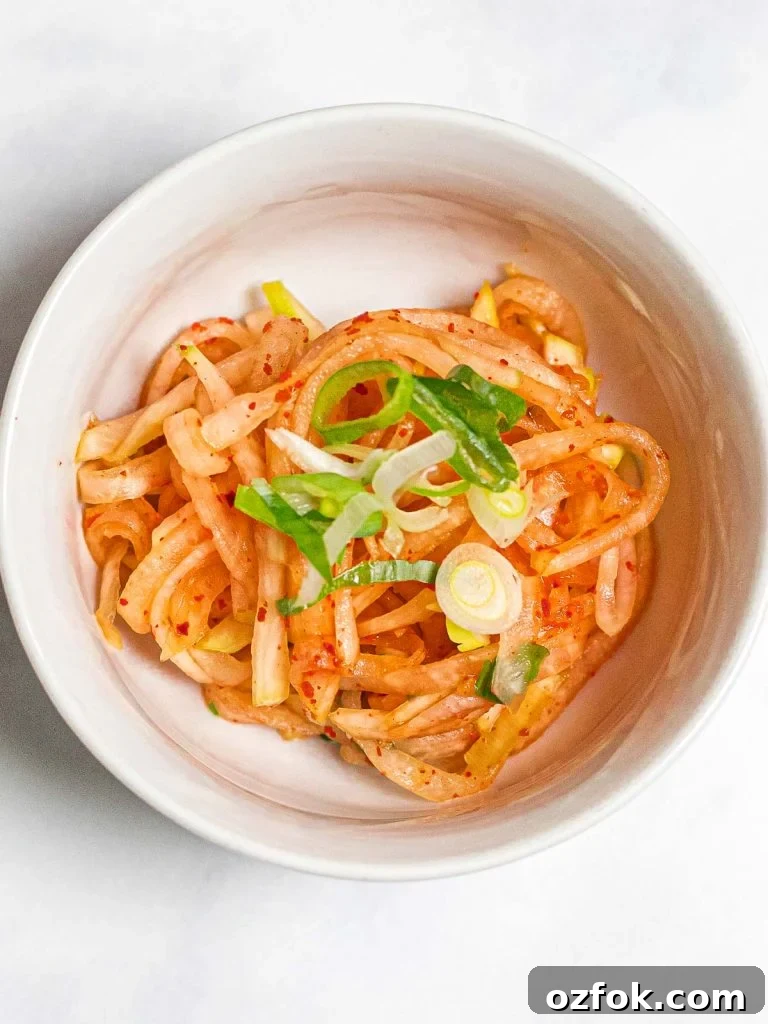
What does Korean radish taste like?
Korean radish (mu, 무) has a mild peppery bite with a subtle sweetness and a very crisp texture. It’s high in fiber and vitamins, making it both nutritious and refreshing. While similar to daikon, Korean radish can have a slightly stronger radish flavor and a firmer texture. Either works well in this recipe.
How to eat Korean radish
Korean radish is versatile: eat it raw in salads, quick-pickle it, use it in soups and stews, braise it, or ferment it into radish kimchi. For this recipe we use it raw and julienned for maximum crunch.
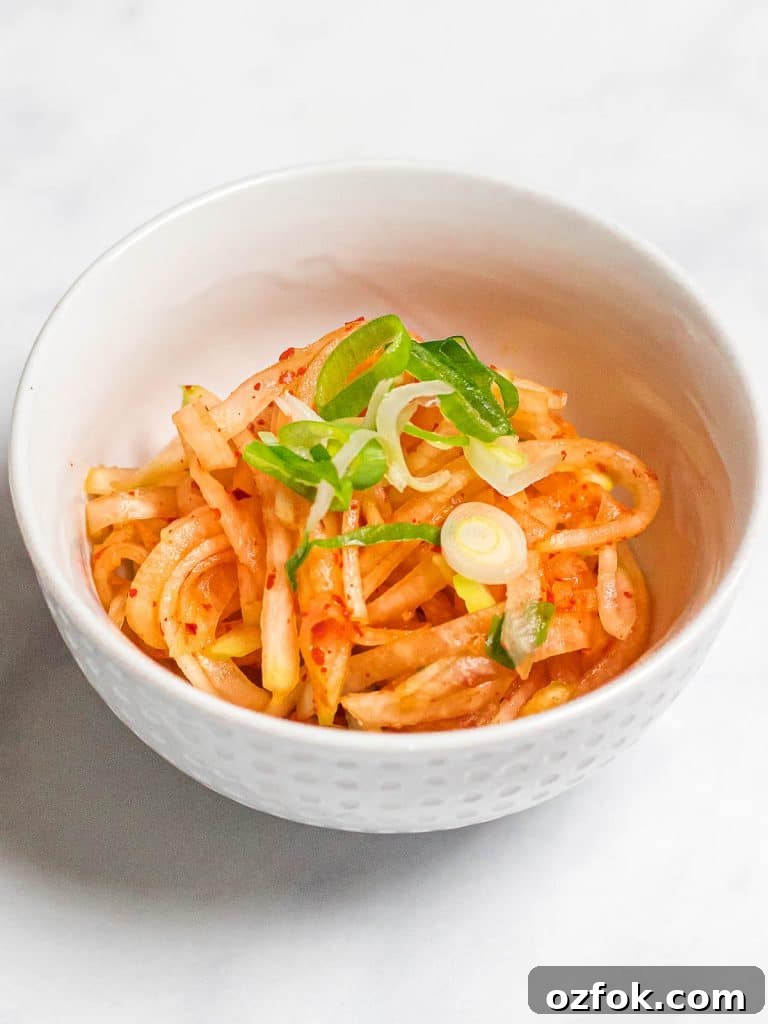
How to make spicy Korean radish salad
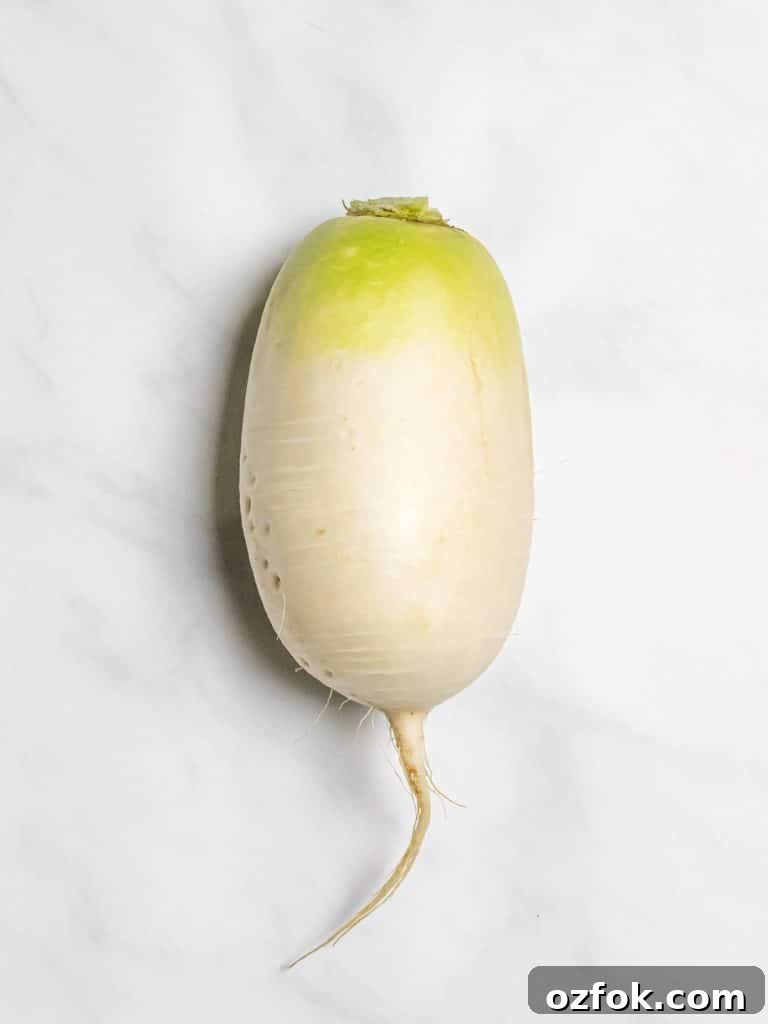
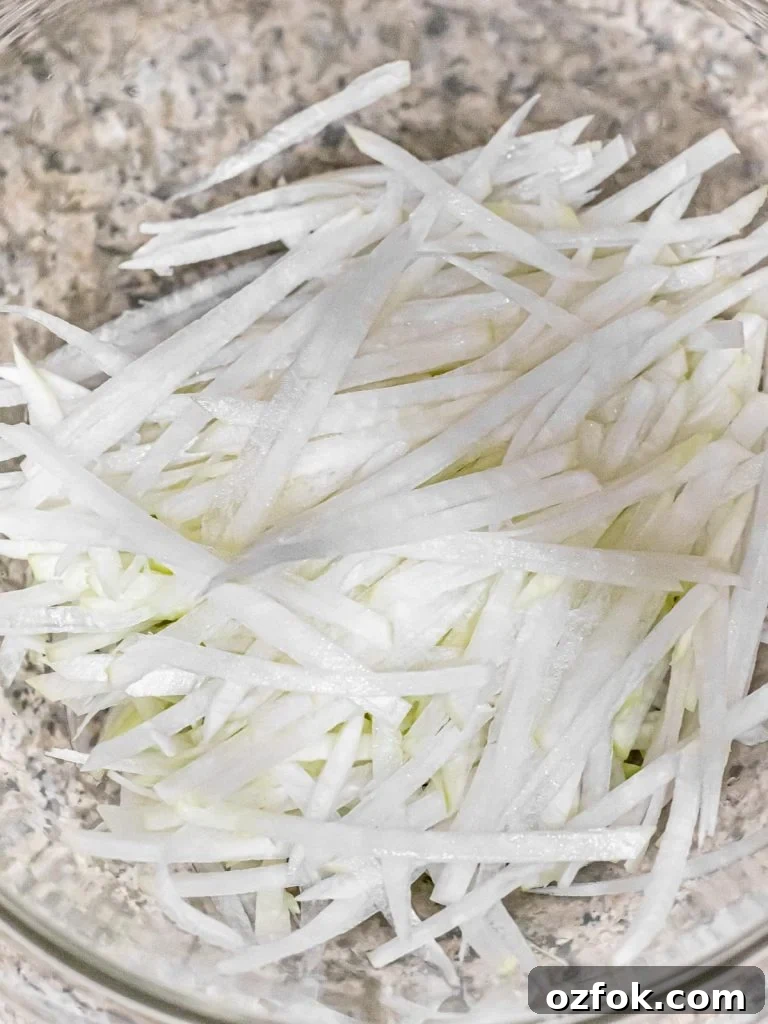
Begin by washing and peeling the radish. Using a sharp knife or a mandoline, cut it into thin julienne strips. Place the shredded radish in a large bowl.
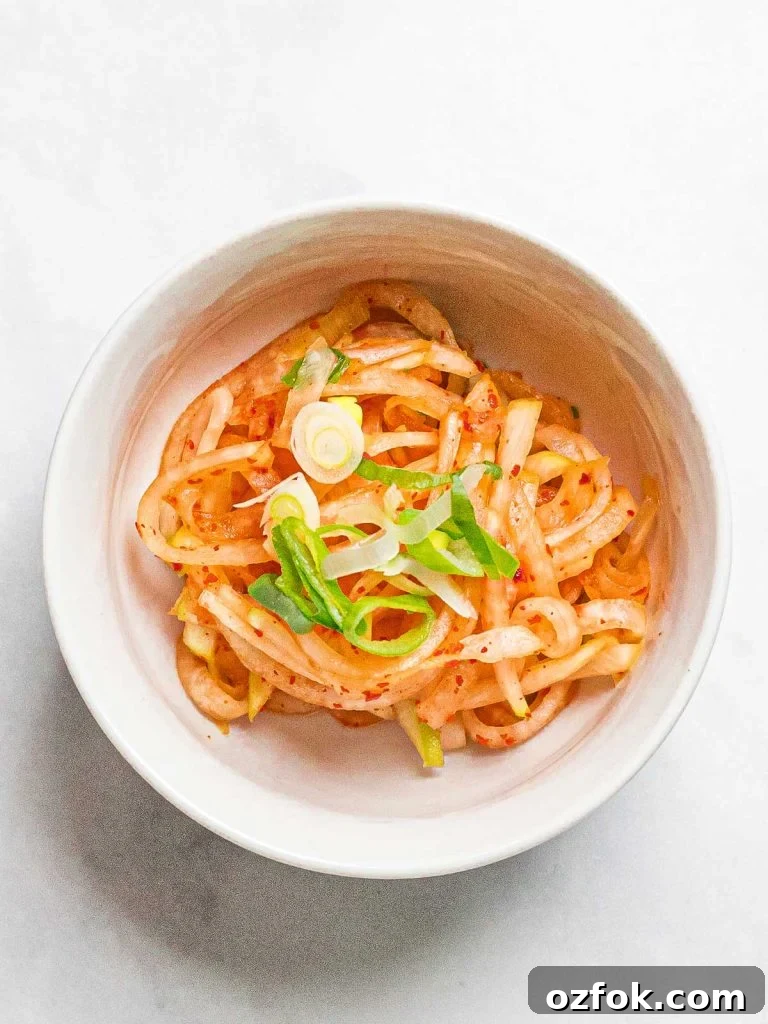
Add Korean red pepper flakes, sugar, minced garlic, rice wine vinegar, fish sauce (or soy sauce), salt, and sliced scallions to the bowl. Mix and massage the dressing into the radish until the strips are evenly coated. The salad can be served immediately, but letting it sit 5–10 minutes develops the flavors.
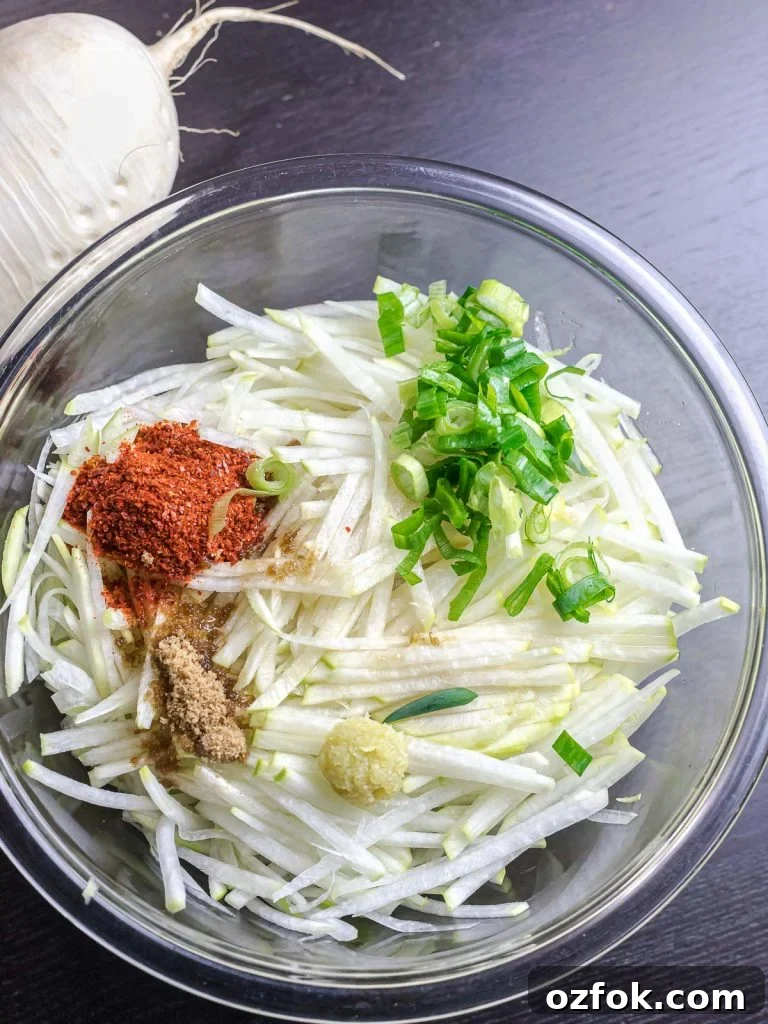
The dressing balances heat, acidity, and a touch of sweetness. Adjust the red pepper flakes and salt to taste. If you prefer less sodium, reduce the fish sauce or substitute with low-sodium soy sauce.
Storing leftovers
Store leftovers in an airtight container in the refrigerator for up to one week. The radish will release more liquid over time, so expect increasing juices the longer it sits. Drain excess liquid before serving if desired.
Common questions
How and where to buy Korean radish?
Find Korean radish at Korean or Asian grocery stores in the produce section. Choose a radish with a smooth, unblemished surface and no cracks. It should feel heavy for its size and may show light green coloring near the top.
What is the difference between daikon and Korean radish?
Daikon is usually longer and narrower, while Korean radish tends to be shorter and wider. Flavor and texture are similar, so you can substitute one for the other in this recipe. Using Korean radish may yield a slightly stronger radish flavor.
I hope you enjoy this spicy Korean radish salad! If you have questions or feedback, feel free to leave a comment below.
Let’s stay connected!
- Subscribe to the newsletter for recipe updates
Want more? Check out these other recipes!
-

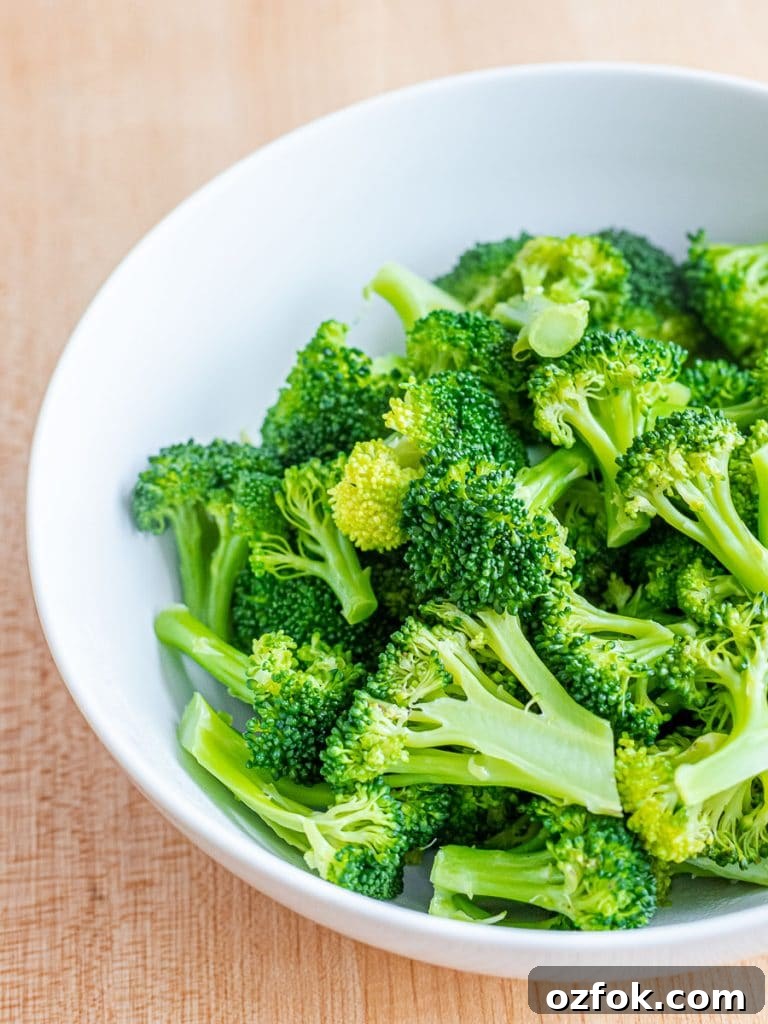
Asian Sesame Broccoli Salad -
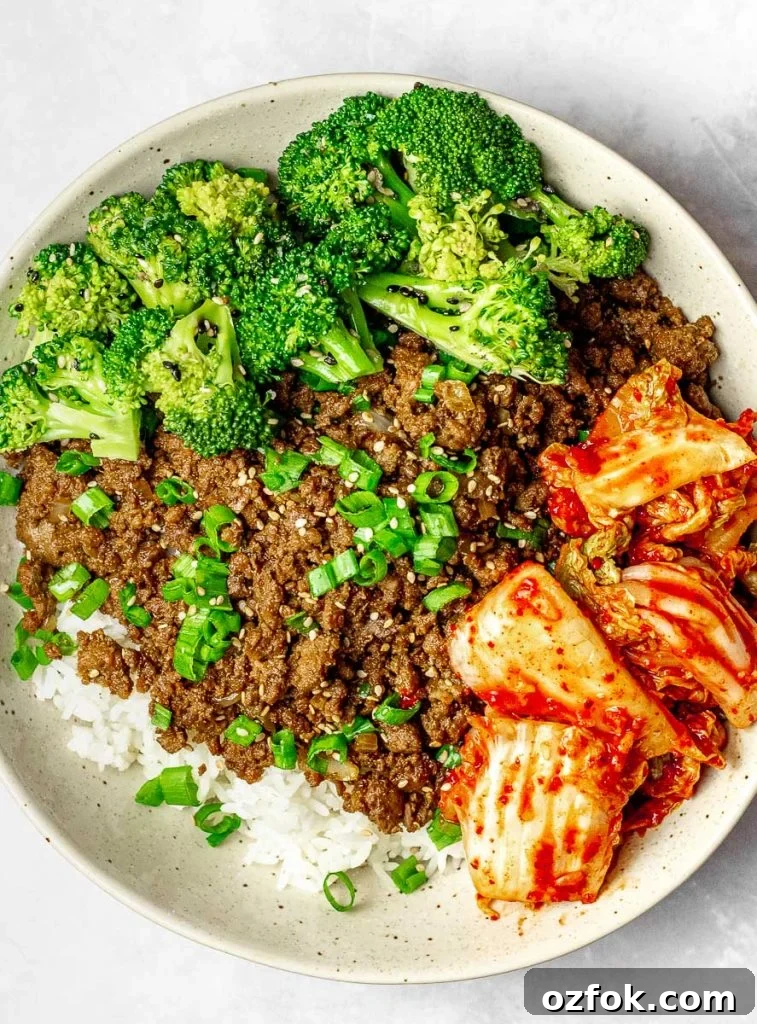
15 Minute Korean Beef Bowl -
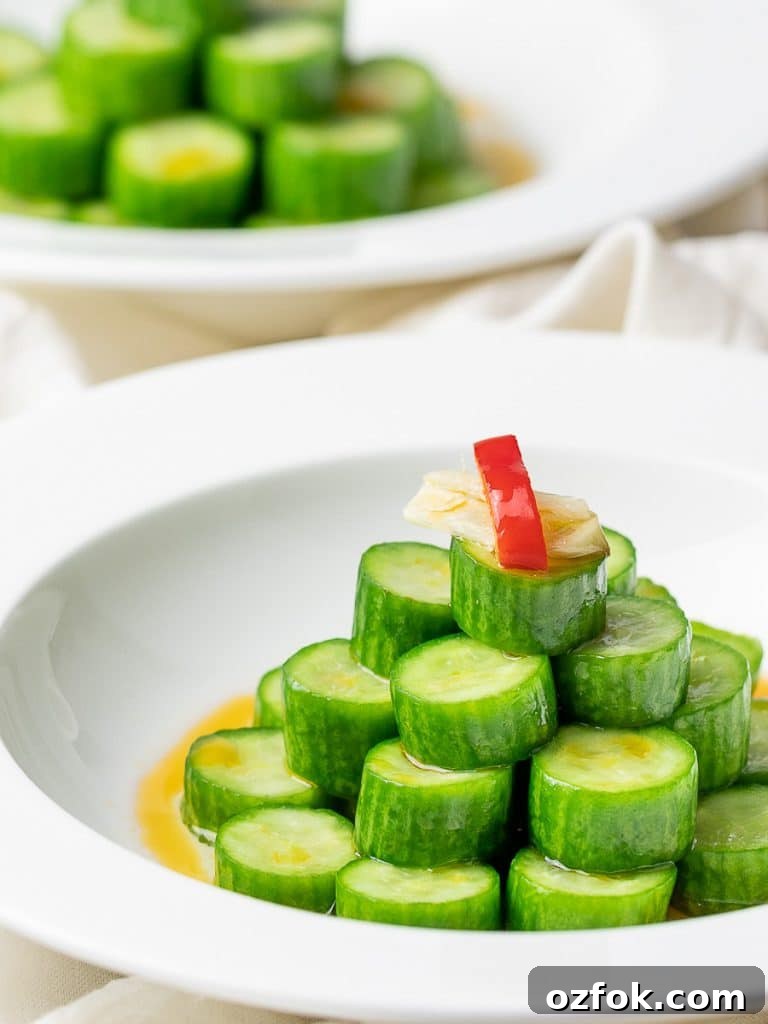
Crunchy Asian Cucumber Salad -
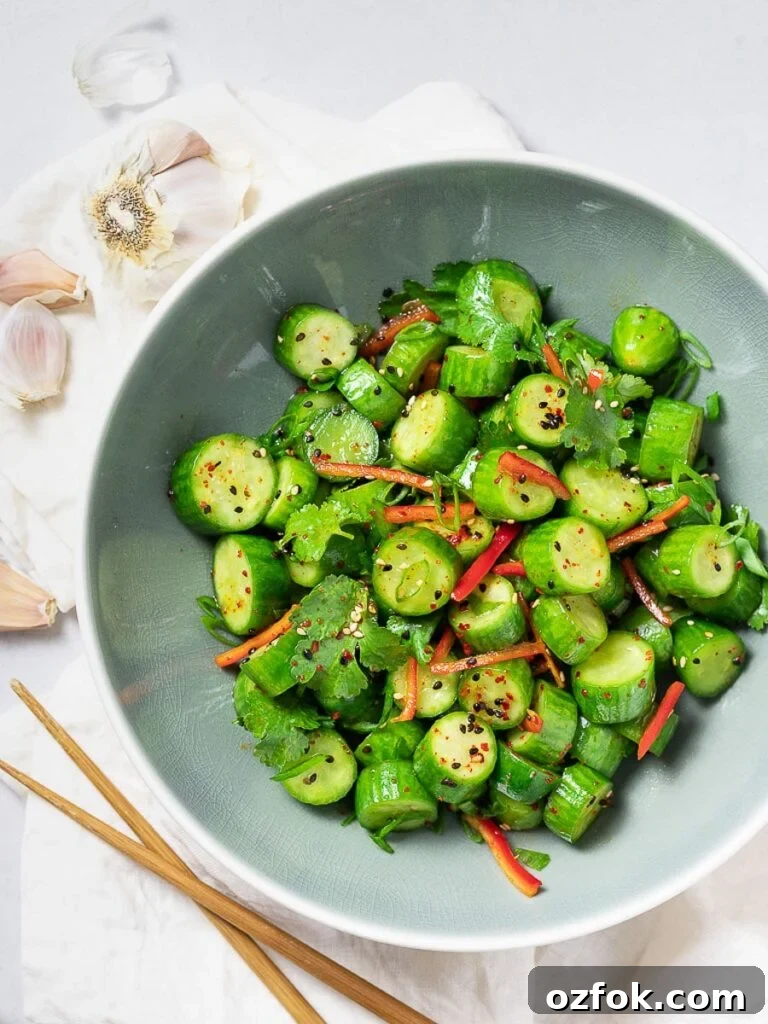
Spicy Asian Cucumber Salad -
Chinese Style Dry Fried Garlic Green Beans -
Korean Potato Side Dish – Gamja Jorim

Spicy Korean Radish Salad | Musaengchae
Rate
Equipment
-
Mandoline slicer (optional)
Ingredients
- 5 cups Korean radish, julienned
- 2 stalks scallions, sliced
Dressing Ingredients
- 1–2 Tablespoon Korean red pepper flakes (adjust to taste)
- ⅔ Tablespoon sugar
- 1½ teaspoons rice wine vinegar
- 1½ teaspoons fish sauce (or soy sauce)
- 1½ teaspoons salt
- 1 teaspoon garlic, minced
Instructions
-
Wash and peel the radish. Using a sharp knife or mandoline, julienne the radish and add it to a large bowl.
-
Add the dressing ingredients and massage them into the radish until everything is well combined. Taste and adjust seasoning, then serve.
Notes
- Store leftovers in an airtight container in the refrigerator for up to one week. The radish will release more juices the longer it sits.
- You can substitute daikon for Korean radish in this recipe.
- Choosing a Korean radish: Pick one with a smooth, blemish-free surface and no cracks. It should feel heavy for its size and may be light green near the top.
Nutrition
Nutrition information is automatically calculated, so should only be used as an approximation.
Like this? Leave a comment below!