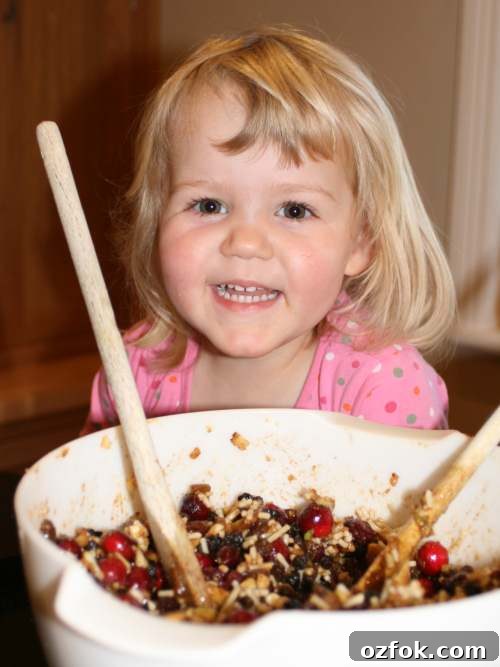
This is my kitchen brigade.
Despite their youth, they’re a skilled, enthusiastic and well-trained crew, excellent at pouring, measuring, stirring and rolling out.
They would be at home in some of the world’s best kitchens.
They also like to listen to Iggy and the Stooges while they cook.
This weekend we made a batch of mincemeat for Christmas mince pies. Although all things Christmas are officially banned in our house until Advent, mincemeat is the exception because it needs a few weeks to mature in the jar before use.
At times when tradition matters, it’s natural to consult a national institution, so we dug out Delia Smith’s gloriously eighties Christmas for this recipe. The book may be dated, but the classics are there in precise detail. The structure of the recipe is sound, though we made a few sensible modifications for speed and safety. I value my fingers and those of my children, so I didn’t slice almonds into slivers by hand as directed — almonds slip and a knife is risky. Instead we used a food processor, which is far quicker and safer.
Mincemeat is mainly an assembly job with a lot of stirring. Ethan measured 350g of large red raisins, 225g of sultanas and 350g of currants into a big bowl. Lara switched the music from Iggy Pop to The Beatles. I zested two oranges and two lemons, added the zest to the bowl, and we all helped squeeze the juice over the dried fruit.
Delia calls for two Bramley apples to be finely chopped, which looked tedious, so I chopped one into small chunks and grated the other on the coarse side of a box grater. That keeps texture without endless chopping.
We added 225g of suet, 450g of fresh cranberries and 350g of soft brown sugar. Everything then went into a larger bowl to give room for proper stirring. To that we added 4 teaspoons of mixed spice, half a teaspoon of cinnamon and a good grating of nutmeg. The cranberries cut through the overall sweetness and the spices make the mix unmistakably festive.
Next came 50g of chopped almonds and 225g of candied peel. Delia recommends buying candied peel in a single piece and chopping it by hand, but we used a good-quality tub of Italian peel, which worked perfectly.
Everyone had a turn at stirring, some of us even using two wooden spoons at once for extra efficiency. Most of the mincemeat stayed in the bowl.
The mixture needs to rest overnight so the flavours can develop, then it’s cooked very gently (about 150°C) for a long time — roughly three hours — loosely covered with foil. The low heat melts the suet, which coats the fruit and helps to prevent the apples fermenting inside the jars.
I have an annual debate with a friend about whether mincemeat should be cooked. She insists it doesn’t need cooking and points to a family recipe as proof. I tried an uncooked version once and ended up with jars that seemed to be fermenting, so I lost my nerve. My brother, the chef, laughed and said mincemeat should be cooked unless you want to risk spoilage or worse. Ever since, I’ve always cooked mine.
After three hours the mincemeat smells wonderful but looks messy, swimming in fat. It must cool so the fat can coat the fruit and set. I place the bowl in a sink of cold water and stir gently and steadily for about five minutes — being careful not to crush the cranberries.
Pack the cooled mincemeat into sterilized jars, store them in a dark cupboard, and wait until at least December before even thinking about making mince pies.