Written by Denine W.
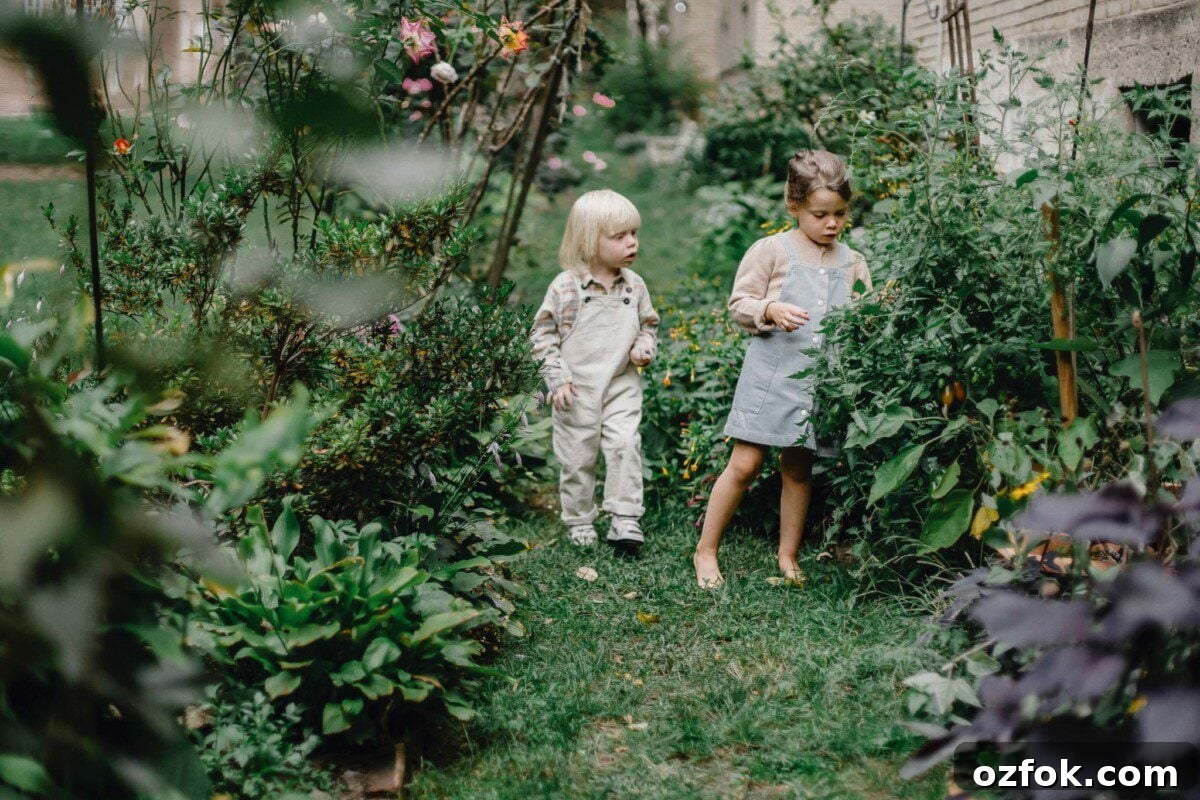
When I think back to my childhood, my fondest memories are of playing outdoors.
I loved the shadowy area at the back of the house with trees and shrubs that felt like a small forest to explore. At my grandparents’ house, there was a raised area with a sandpit and rocks to climb, where I pretended I was scaling the walls of a castle.
These days many children spend a lot of time on screens. If they get outside at all, it’s often to visit a conventional playground. While playground equipment can be fun, plastic slides and metal merry-go-rounds don’t always inspire imagination the way natural spaces do.
More importantly, many conventional playgrounds rely on materials that aren’t ideal for children’s health. Synthetic turf, rubber surfacing, paints, and treated metals can contain chemicals worth avoiding.
You can, however, create a natural playground at home that encourages exploration, creativity, and healthy outdoor play. Below are seven DIY natural playground ideas your kids will love — and you may enjoy them too.
Table of Contents
- What Is Natural Play?
- Benefits of Natural Play for Kids (and Adults!)
- What Are Natural Playgrounds?
- Natural Materials to Consider for Your DIY Natural Playground at Home
- 7 DIY Natural Playground Ideas for Your Backyard
- 1. The Sensory Garden
- 2. A Wooden Fort
- 3. A Playscape Obstacle Course
- 4. A Treasure Hunt
- 5. The Imaginary Playscape
- 6. An Adventure Pathway
- 7. Color With Nature
- Natural Playground Ideas FAQs
- How do you build a natural playground?
- What materials do you need to build a nature playground?
- More Guides for Summer Fun in the Sun
- Final Thoughts on a DIY Playground
What Is Natural Play?
Natural play, or nature play, simply means children playing outdoors using natural elements and landscape features to guide their activities. This kind of play is often unstructured and driven by curiosity, imagination, and hands-on interaction with the environment.
Natural play isn’t only for kids — adults can join or follow a child-led activity to reconnect with nature, play, and learning.

Benefits of Natural Play for Kids (and Adults!)
Playing in nature supports physical, mental, social, and cognitive development. Natural play can:
- Improve motor skills, agility, coordination, and balance.
- Increase muscle strength.
- Boost mood and overall health.
- Support brain development as children invent games and explore.
- Provide beneficial activity for children with ADHD.
- Reduce feelings of being overwhelmed and encourage social openness.
- Promote self-awareness and empathy through shared exploration.
- Strengthen observation, reasoning, and problem-solving skills.
- Lower stress and mental fatigue by offering restorative attention in natural settings.
- Foster appreciation for the environment and conservation values.
- Engage all the senses through touch, smell, sight, and sound.
- Increase independence as children explore with freedom.
- Develop cooperation, communication, and conflict-resolution skills.
- Support learning across subjects when educational elements are added to playscapes.
- Inspire creativity and imagination.
Home
Worried About Toxic Sidewalk Chalk? These Brands Are Safe
Not all sidewalk chalk is the same. Here are a few non-toxic options to keep outdoor art safe for kids.
What Are Natural Playgrounds?
Natural playgrounds, sometimes called playscapes or nature play spaces, use natural materials and landscape features to encourage play, learning, and discovery. They are typically more sustainable and less structured than conventional playgrounds, which often rely on metal, painted surfaces, crumb rubber, and other synthetic materials.
Playscapes can be entirely natural, using textures and sensory elements from the landscape, or they can combine natural elements with repurposed or eco-friendly manufactured materials.
Natural Materials to Consider for Your DIY Natural Playground at Home
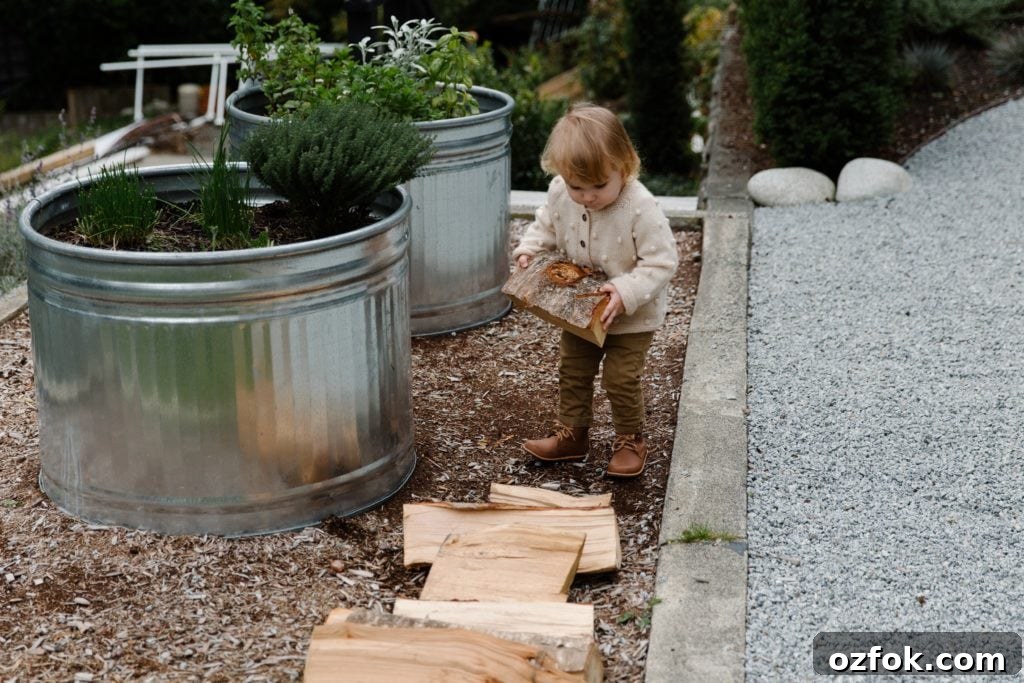
When designing a backyard playscape, mix landscape features with sustainable, repurposed items to create varied, stimulating spaces. Consider:
Nature itself:
- Boulders
- Logs and tree stumps
- Ponds or small water features
- Meadows and grassy areas
- Trees and branches
- Shells, acorns, pinecones, and seed pods
- Pine needles, bark, leaves, and rocks
- Bamboo pieces
- Non-toxic sand for a safe sandbox
- Flowers and native plants
Sustainable and repurposed materials:
- Rope and twine
- Wooden planks and crates
- Cardboard and canvas
- Burlap and fabric
- Wheelbarrows, buckets, and planters
- Kitchen tools for sensory play (pots, spoons, muffin tins)
- Old canoes, wooden boxes, and thrifted items
- Educational toys and movable pieces
Home
Turns Out, Finding a Non-Toxic Kiddie Pool Is Hard. But Here Are the Safest Options.
Most inflatable pools contain PVC and other materials to be aware of. These are safer alternatives.
7 DIY Natural Playground Ideas for Your Backyard
Here are seven practical playscape ideas you can build or gradually add to in your backyard to encourage outdoor exploration and play.
1. The Sensory Garden
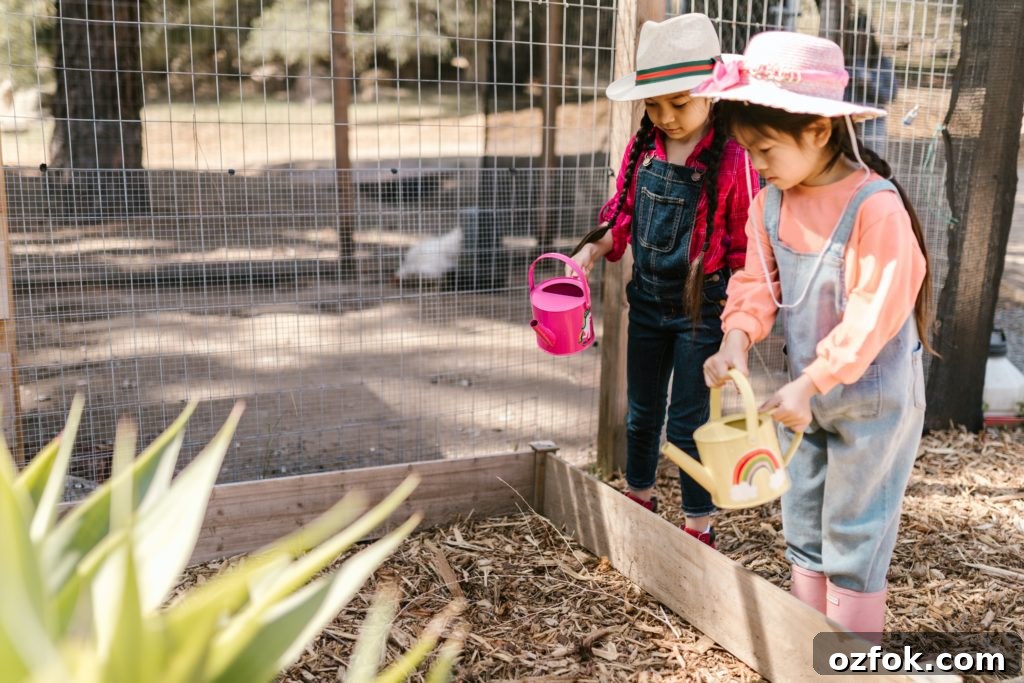
A sensory garden engages sight, smell, touch, and even taste. Choose a small corner or raised planters and fill them with herbs, flowers, succulents, and edible plants.
How to build it:
- Choose a compact, accessible spot.
- Install planter boxes or raised beds and add good soil.
- Plant a mix of herbs, flowers, fruit, and vegetables suited to your climate.
- Care for the garden with regular watering and basic maintenance.
Invite children to help with planting and labeling. Encourage regular visits to touch, smell, and observe pollinators and plant growth.
2. A Wooden Fort
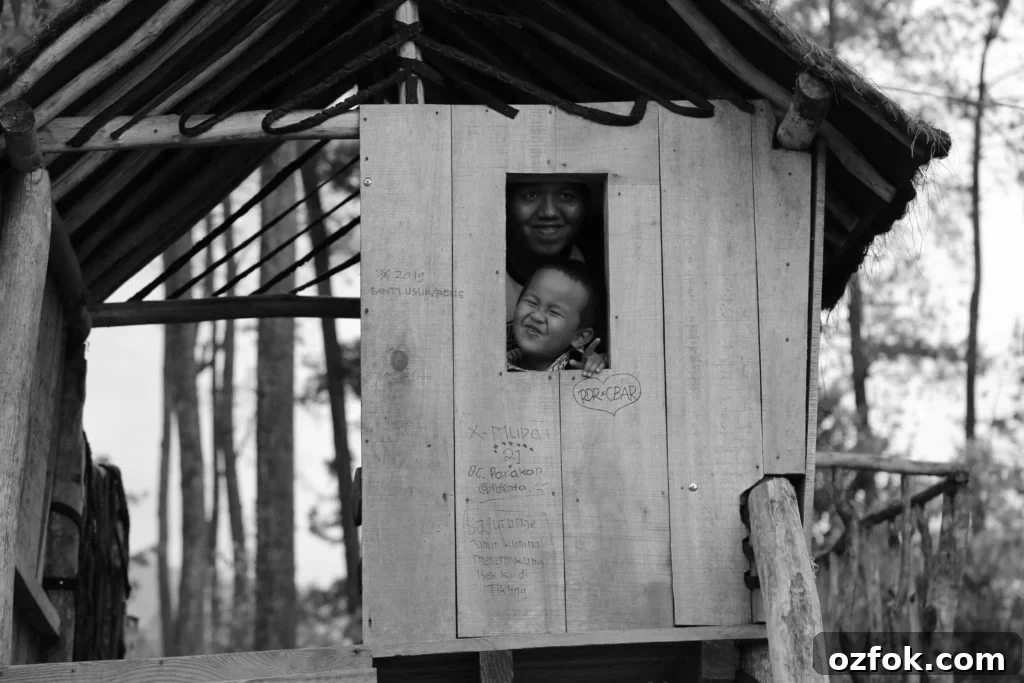
A wooden fort or playhouse creates a private imaginative space. You can buy pre-built options, follow simple DIY plans, or repurpose scrap wood to construct a cozy hideout. Let children choose colors and decorations, and furnish it with comfortable, non-toxic seating and art supplies.
3. A Playscape Obstacle Course
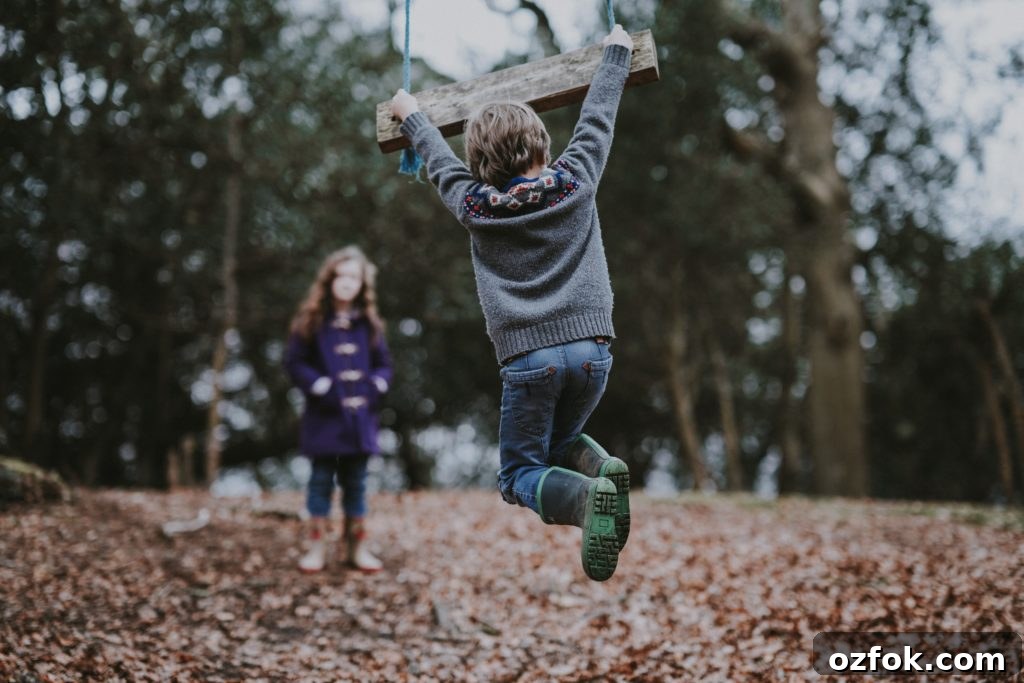
An obstacle course builds balance, coordination, and confidence. Tailor it to your child’s age and add challenges as they improve.
- Arrange tree stumps for hopping or balancing.
- Use hollow logs as tunnels or balance beams.
- Create low crawl spaces with bamboo poles and rope.
- Stack crates or straw bales for climbing.
- Add a sandbox with non-toxic sand for digging challenges.
- Balance planks over shallow streams or soft mulch.
- Hang hoops or rope swings for jumping and swinging.
4. A Treasure Hunt

A treasure hunt teaches map-reading, direction, and problem-solving. Create a simple map of your yard or neighborhood and hide small treasures or markers. Older children can help design hunts for younger siblings or adults.
5. The Imaginary Playscape
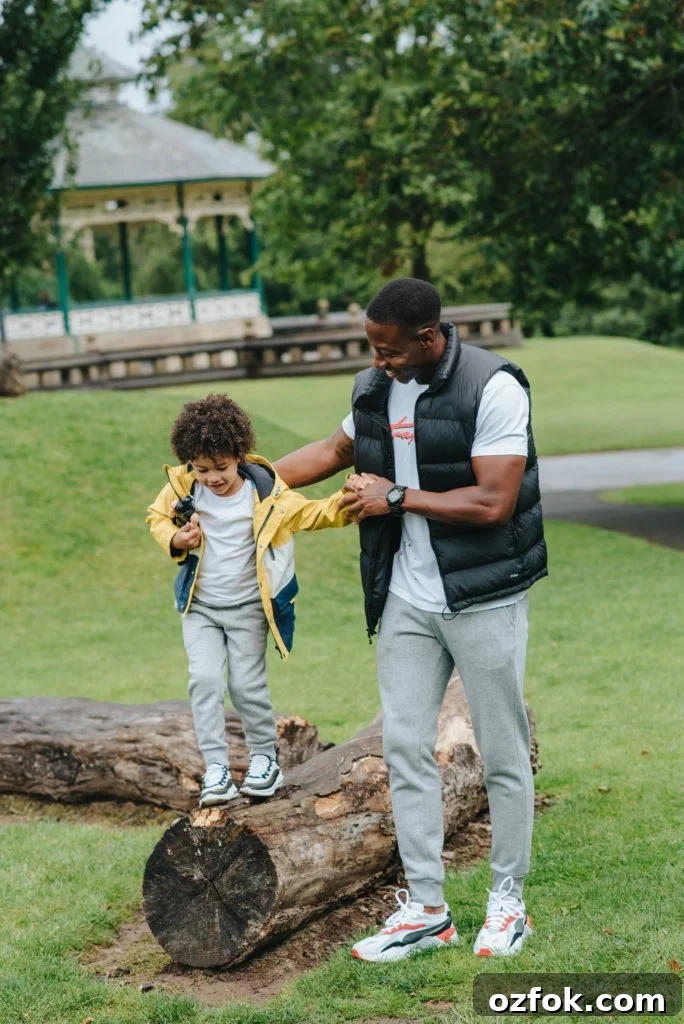
An unstructured playscape gives children materials and space without scripted uses. Provide tree stumps, an old boat or canoe, piles of shells or pinecones, wooden crates, tall grasses, and playful decorations. Let children invent rules and scenarios as they play.
6. An Adventure Pathway
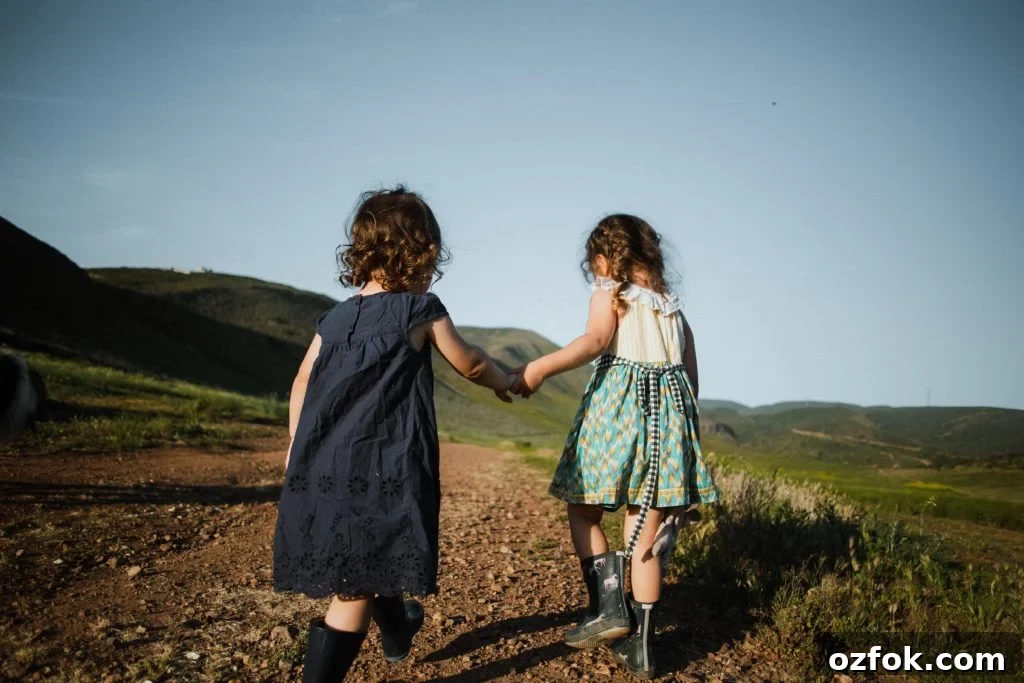
An adventure pathway encourages exploration. Use stepping stones, pebbles, mulch, or sand to form a winding route. Add discovery stops like a mini sensory garden, a fairy village, balancing logs, movable tree cookies, and acoustic elements like wind chimes or pots for rhythm play.
- Choose materials for the path surface: stepping stones, mulch, pebbles, or sand.
- Lay out a route that loops through interesting garden features.
- Create destination zones for play and learning along the way.
7. Color With Nature
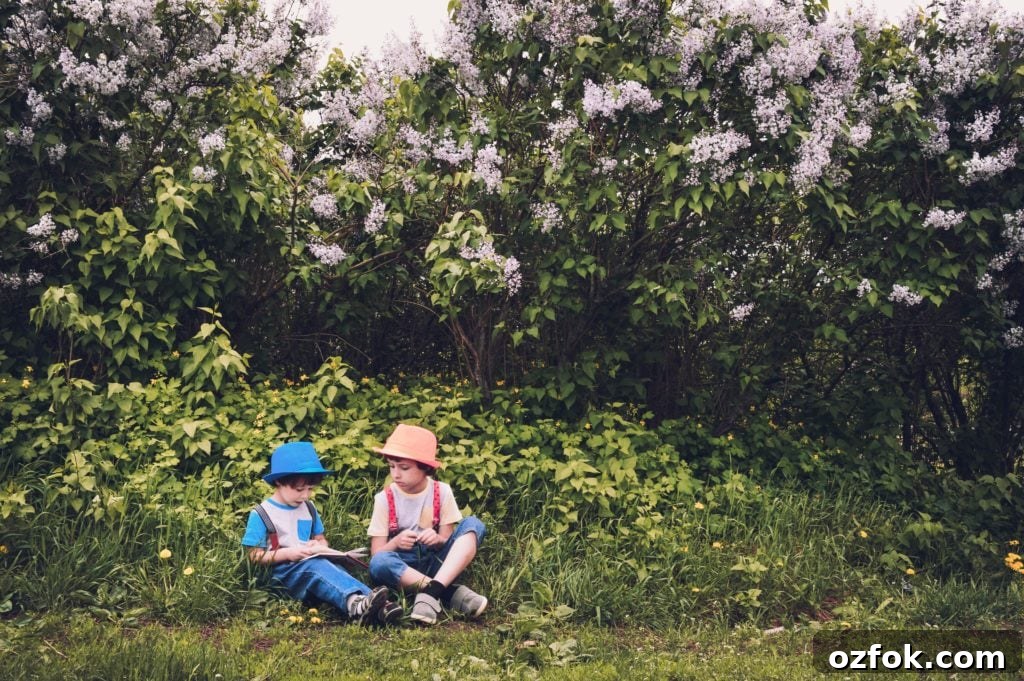
Show children how to “draw” using natural materials. Create outlines with sticks and twigs, then fill them with colorful leaves, flowers, seeds, pebbles, and bark. This activity teaches color, texture, and composition while encouraging sensory exploration.
Natural Playground Ideas FAQs
How do you build a natural playground?
Start by choosing a safe, accessible location. Select natural elements and repurposed materials that match the play experiences you want to offer. Prioritize soft landing surfaces, clear sightlines for supervision, and age-appropriate challenges. Invite children to participate in planning and building whenever possible.
What materials do you need to build a nature playground?
Materials vary depending on your vision but usually include landscape features like trees, logs, rocks, and water elements, plus repurposed items such as wooden crates, ropes, buckets, and thrifted furniture. Non-toxic play sand, native plants, and movable loose parts help extend play options.
More Guides for Summer Fun in the Sun
- Non-toxic play sand options
- Choices for safer kiddie pools
- Best non-toxic popsicle molds
- How to find a safer garden hose
- Outdoor dinnerware for picnics and barbecues
- Less toxic outdoor furniture options
Final Thoughts on a DIY Playground
Kids are naturally drawn to the outdoors. A thoughtfully designed natural playground gives them the freedom to explore, invent, and learn while providing physical, social, and emotional benefits. Start small, prioritize safety, and let children’s curiosity guide the play space you create together.