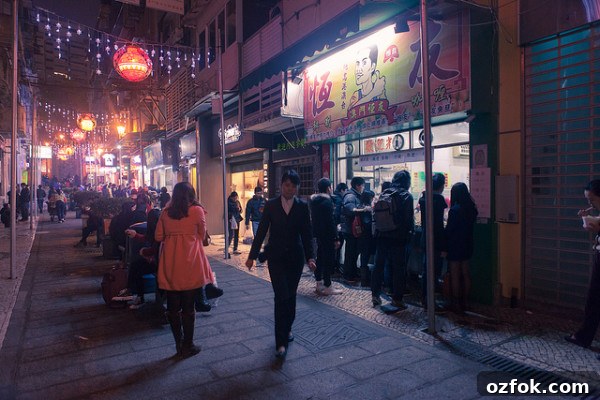
Exploring Asian cities often means you will be hungry more frequently than usual. The streets are filled with tempting aromas, and choosing what to try next becomes part of the adventure. If you are dieting, be prepared to resist — but food lovers will find it hard to pass up the wide variety of street offerings.
Asian cities are home to some of the world’s best street food. You don’t need to sit in formal restaurants to enjoy outstanding dishes. Cities like Bangkok, Hanoi, Singapore and Shanghai reward those who wander the streets and sample food from local stall chefs.
Forget the menu
Most street vendors don’t display a formal menu. A practical approach is to see what local customers are ordering, pick what looks appealing, and point at it. If many locals are eating the same dish, it’s usually a safe bet — freshness and flavor are often proven by popularity.
Be adventurous
Some ingredients that seem unusual to Western palates are common in Asia. In Thailand you can find insects such as grasshoppers and even scorpions prepared as snacks. For a truly distinctive taste, try dishes like larb mote daeng, made with red ants and their eggs, or other regional specialties. Don’t limit yourself to familiar fried rice or noodle dishes — seek out the exotic and be willing to try something new.
Bangkok
In Thailand, people often eat several small meals throughout the day, and street food reflects that habit. Pad see ew — stir-fried wide rice noodles with broccoli and dark soy sauce — is a common comfort food. Moo ping, grilled pork skewers served with sticky rice, is another widely enjoyed street snack that’s flavorful and filling.
Hanoi
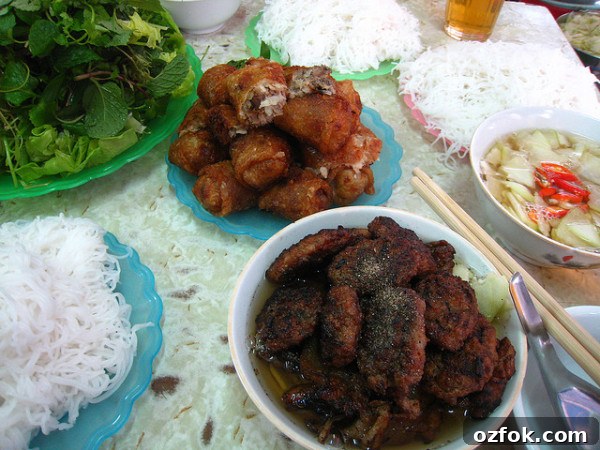
Hanoi has given the world many beloved Vietnamese dishes. Bun cha is a local favorite: slices of pork belly and seasoned patties grilled over charcoal and served with vinegar, fish sauce, lime, and often accompanied by a deep-fried spring roll. The balance of smoky, salty, sour, and sweet flavors makes it a staple of Hanoi street cuisine.
Singapore
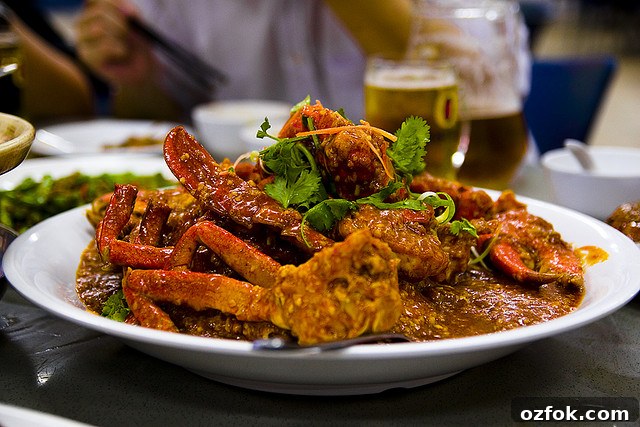
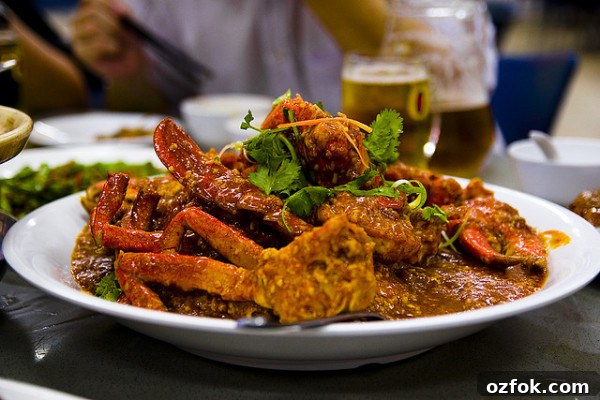
Singapore’s food scene blends Indian, Malay, and Chinese culinary traditions. Much of the street food is sold in regulated hawker centers, which offer a wide range of safe, high-quality dishes. Signature items include chili crab — steamed crab in a tangy tomato-and-chili sauce — and kaya toast, a sweet coconut-and-egg jam spread served with butter and coffee or tea for a classic local breakfast.
Shanghai
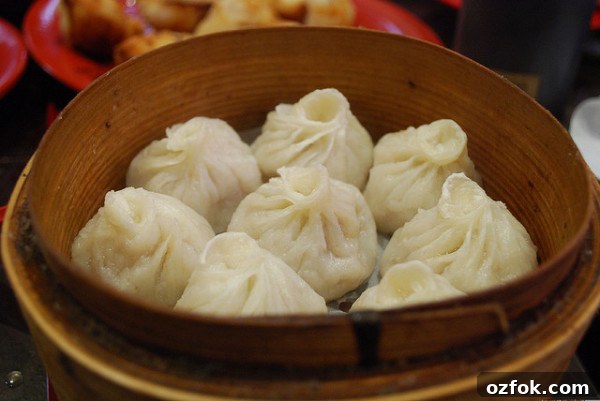
Shanghai’s dim sum and steamed-bun tradition is a highlight of Chinese street and market food. Xiaolongbao, or “small basket buns,” are thin-skinned steamed dumplings filled with seasoned pork and a rich, gelatinized meat broth that melts into soup when steamed. These savory buns are enjoyed by people from all walks of life across the city and are celebrated for their delicate texture and concentrated flavor.
Getting there
Traveling to Asia doesn’t have to be prohibitively expensive. Many airlines and travel providers offer competitive fares, making it easier to plan a trip focused on cuisine. Whether you’re sampling hawker food in Singapore, savoring grilled specialties in Hanoi, or tasting noodles in Bangkok, a food-focused trip delivers rich cultural experiences along with unforgettable flavors.
Photo credits: 1, 2, 3, 4, 5