Welcome to The Storied Recipe, a podcast about food, culture, and love.
This traditional Shakshuka recipe comes from health expert and podcast guest Jordan Syatt. He first tasted it on a group hike in the Negev Desert and later adapted it as a practical, high-protein meal he could make for himself in a tiny New York City apartment. This single-serve Shakshuka is packed with vitamins, fiber, and satisfying protein—ideal for anyone who wants a nutritious, flavorful meal with minimal fuss. As you read through the recipe, think of it as a versatile template: scale it up for guests or keep it simple for one. Shakshuka’s bold tomato sauce, fragrant spices, and gently poached eggs make it a perfect dish for breakfast, lunch, or dinner.
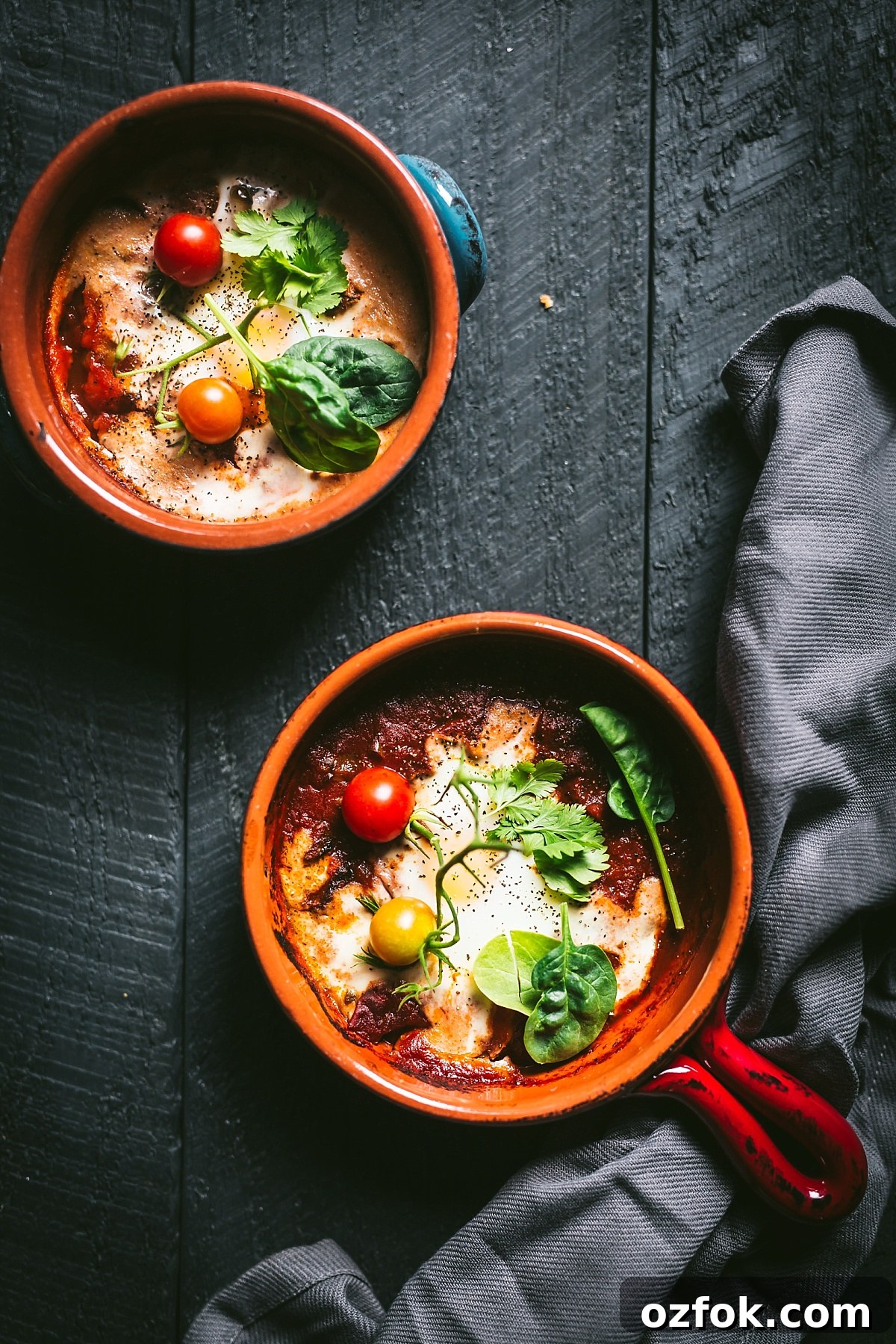
Shakshuka is enjoyed across North Africa, the Middle East, and the Mediterranean. Its appeal is obvious: eggs poached in a rich tomato-and-pepper sauce, simmered in olive oil and brightened with herbs and salty feta. The dish is quick, nourishing, and adaptable—use fresh or canned tomatoes, add greens, or vary the spice profile to match your pantry and taste.
Jordan Syatt’s version emphasizes whole-food ingredients and balanced macros, making it an excellent choice for people building muscle, maintaining energy, or simply enjoying a healthy meal. The recipe below describes the components, ingredients, and steps for making a satisfying Shakshuka for one, along with tips for variation, storage, and food safety.

Listen to Jordan’s Story
Jordan Syatt is a strength and fitness coach who blends common sense with a love for real food. He shares memories from childhood and stories from his trips to Israel, reflecting on how personal challenges shaped his approach to business and wellbeing. His perspective helps reconcile the tension many Americans feel between enjoying food and staying healthy—offering a reminder that nourishing meals can also be joyful and culturally rich.
Ingredients
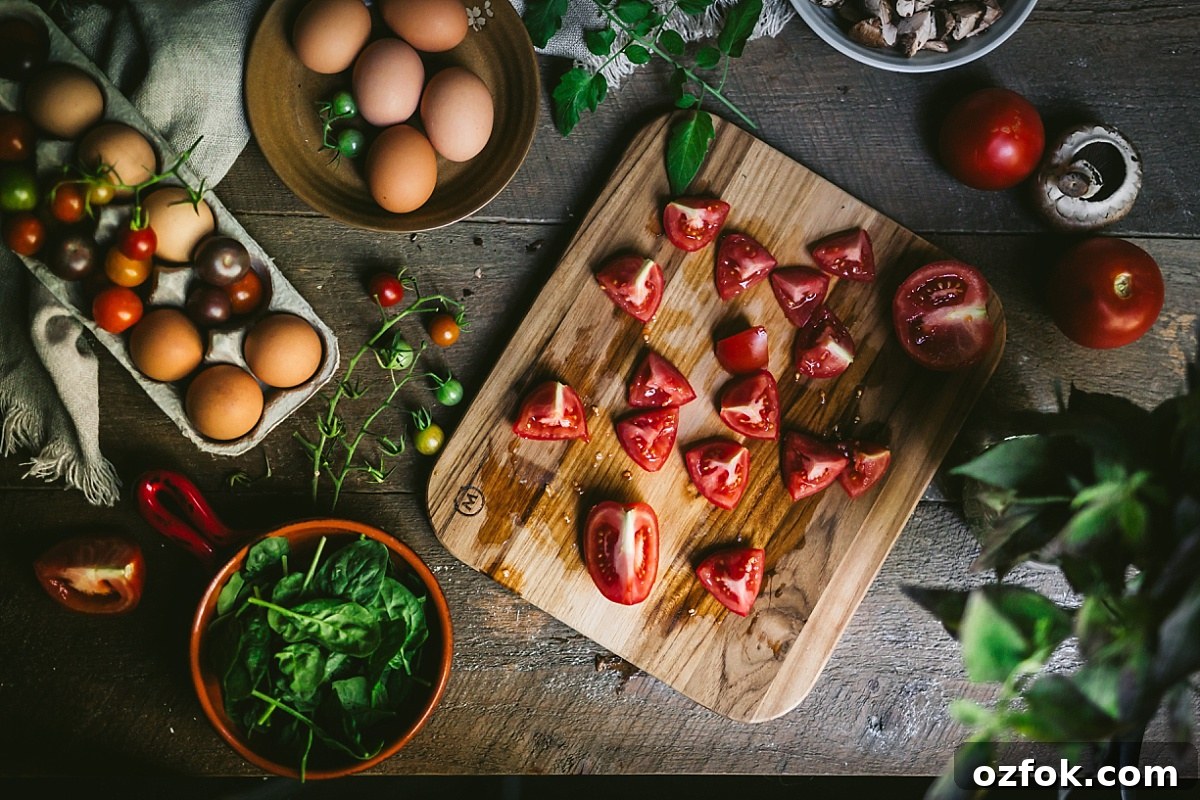
A good pan of Shakshuka has four fundamental elements: tomatoes, vegetables, spices, and eggs. Each element can be customized to your preferences, but the balance between savory tomato sauce, aromatic spices, and perfectly cooked eggs is what makes the dish sing. Below are considerations and common options for each category.
Fresh or Canned Tomatoes?
- Fresh tomatoes require peeling and longer simmering time, but they often offer brighter flavor and more nutrients.
- Canned whole, crushed, or pureed tomatoes are convenient and yield a rich sauce with less effort. Add a spoonful of tomato paste if you want extra depth.
Eggs
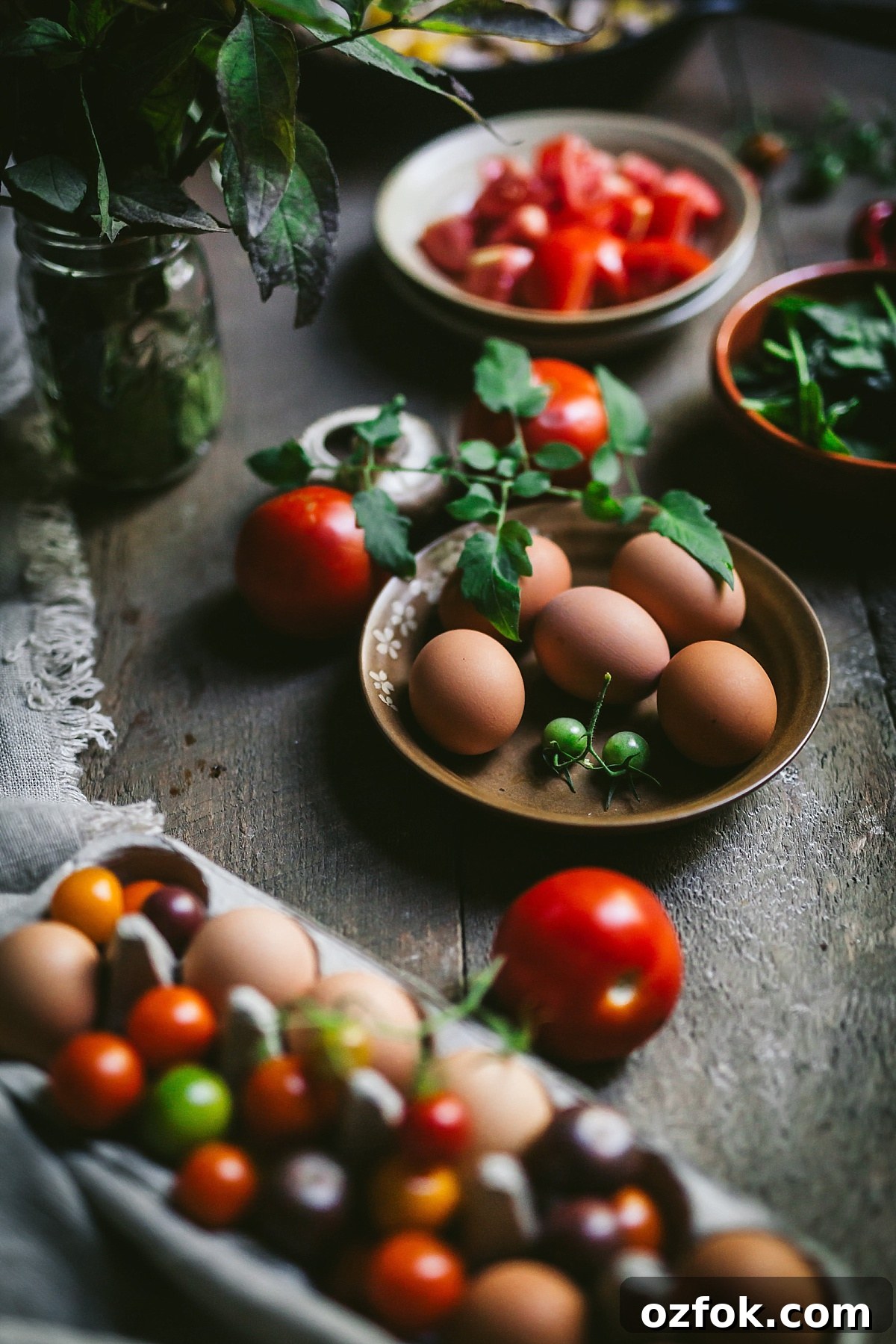
- Eggs are the heart of shakshuka. Poached gently in the simmering sauce, they add protein and richness. Cook to your preferred doneness—runny yolks or fully set.
Spices
- Spices define the regional character. Paprika, red pepper flakes, cumin, and cayenne are common choices.
- Jordan’s version adds Za’atar for an Israeli touch; thyme or oregano can be used if Za’atar isn’t available.
- North African variants sometimes include Ras el Hanout or a hint of honey for complexity.
Fresh Herbs & Greens
Fresh herbs brighten the finished dish and add nutrients. Popular options include:
- Parsley
- Cilantro
- Mint
- Oregano or thyme
- Spinach folded into the sauce for extra texture and vitamins
Vegetables
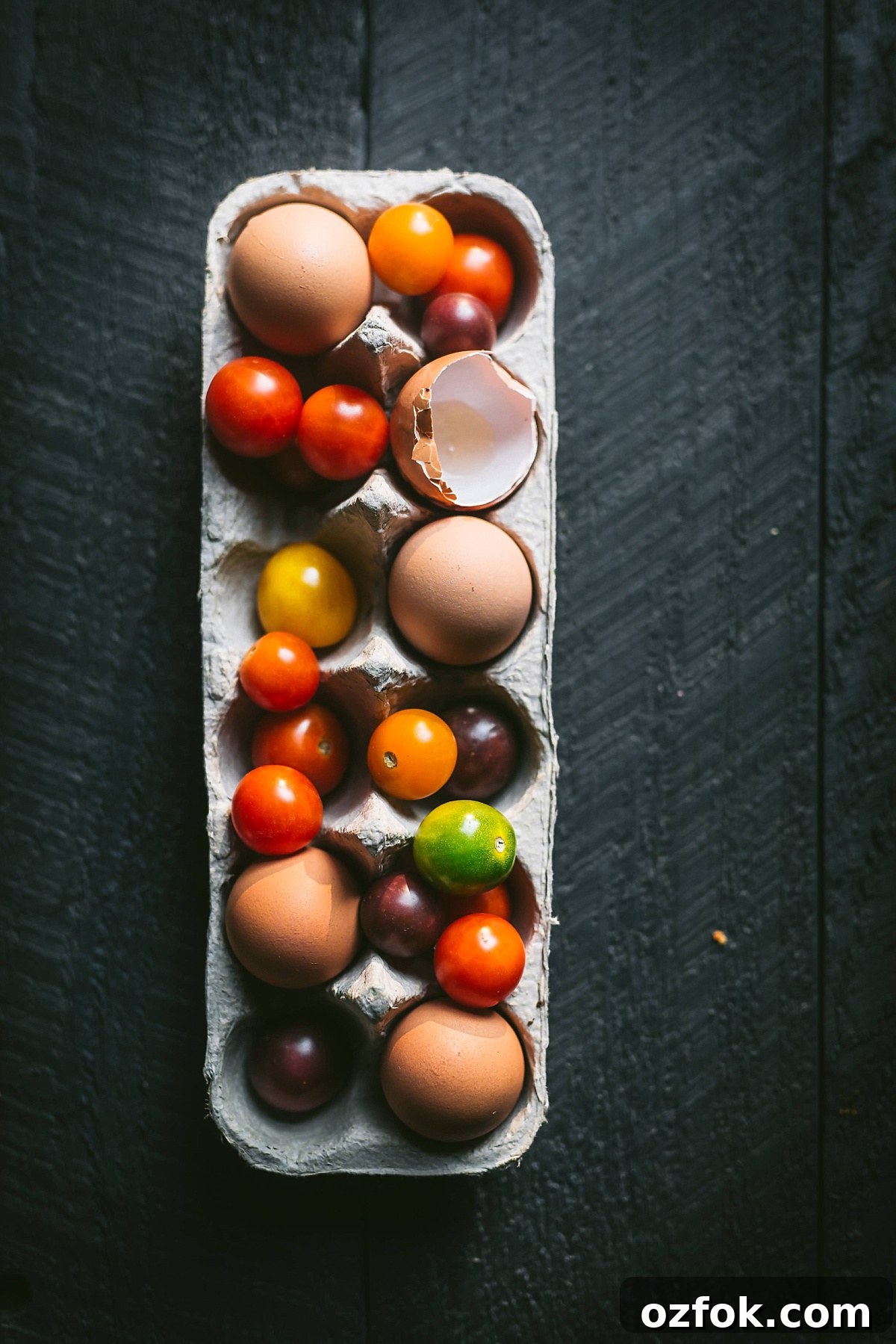
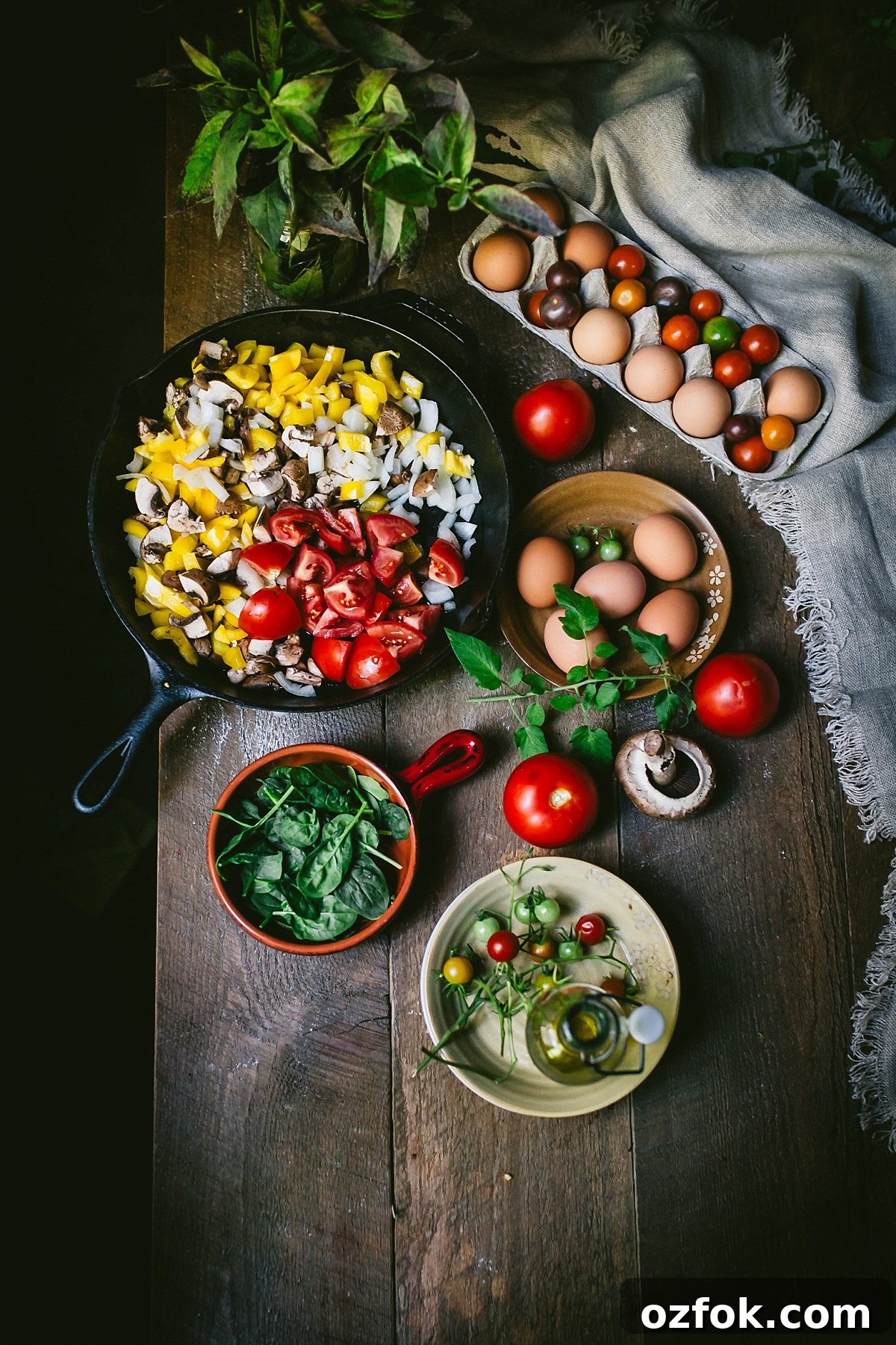
Additions vary by recipe; the most common vegetables used in shakshuka include:
- Red bell pepper
- Mushrooms
- Eggplant (roasted or charred works well)
- Onion and fresh garlic
Optional Toppings
- Feta cheese adds creaminess and salty depth—sprinkle it over the eggs before serving for a Mediterranean flair.
- Olives, pickled onions, or a drizzle of good olive oil are excellent finishing touches.
Steps
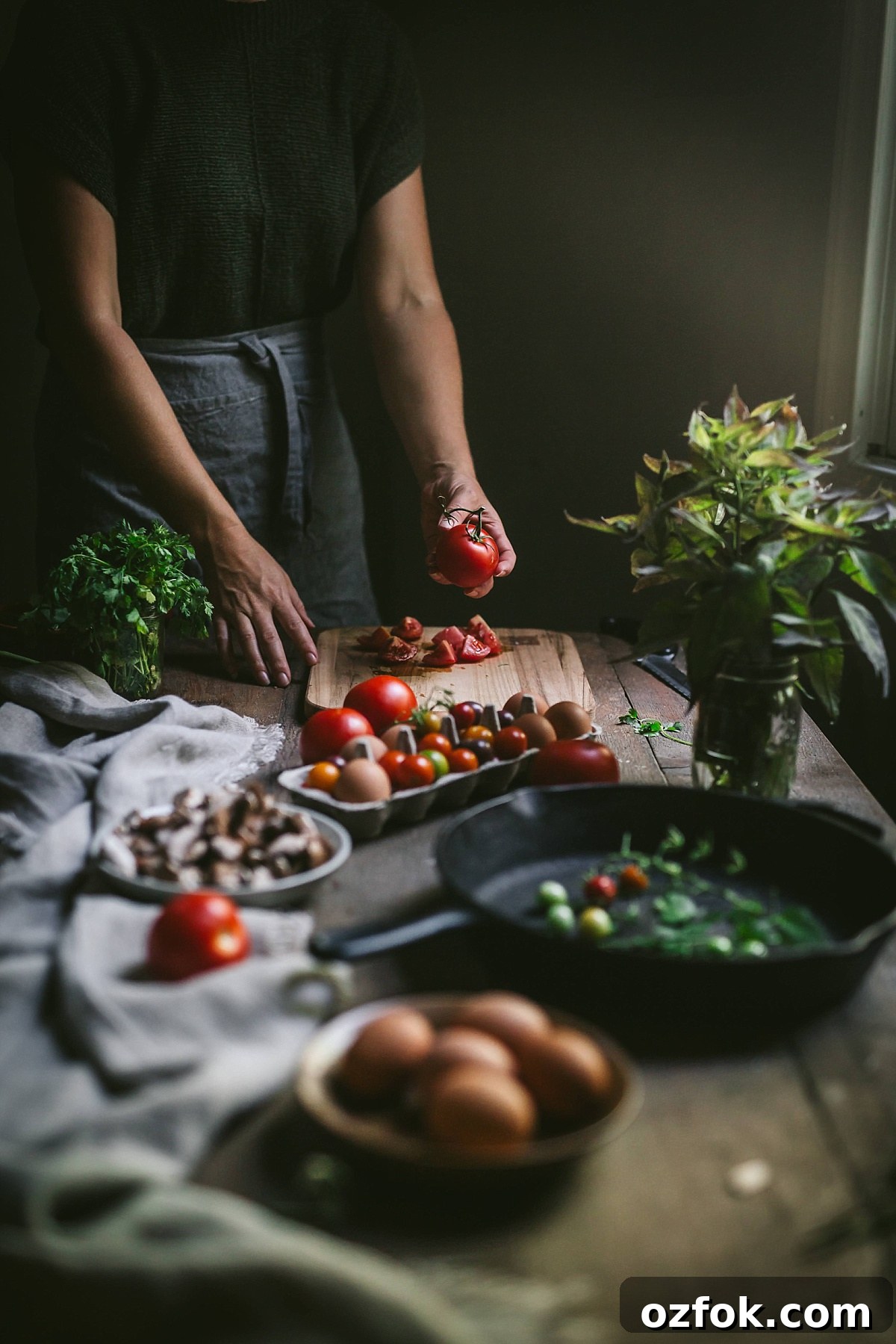
- Sauté onions, peppers, mushrooms, and garlic slowly over medium-low heat until softened and aromatic.
- Add tomatoes (fresh or canned) and the spices, then simmer gently until the sauce thickens. Fresh tomatoes will take longer to break down.
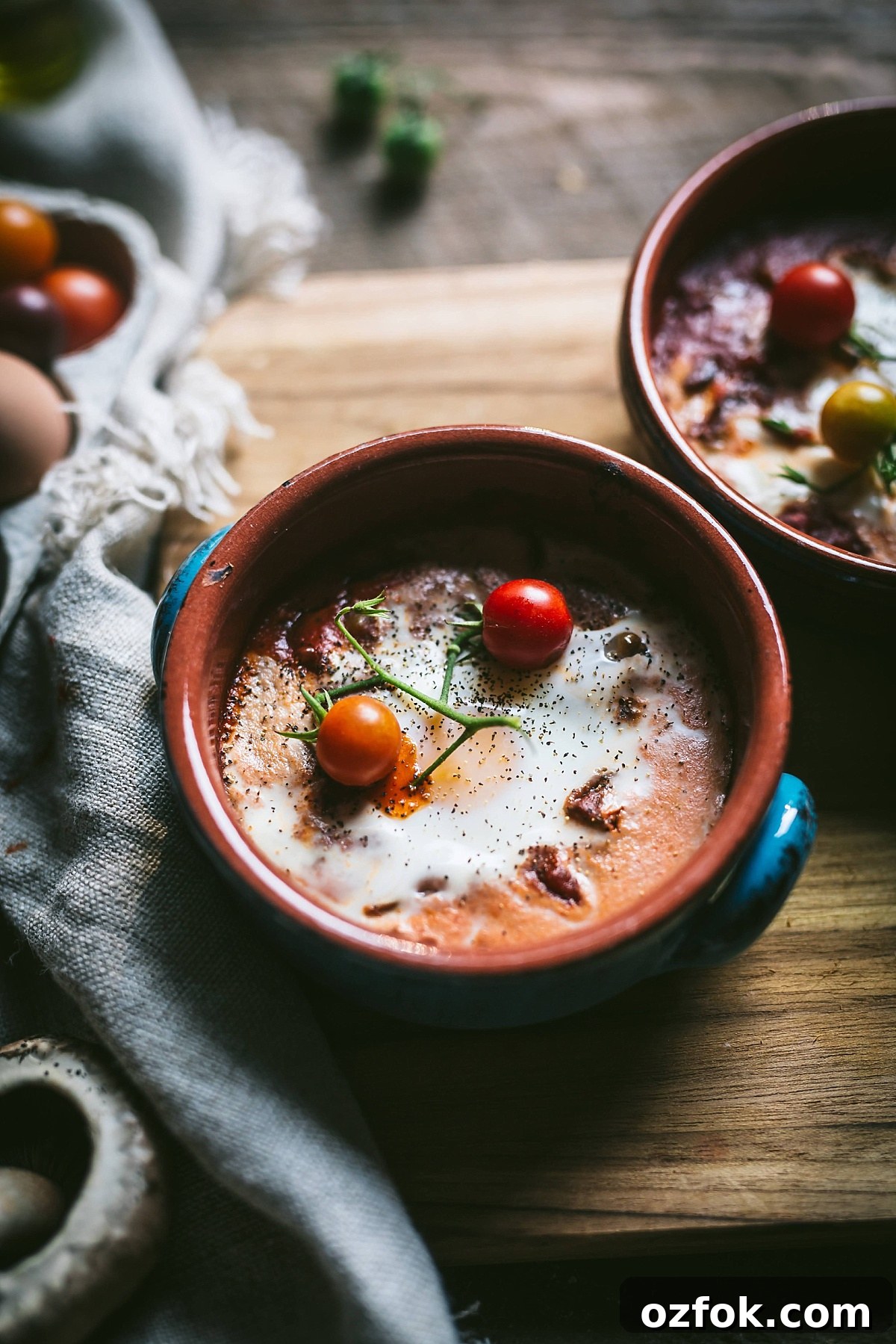
- Use the back of a spoon to make shallow wells in the sauce and crack eggs into each indentation. Cover the pan and poach the eggs until the whites are set and yolks reach your desired doneness.
Cooking Times
- Fresh tomatoes: expect about 20–30 minutes to cook down into a thick sauce.
- Canned or pureed tomatoes: 2–10 minutes to heat and meld with the spices.
- Eggs: 5–7 minutes for runny yolks; 8–10+ minutes for fully set yolks.

Variations
Because shakshuka is prepared across many regions, there are countless variations. Try adding chorizo or merguez for a meaty version, spinach and feta for more greens, or chickpeas for extra fiber. Adjust spices toward Moroccan, Tunisian, or Levantine profiles to explore different flavor traditions.
Equipment
For a single serving, a small ovenproof crock or a small skillet works perfectly. For multiple servings, use a large skillet or a shallow roasting pan. Avoid cast iron if you’re concerned about a metallic note—opt for stainless steel, enameled, or ovenproof ceramic.
If you plan to prep in advance, make the tomato sauce ahead and refrigerate it. Reheat gently before adding eggs. The sauce freezes well and can be thawed and reduced on the stove when you’re ready to eat. Always cook the eggs fresh when serving.
Origins and Shakshuka Around the World Today
The exact origin of shakshuka is debated, but the name—derived from Arabic for “mixture”—reflects its blended ingredients. The dish spread across North Africa, the Levant, and the Mediterranean and was adapted by many communities. Today shakshuka appears on menus worldwide, celebrated for its simplicity, hearty flavors, and cultural roots.
Health Benefits
This Shakshuka balances fresh vegetables and high-quality protein. The tomato-and-pepper sauce provides antioxidants like lycopene, vitamins A and C, potassium, and dietary fiber. Eggs deliver complete protein, essential B vitamins, choline for cognitive health, and nutrients that support muscle repair and satiety. Together, the components form a nutrient-dense, low-calorie meal that supports overall health.
FAQ
Breakfast or Main Dish?
Shakshuka is traditionally served for breakfast in many places, but it works equally well as a main meal at any time of day. Serve with crusty bread, rice, or a simple salad for a complete plate.
Food safety: Are runny eggs safe?
- Freshness: Use fresh eggs from a trusted source to lower risk of contamination.
- Cooking: For safety, cook eggs until the whites are fully set. If runny yolks are preferred, make sure whites reach a safe texture.
- Vulnerable groups: Pregnant people, young children, the elderly, and those with weakened immune systems should avoid undercooked eggs.
- Storage: Refrigerate eggs at or below 40°F (4°C) and follow standard food-safety practices.
Handled and cooked properly, runny eggs can be part of a safe, balanced diet.
Pairing
Shakshuka pairs wonderfully with homemade sourdough, soft flatbreads, or simple greens. A slice of crusty bread helps sop up the sauce, and a light salad adds freshness. For a heartier meal, serve alongside roasted vegetables or a grain like couscous.
-
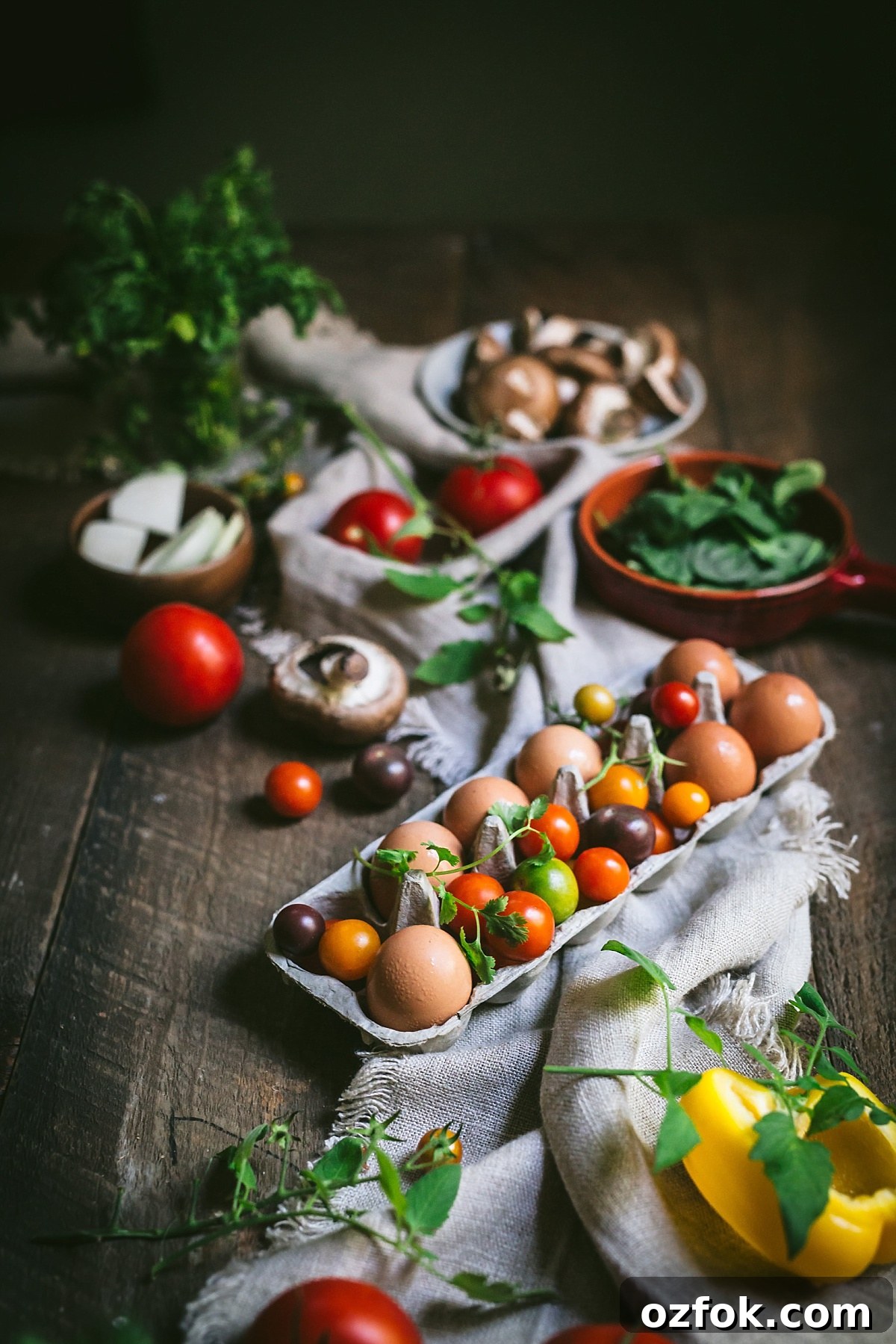
Recipe suggestions and related dishes are pictured for inspiration.
Recipe
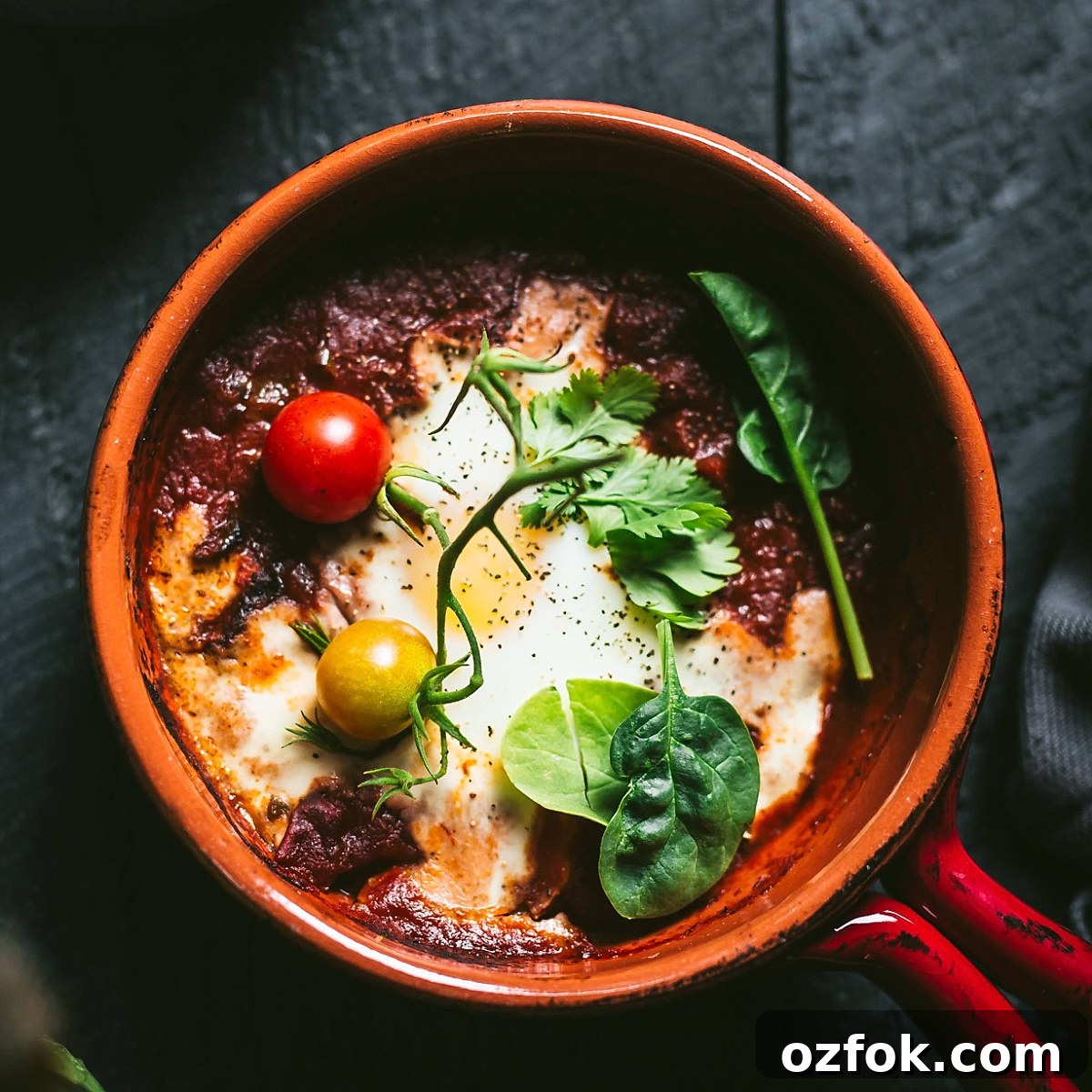
Traditional Shakshuka Recipe for One
- Total Time: 25 minutes
- Yield: 1 serving
Description
A traditional Shakshuka for one inspired by Jordan Syatt’s Negev Desert moment and adapted for simple, nourishing home cooking. It’s an easy, balanced meal you can personalize with your favorite vegetables, spices, and toppings.
Ingredients (for one)
Vegetables
- ½ onion, thinly sliced
- 1 red bell pepper, diced
- 8 oz mushrooms, sliced (optional)
- 2 garlic cloves, chopped
Tomatoes
- 14 oz fresh tomatoes, chopped, or
- One 14 oz can whole or crushed tomatoes, or
- Pureed tomatoes or a smooth tomato sauce
Spices
- ¾ tsp salt
- ½ tsp black pepper
- ½ tsp paprika
- 1 tsp garlic powder (omit if using fresh garlic)
- 2 tsp Za’atar (or 1 tsp dried thyme)
- ½ tsp cumin
Greens & Garnishes
- Handful of spinach
- Fresh cilantro, parsley, or mint (about ¼ cup each, optional)
- Feta cheese and olives for topping
Topping
- 1–2 eggs (one per small bowl or two for a larger serving)
Instructions
Prepare the Base
- Sauté the onion, mushrooms, and red pepper over medium-low heat until the onion is soft and translucent. Add garlic and cook for one more minute.
- If using whole tomatoes, chop them roughly and reserve the juices.
- Add the tomatoes and spices, stir, and simmer gently until the sauce thickens. Fresh tomatoes will take longer—around 20–30 minutes—while canned or pureed tomatoes need only a few minutes to come together.
- Taste and adjust salt and pepper as needed.
Finish with Eggs
- Make shallow wells in the sauce and crack eggs into each well.
- Cover the pan and poach on low heat until egg whites are set and yolks reach the desired doneness (about 5–7 minutes for runny yolks).
- If using feta, sprinkle it over the eggs before serving. Top with fresh herbs and a drizzle of olive oil.
Notes
Make the tomato sauce ahead and store it in an airtight container in the refrigerator for 3–5 days, or freeze for longer storage. Reheat and then add the eggs when ready to serve. Avoid cooking eggs until you are ready to eat for best texture and food safety.
- Prep Time: 5 minutes
- Cook Time: 20 minutes
- Category: Breakfast, Main
- Cuisine: Israeli, Middle Eastern, North African
Nutrition (approx.)
- Calories: 177
- Sugar: 18 g
- Sodium: 1.8 g
- Fat: 2 g
- Saturated Fat: 0.4 g
- Carbohydrates: 35 g
- Fiber: 10 g
- Protein: 13 g