We sometimes link to products sold by vendors to help readers find relevant items. Some links may be affiliate-based, meaning we earn a small commission (at no extra cost to you) if a purchase is made.
If you’re ready to dive into bread baking but your kitchen needs a little upgrading, this guide will help you choose the right tools to get started and grow your skills.
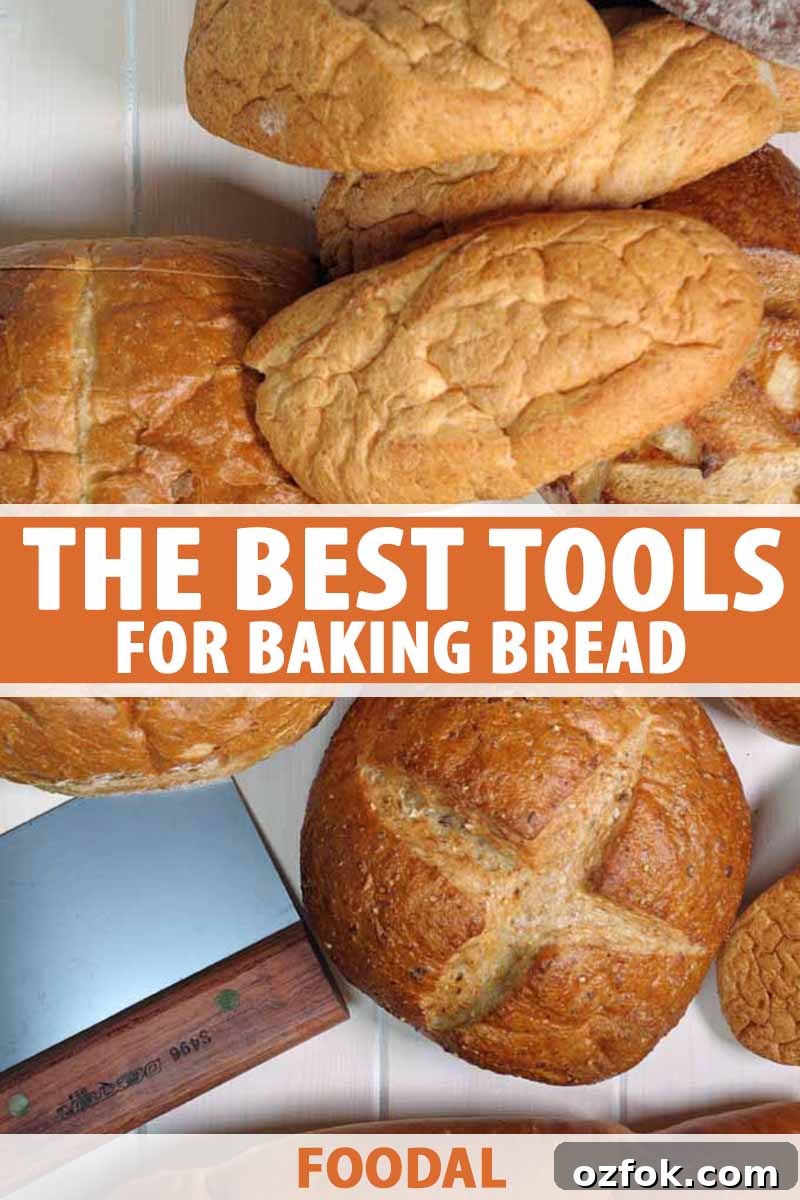
Baking great bread at home can feel intimidating, especially when you’re not sure which tools are essential and which are optional. This article breaks down the core items every home baker should own, plus a handful of helpful luxuries that make the process easier and more enjoyable.
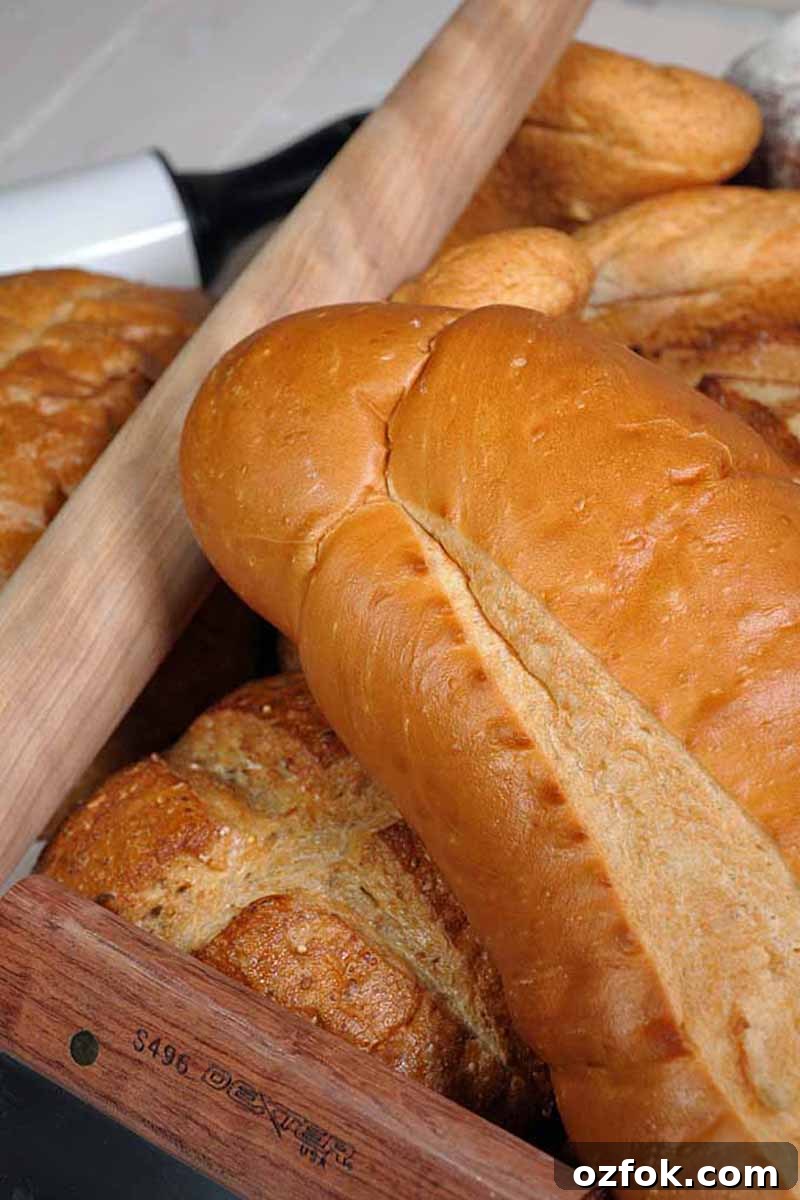
Most of these tools pull double duty in the kitchen and will be useful for many recipes beyond bread. Here are the must-haves and recommended extras to help you bake consistently better loaves.
Top Tools for Baking Bread
- Necessities
-
- Bowl Scraper
- Bench Knife
- Silicone Mat
- Loaf Pans
- Thermometer
- Scale
- Really Helpful Luxuries
-
- Lame
- Baker’s Baskets: Brotform and Banneton
- Dutch Oven
- Bread Knife
- Pastry Board
Necessities
These are the basic tools that will make bread baking reliable and repeatable. They’re inexpensive, versatile, and useful from your very first loaf.
1. Bowl Scraper
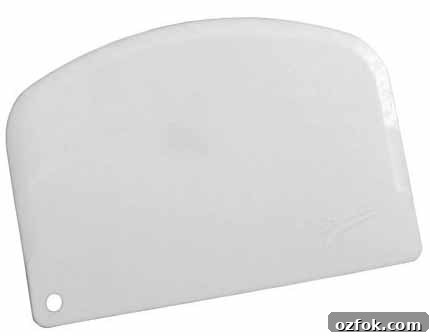
A bowl scraper is an indispensable tool for bakers. It clears bowls clean, helps manipulate sticky dough, and acts as an extension of your hand during kneading and folding. The rectangular scrapers with one rounded edge work especially well: the curved side clears bowls while the straight edge cleans corners.
Use a scraper for spreading, scraping batter, shaping dough, and even cake frosting. They’re inexpensive and durable, so keeping several on hand is a smart move.
2. Bench Knife
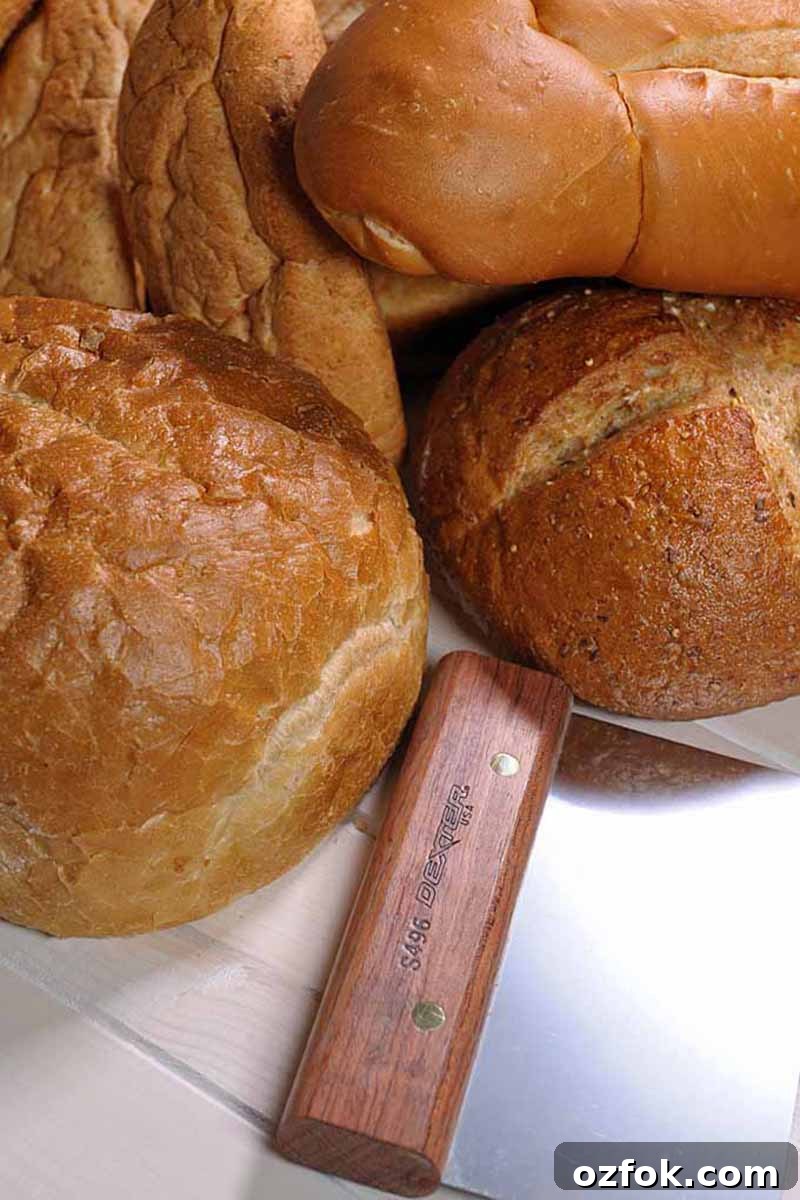
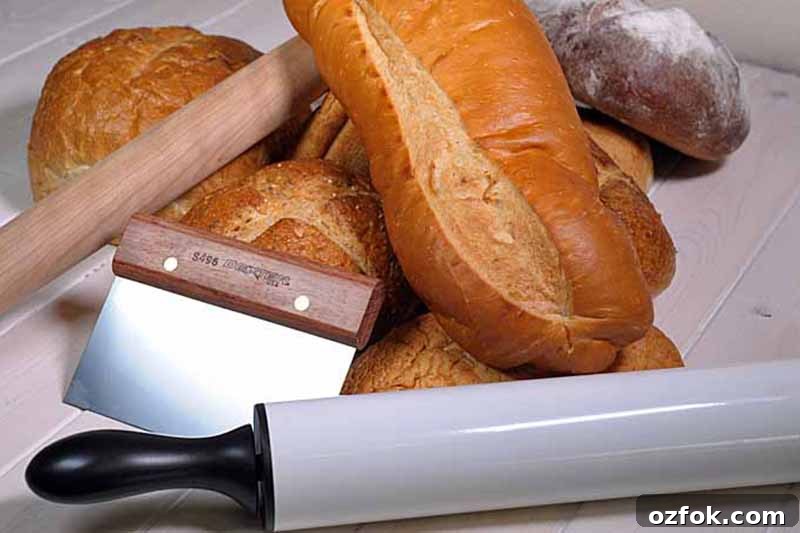
A bench knife (or dough scraper with a handle) is another multi-purpose essential. Its dull, rectangular blade with a sturdy handle is perfect for portioning dough, transferring ingredients, scraping work surfaces, and cutting through dough cleanly without stretching the gluten.
A wooden-handled model offers a comfortable grip and durability. It protects counters while providing strong leverage for a variety of tasks.
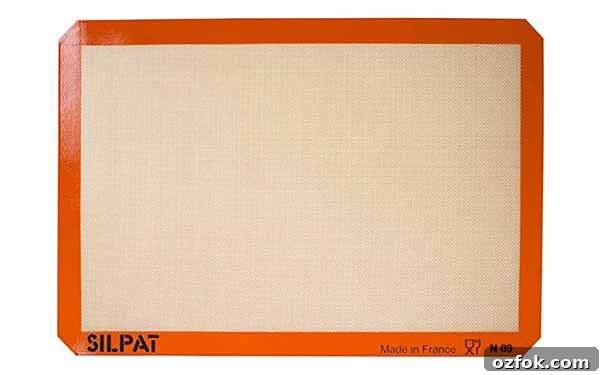
3. Silicone Mat
Silicone baking mats are reusable, easy to clean, and prevent sticking on sheet pans. They’re ideal for free-form loaves, rolls, cookies, and any recipe where you’d otherwise use parchment. They also handle caramelized sugars and sticky bits much better than metal trays.
The classic Silpat-style mat fits standard half- and full-sheet pans and saves time and waste compared with single-use parchment.
4. Loaf Pans
For sandwich loaves and quick breads (banana, zucchini, etc.), a sturdy loaf pan is essential. Choose aluminized steel or similar pans that won’t warp at high temperatures and that conduct heat evenly. They’re affordable, long-lasting, and deliver consistent results.
5. Thermometer
An instant-read digital thermometer helps you avoid underbaked centers and verifies doneness without cutting into the loaf. It’s also useful for checking water temperature when activating yeast and for gauging dough temperature during fermentation.
Look for a fast, waterproof probe with a clear display and a probe long enough to reach the loaf center when necessary. A good thermometer will be useful across many cooking tasks beyond bread.
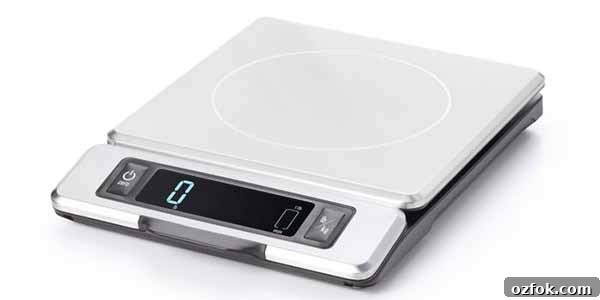
6. Scale
A reliable kitchen scale is one of the best investments a baker can make. Weighed measurements are far more consistent than volume measures, and a scale makes portioning dough and scaling recipes much easier. Choose a digital model with good sensitivity and a tare/zero function for accurate results.
A model with a pull-out or easily readable display is convenient when using large mixing bowls. Spending a little more for quality will pay off: cheap scales can lose calibration and lack precision at small weights.
Really Helpful Luxuries
Once you’ve covered the essentials, these additional tools bring more precision, consistency, and presentation to your baking.
7. Lame
A lame is a scoring tool that holds a razor blade for precise slashes on proofed loaves. Scoring controls how a loaf expands in the oven and can create attractive patterns. When you’re ready to refine your presentation and oven spring, a lame with replaceable blades is a worthwhile purchase.
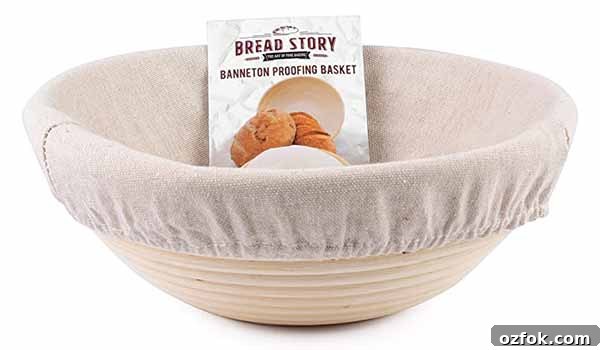
8. Baker’s Baskets: Brotform and Banneton
Proofing baskets (brotform or banneton) support the dough during its final rise and create the characteristic flour-ringed surface on artisan loaves. They come in round and oval shapes and are especially helpful for boules and batards. A floured towel or colander can substitute when you’re starting out, but a proper basket is a nice upgrade once you’re baking regularly.
9. Dutch Oven
A covered Dutch oven traps steam and maintains high heat around the loaf, mimicking a professional deck oven. That steam aids crust formation and oven spring. For home bakers, a 5–7 quart enameled cast-iron Dutch oven is a versatile choice that also works for stews, braises, and more. If you’re not ready to invest, a baking stone or creating steam with a tray and water also helps.
10. Bread Knife
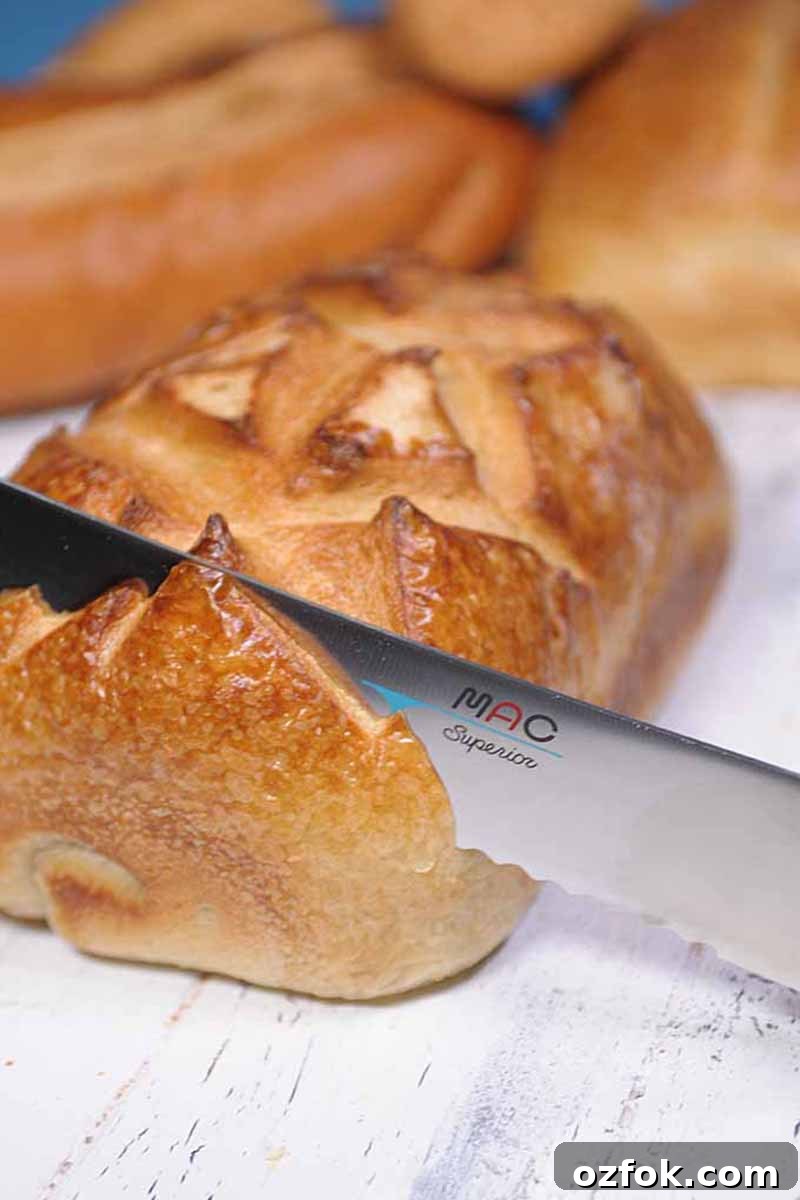
A sharp serrated bread knife slices cleanly through crusty and tender loaves without crushing them. A well-made bread knife holds an edge and gives clean presentation for sandwiches, loaves, and cakes. Choose a length and handle style that feels comfortable and gives knuckle clearance while slicing.
11. Pastry Board
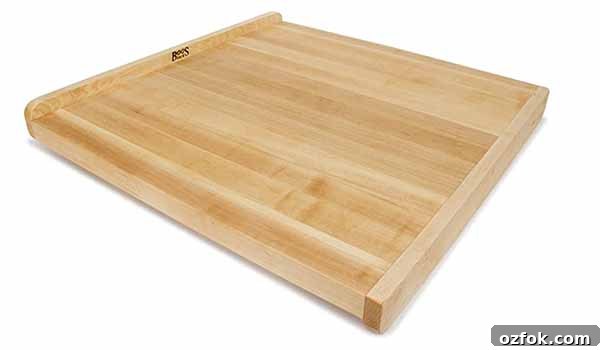
A dedicated pastry board gives you a stable, movable surface for rolling and shaping dough. Wooden boards are preferred because they’re gentle on knives and durable; many models are reversible so one side can be used for rolling and the other for cutting. A thicker, well-made board resists warping and provides the best working surface.
Now Put Them to Use!
With these essentials and a few select luxuries, you’ll be ready to tackle a wide range of bread recipes. Start with the basics, practice shaping and scoring, and add tools as your skills and interests expand.
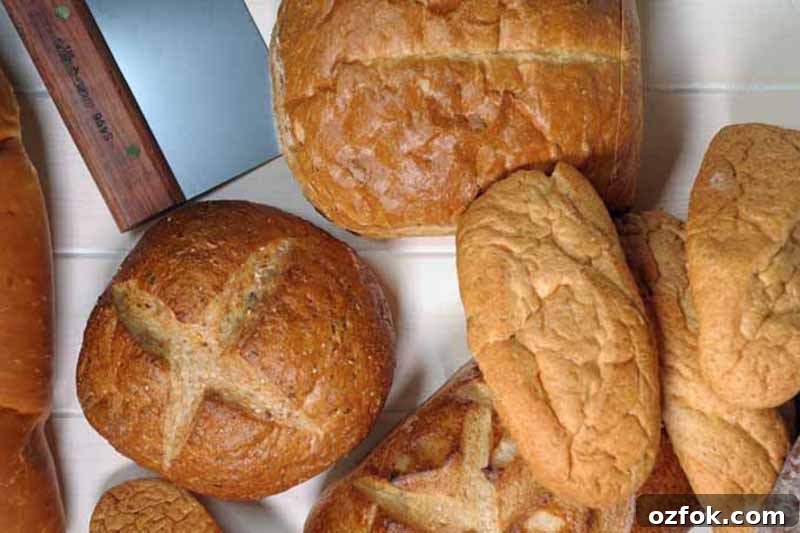
Curious to try new recipes? Explore articles on sourdough, brioche, enriched doughs, and rustic breads to keep advancing your craft. What are your favorite tools for baking at home? Share your experiences and tips to help others get started.
Photos by Mike Quinn. ALL RIGHTS RESERVED. Product photos shown for illustration. Originally published in 2016 and updated with additional editing.