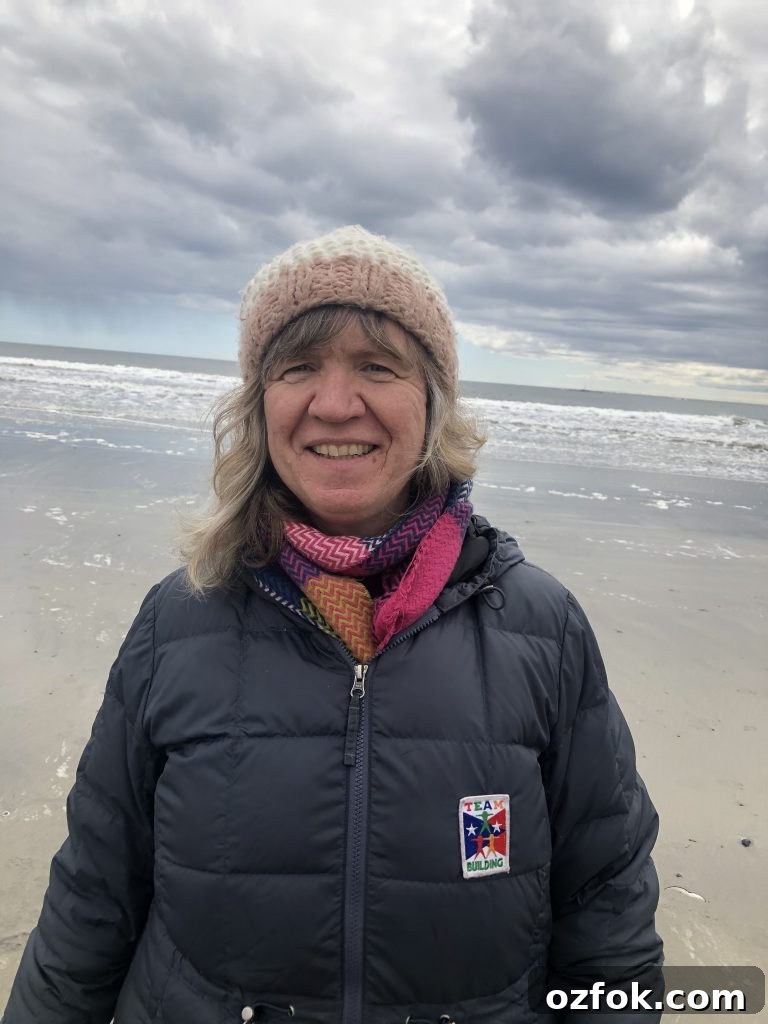
Mary Emerson has served as the school nutrition director at Westbrook for more than four years. She secured a $26,000 No Kid Hungry grant that supported distribution of remote school lunches during the pandemic and helped fund a program to introduce culturally diverse foods into the school meal program.
What was the inspiration/motivation for this culturally relevant food project and how did you find the funds to support this project?
Westbrook is a culturally diverse community. About one in five students identify as English Language Learners. I wanted our meal program to better reflect the cultural backgrounds of our students, but our staff’s training and experience had been rooted in traditional school nutrition offerings, so we lacked the skills and knowledge to prepare authentic meals from other cultures. In late spring 2020, as remote learning increased, we also needed resources to deliver meals to students learning from home. The No Kid Hungry grant presented an opportunity to address both food access and staff training. It funded meal delivery for remote learners and supported professional development focused on preparing and serving culturally diverse foods. Because the district’s demographic reporting is limited—only indicating Hispanic or non-Hispanic status—I surveyed administrators to estimate the range of cultural backgrounds among students and targeted cuisines that represented larger student groups.
From your perspective as a food service director, why is food an important part of cultural inclusion? For the community and school?
Food brings people together and conveys comfort and belonging. Introducing students to dishes from other cultures can open conversation and curiosity about those cultures. This project supports the district’s diversity, equity, and inclusion goals by using food as an approachable way to foster understanding and respect. We hope students who try and enjoy these meals will carry positive messages into the wider community, helping Westbrook be a welcoming place that honors everyone’s cultural background.
What culture did you hope to reach through this project?
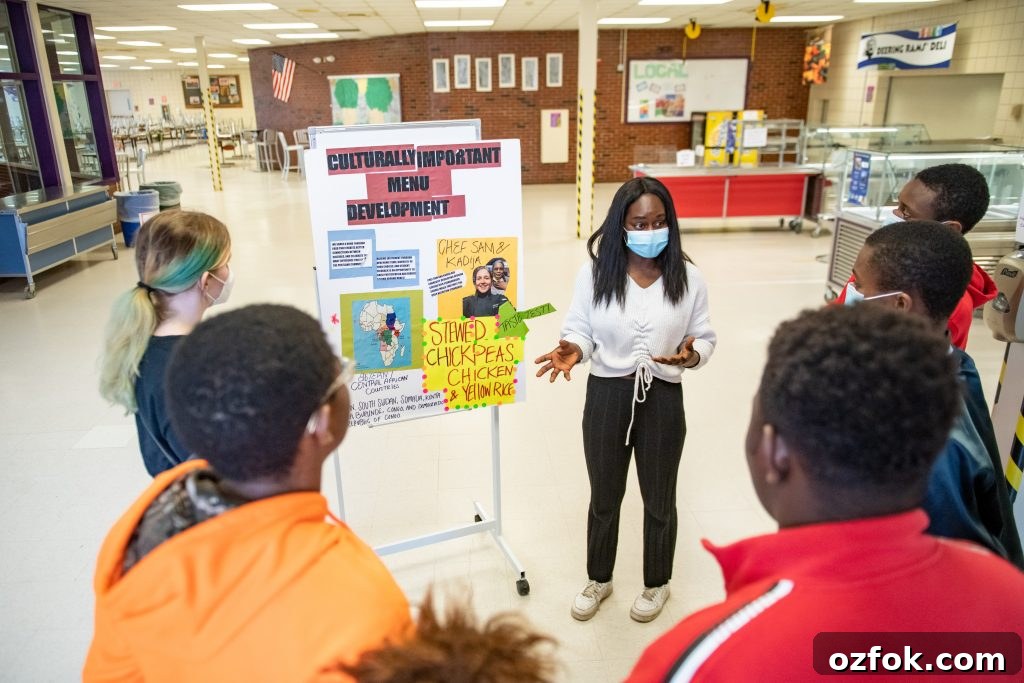
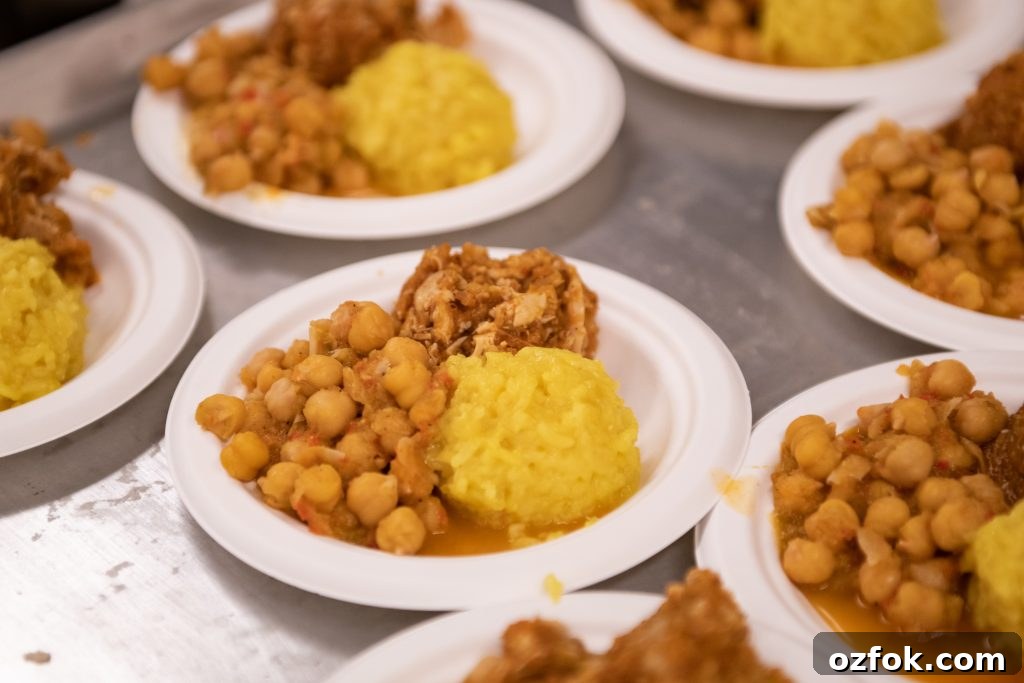
Our intention was to celebrate all cultures, but the initial focus centered on Central African cuisine because our ethnic cook was most familiar with those recipes. We aimed for students with Central African roots to see their food represented and feel more connected to school meals. At the same time, we hoped to encourage other students to try unfamiliar dishes, enjoy them, and become curious about the culture behind the food.
Photos: Kelsey Kobik
What were the hurdles/best parts of this project?
The biggest challenge was finding an ethnic cook who could prepare these dishes at the scale required for school service. The pandemic added unpredictability, with fluctuating participation and changing safety protocols during the grant period. The most rewarding aspect was seeing students try new foods and respond positively, and knowing the work supported both access to meals and broader cultural understanding in the school community.
How did you find time to prioritize this project in the midst of COVID?
This work aligned with our mission to serve students and create an inclusive environment, so it was a priority. The hybrid schedule provided an opportunity: with students attending four days a week and staff schedules adjusted, we could use available staff hours for training and recipe development. That timing allowed us to advance the project while maintaining essential meal service.
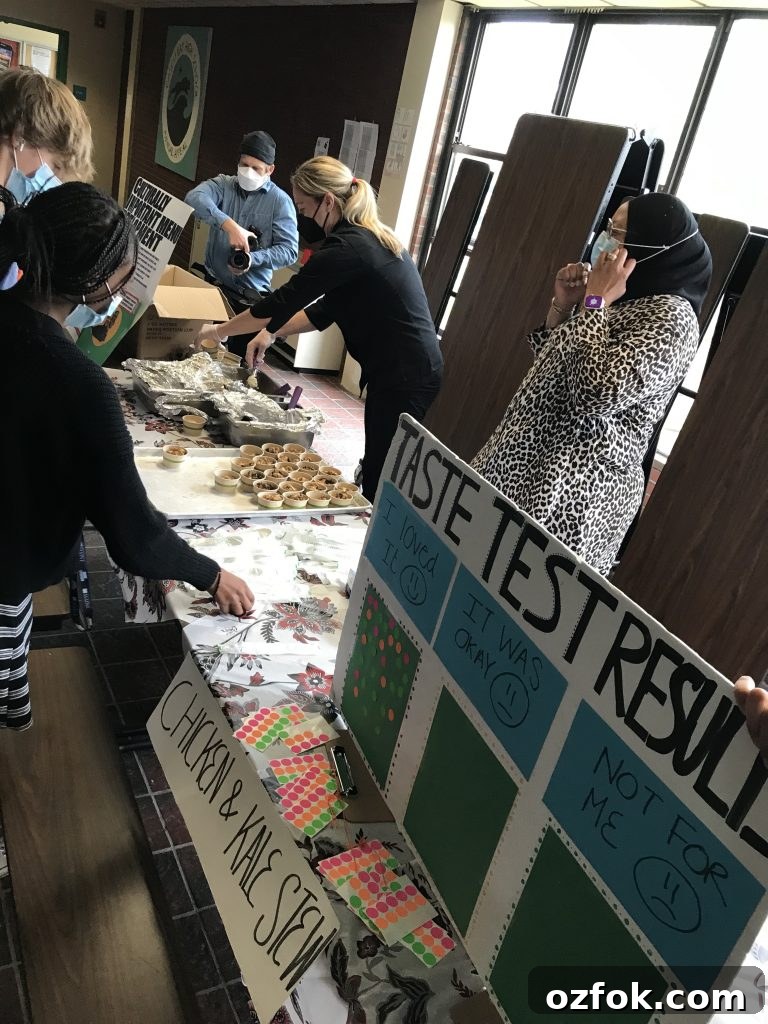
How did you get feedback from students on this project? Were these meals accepted by the students?
We gathered feedback directly from students and teachers. The alternative education program served as a frequent tasting group, and we also conducted a schoolwide food survey on tasting days. Responses were largely positive, with many students offering encouraging comments and showing interest in trying more culturally diverse menu items.