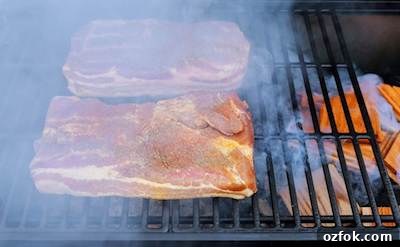
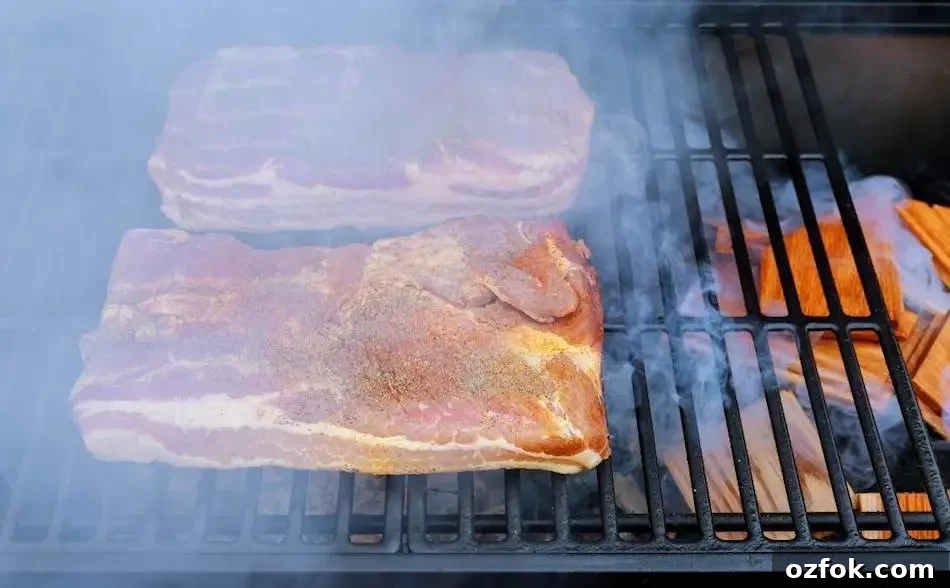
Making bacon at home is rewarding and surprisingly simple when you use a pellet grill. The curing step takes most of the time and attention, but smoking on a pellet grill is straightforward and consistent. This article explains the two main curing methods (wet brine and dry cure), the options for hot and cold smoking, basic safety guidelines, and practical tips for selecting and preparing pork belly. Follow a reputable recipe or curing calculator and take basic food-safety precautions to produce delicious homemade bacon.
Key Points
- Materials: curing salt (Prague Powder #1 or other recommended curing salt), brown sugar, seasonings, distilled water for wet brines, kosher salt, zip-lock bags or a food-grade container, wood pellets, and a reliable thermometer.
- Curing methods: Wet brine: dissolve curing salt and brown sugar in water and submerge the pork belly for 3–5 days. Dry cure: rub curing salt and sugar into the pork belly and refrigerate for about 7 days.
- Smoking: Hot smoke at about 220°F and finish when the pork’s internal temperature reaches 150°F. Cold smoke between 80–100°F for about 6 hours; cold-smoked bacon remains raw and must be cooked before eating.
Curing the Bacon Using Wet Brine or Dry Cure
| Materials | Instructions |
|---|---|
| Curing Method | Choose either wet brine or dry cure based on texture and time preferences. |
| Wet Brine | Mix curing salt, brown sugar, and distilled water in a food-grade container. Submerge the pork belly and refrigerate for 3–5 days. |
| Dry Cure | Rub curing salt and brown sugar over the pork belly, place on a rack or in a sealed bag, and refrigerate for about 7 days, rotating or flipping periodically. |
| Rinse | After curing, rinse the pork belly under cold water and pat dry before smoking. |
Hot Smoked or Cold Smoked Bacon on a Pellet Grill
| Hot Smoking | Set the pellet grill to 220°F and smoke until the internal temperature reaches 150°F. |
| Cold Smoking | Maintain smoker temperature between 80–100°F and smoke for about 6 hours. Cold-smoked bacon must be cooked before serving. |
| Cooking Temperature | Target 150°F internal temperature for hot-smoked bacon. |
| Resting | Allow the pork belly to cool slightly before slicing. |
| Wood Pellets | Hickory, maple or fruit woods work well for bacon. |
Is Making Bacon at Home Safe?
Yes—home-cured and smoked bacon can be safe when you follow standard food-safety practices. Key points:
- Use a thermometer to confirm safe final temperatures. For hot-smoked bacon, a 150°F finish ensures the meat is properly cooked; when cooking slices later, cook to at least 145°F and follow local guidance for safety.
- Keep pork belly chilled throughout the cure and smoking process to limit bacterial growth.
- Use only food-grade wood pellets and avoid chemically treated woods or materials.
- Maintain cleanliness: separate utensils and boards for raw and cooked meat and wash hands frequently.
- Consider a water pan in the smoker to stabilize temperature and preserve moisture during smoking.

The Two Curing Methods
- Wet brining: fast, consistent penetration of curing agents; pork belly soaks in a salted, sugared solution and is then rinsed and dried before smoking.
- Dry curing: a rub of curing salt and flavorings applied directly to the meat; produces a firmer, drier texture and usually requires more time and monitoring.
- Both methods work well when the correct cure amounts are calculated by weight and when food-safety practices are followed.
Wet Brine vs Dry Cure
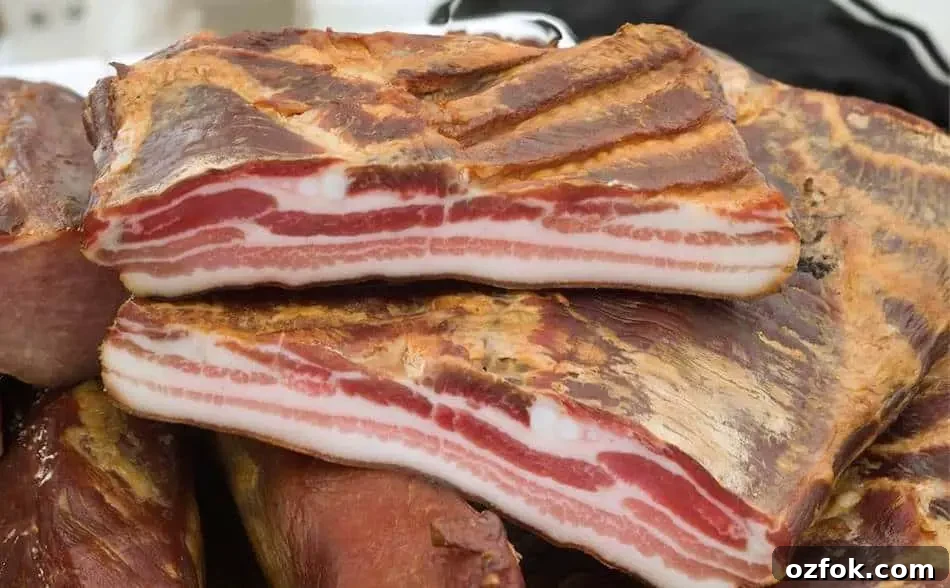
Wet brining is ideal when you want an evenly cured bacon with relatively quick turnaround. It allows flavors to penetrate fully and helps ensure uniform curing. Dry curing is more traditional and produces a denser, chewier texture; it’s excellent if you prefer a firmer bite and more concentrated surface seasoning. Choose the method that suits your taste and schedule, and always measure curing salts by the weight of the meat using a trusted curing calculator.
Curing Without Added Nitrates or Nitrites
Some prefer to avoid added nitrates or nitrites. Prague Powder #1 (sodium nitrite) is commonly used in small, controlled amounts to safely cure and preserve bacon while retaining the classic color and flavor. Natural alternatives like celery juice or powder provide naturally occurring nitrites but can be less predictable, so extra care with curing times and storage is important. Always follow reliable recipes and measure curing agents precisely—improper use can create food-safety risks.
Why Wet Brining Is Often Recommended
- Ensures even distribution of curing agents throughout the pork belly.
- Reduces the chance of undercured spots and helps control bacterial risk when properly refrigerated.
- Easier for beginners to produce consistent results.
Dry curing still produces excellent bacon, but it usually takes longer and requires more frequent attention to ensure the cure is uniform.
A Basic Wet Brine Recipe and Procedure
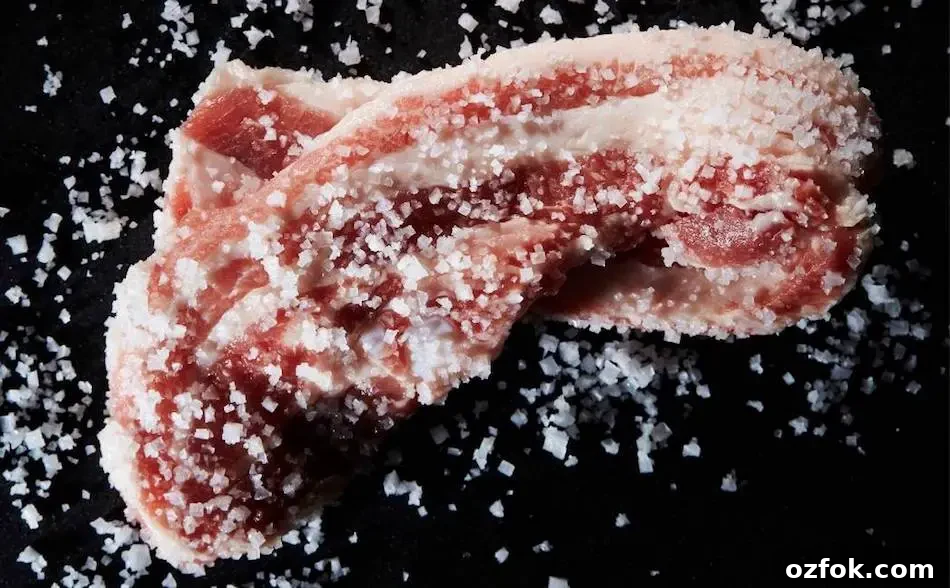
Always calculate ingredient amounts by the pork belly weight. Use a reliable curing calculator to determine exact amounts of curing salt and salt. A general approach:
- Weigh the pork belly.
- Mix curing salt (measured precisely), brown sugar, and distilled water in a food-grade container, adding any desired spices.
- Submerge the pork belly fully, refrigerate, and cure for 3–5 days depending on thickness.
- Remove, rinse under cold water, and pat dry before smoking.
Wet Brine Instructions: Step-by-Step
| Step | Description |
|---|---|
| 1 | Weigh each piece of pork belly to calculate cure amounts. |
| 2 | Gather Prague Powder #1, brown sugar, kosher salt, distilled water and seasonings. |
| 3 | Use a trusted curing calculator to determine quantities by weight. |
| 4 | Mix the brine in a zip-lock bag or food-grade container and add the pork belly. |
| 5 | Refrigerate for 3–5 days, then remove, rinse, and proceed to smoke. |
Dry Cure Method: Outline
Dry curing uses a measured rub of curing salt, sugar, and seasonings gently massaged into the pork belly. Place the meat on a rack or in a sealed bag and refrigerate for about 7–10 days, flipping regularly. After curing, rinse and pat dry before optional additional seasoning and smoking.
| Step | Description |
|---|---|
| 1 | Weigh pork belly and calculate cure amounts using a reliable calculator. |
| 2 | Mix curing salts, brown sugar and kosher salt. |
| 3 | Dry the pork belly, rub the mixture over the surface, and place on a rack or in a sealed bag. |
| 4 | Cure in the refrigerator for 7–10 days, rotating daily. |
| 5 | Rinse, dry, optionally season more, then smoke. |
Hot Smoking Bacon on a Pellet Grill
| Step | Description |
|---|---|
| 1 | Prepare pellets (hickory, maple, or fruit woods), preheat the pellet grill and have cured pork belly ready. |
| 2 | Fill the hopper and preheat to about 230°F. |
| 3 | Place the cold, cured pork belly on the grill and set the controller to 220°F. |
| 4 | Smoke until the internal temperature reaches 150°F (time varies by size). |
Hot smoking at 220°F produces ready-to-eat bacon after it reaches the target internal temperature. Allow the belly to rest before slicing.
Cold Smoking Bacon on a Pellet Grill
Cold smoking imparts smoke flavor without cooking. Keep smoker temps between 80–100°F and smoke for around 6 hours. Because cold-smoked bacon remains raw, it must be cooked before eating. Observe strict temperature control and hygiene when cold smoking.
Selecting Pork Belly
Choose a fresh, whole pork belly with roughly a 50/50 meat-to-fat ratio and about 1.5 inches thickness for even curing and smoking. If a whole belly isn’t available, ask your butcher for a thick-sliced piece suitable for curing. Cut into manageable pieces to fit containers or bags for curing.
To Skin or Not to Skin
Removing the skin (rind) is optional but often recommended. Skin can hinder even cure penetration and reduce smoke contact, which may affect flavor and texture. If you remove it, use a sharp knife and carefully trim the rind away before curing.
Essential Tools for Smoking Bacon on a Pellet Grill
- Pellet grill: reliable temperature control and steady smoke source.
- Meat thermometer: essential for monitoring internal temperature accurately.
- Wood pellets: food-grade hickory, apple, or maple for flavor.
- Water pan: optional but useful to stabilize temps and retain moisture.
- BBQ gloves and tongs: for safe handling.
- Zip-lock bags, racks, or food-grade containers: for curing.
Making bacon at home requires time and care, but with proper measurements, refrigeration, and a good pellet grill you can produce consistently excellent results. Follow trusted recipes and calculators for cure amounts, maintain cleanliness, and always verify temperatures for safety. Enjoy the process and the rich flavor of homemade bacon.