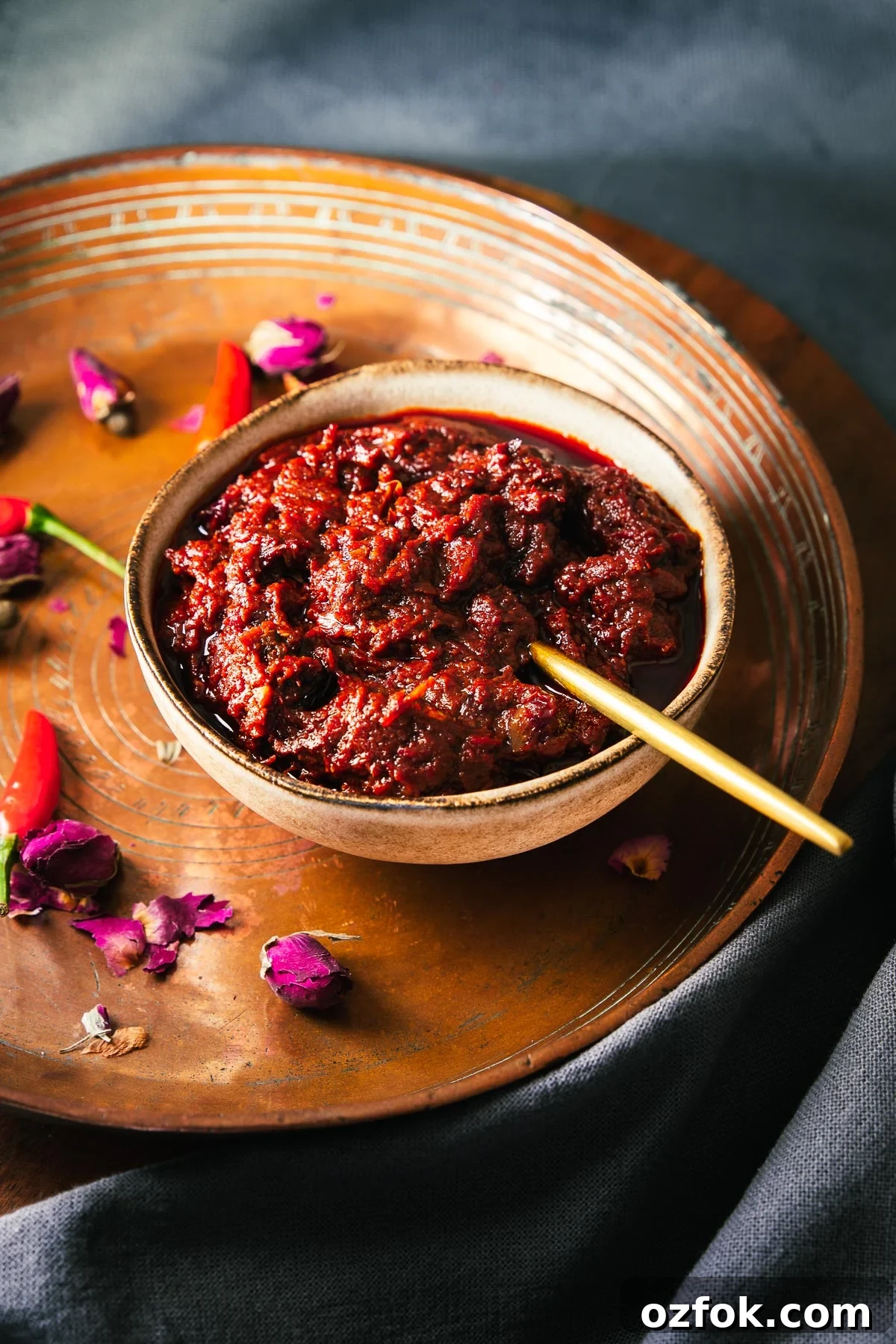
If you love cooking with Middle Eastern flavours or have leafed through Yotam Ottolenghi’s books, you’ve probably seen rose harissa paste listed among ingredients. Depending on where you live, it can be hard to find — but the good news is that rose harissa is straightforward to make at home.
Making your own rose harissa paste is deeply satisfying. Your kitchen fills with the aroma of toasted spices as the mixture reduces to a rich, sweet and spicy paste. A final stir of rose water and dried petals adds a delicate floral note, and you can easily tune the heat to your taste.
Sounds tempting, right?
In this post
- What is rose harissa paste?
- Why you’ll love homemade harissa
- How to make rose harissa (step-by-step)
- Storage
- How to use it
- Rose harissa paste recipe
What is rose harissa paste?
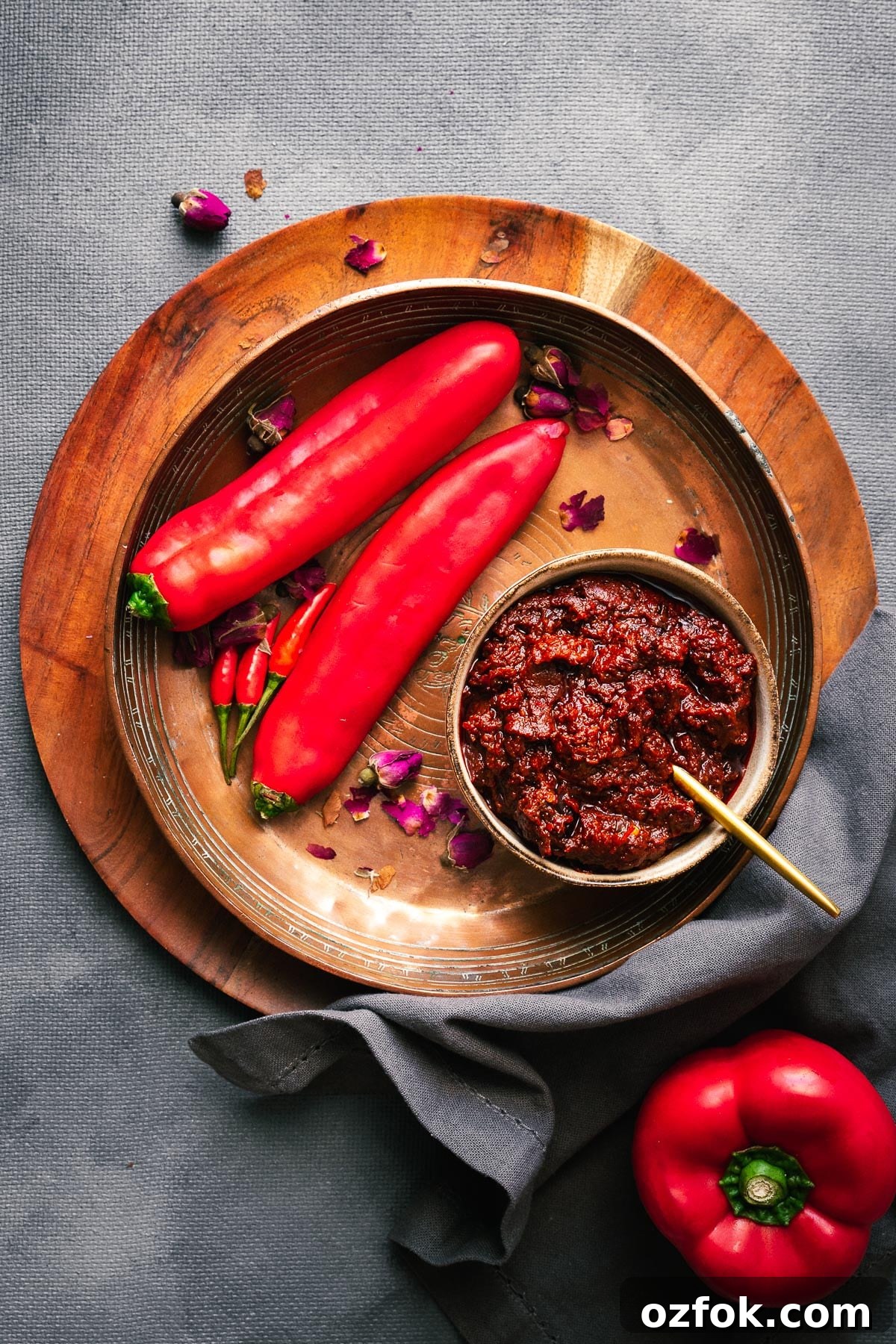
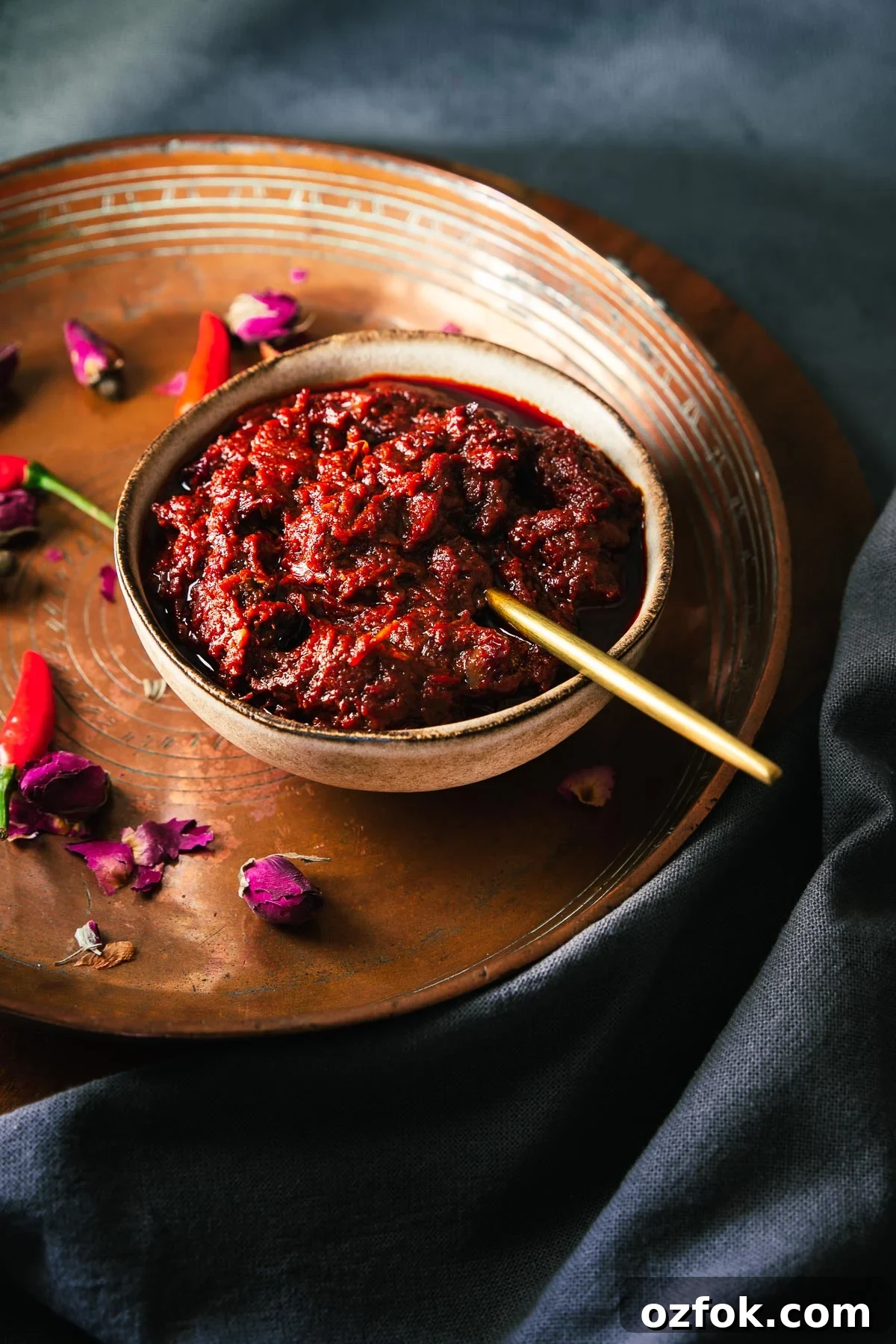
Rose harissa is a hot pepper paste common in Middle Eastern and North African cooking. It combines peppers, spices, garlic, olive oil and either rose water or rose petals. The result is a vibrant red paste that is both spicy and fragrant, with a subtle floral undertone from the rose.
This paste brings depth to soups, stews, sauces and salads. Olive oil both preserves the paste and helps carry its oil-soluble flavours.
Rose harissa vs harissa paste
Traditional harissa and rose harissa share the same foundation: red peppers (fresh or dried), spices, garlic and olive oil, ground to a fragrant paste. Rose harissa differs by the addition of rose water or rose petals, which give it a delicate floral layer that complements the heat and smokiness.
Why you’ll love this rose harissa recipe
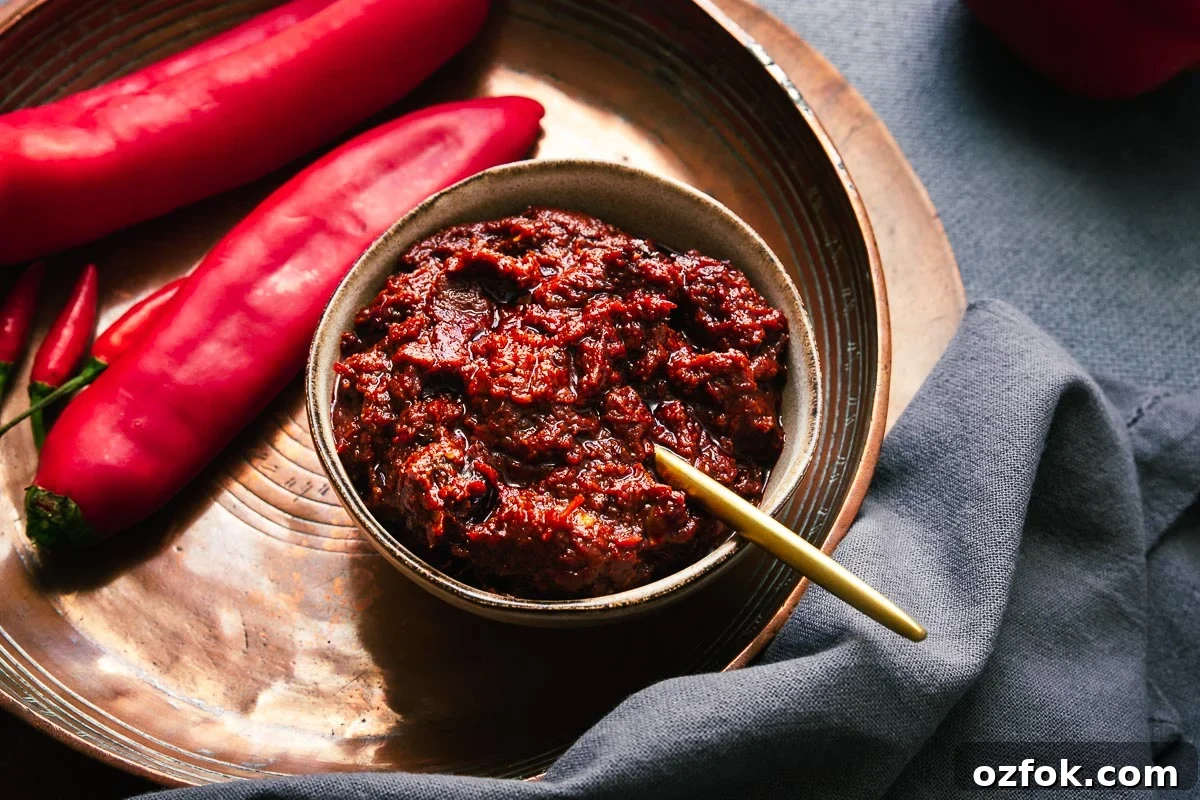
I’ve experimented with harissa for years and refined this rose harissa method using fresh red peppers and toasted spices. It’s inspired by classic Moroccan approaches that balance sweet peppers, a mix of hot and mild chillies, and fragrant spices.
Homemade harissa is adaptable: you can layer different chillies for complexity or tone down the heat with milder powders like Kashmiri paprika. You control the spice level, rose intensity and smokiness, making it perfect for personal taste.
Why make it at home?
- Adjust the heat: Add fresh, dried or fermented chillies to vary the spice.
- Tailor the flavour: Use smoked paprika for smoke or reduce chilli for a milder paste.
This rose harissa is naturally plant-based, dairy-free and gluten-free.
Ingredients
The ingredients for rose harissa are simple and flexible. Swap or omit items to suit what you have on hand.
- Garlic cloves: Use raw cloves or roast a whole bulb with the peppers for a mellower, sweeter flavour.
- Red peppers: Tunisian baklouti peppers are traditional, but roasted red bell peppers (fresh or jarred) work well as a base.
- Chilli peppers: Combine rehydrated dried chillies (ancho, for example) with fresh hot chillies like bird’s eye or serrano, or use just one type. Omit chillies for a non-spicy version.
- Spice mix: A blend of cumin, fennel, coriander and caraway seeds is classic. Use what you have and add smoked paprika for a smoky note.
- Lemon juice: Adds brightness and helps preserve the paste.
- Extra virgin olive oil: Carries flavour and preserves the paste.
- Rose: Dried rose petals, rose water or both give the paste its floral character.
- Salt: Kosher or sea salt to taste.
How to make rose harissa paste
The process breaks down into four clear steps:
- Prepare and roast the peppers and chillies.
- Toast and grind the spices; prepare garlic and rose elements.
- Blend the roasted vegetables, chillies, garlic and spices into a sauce.
- Slowly cook the sauce until it reduces to a thick, oil-separated paste.
Step 1: Prepare the peppers
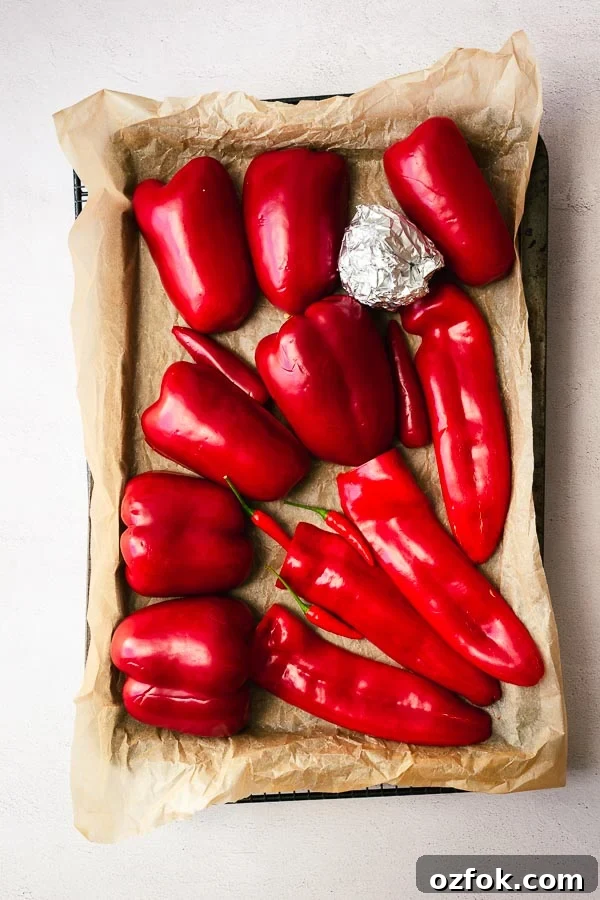
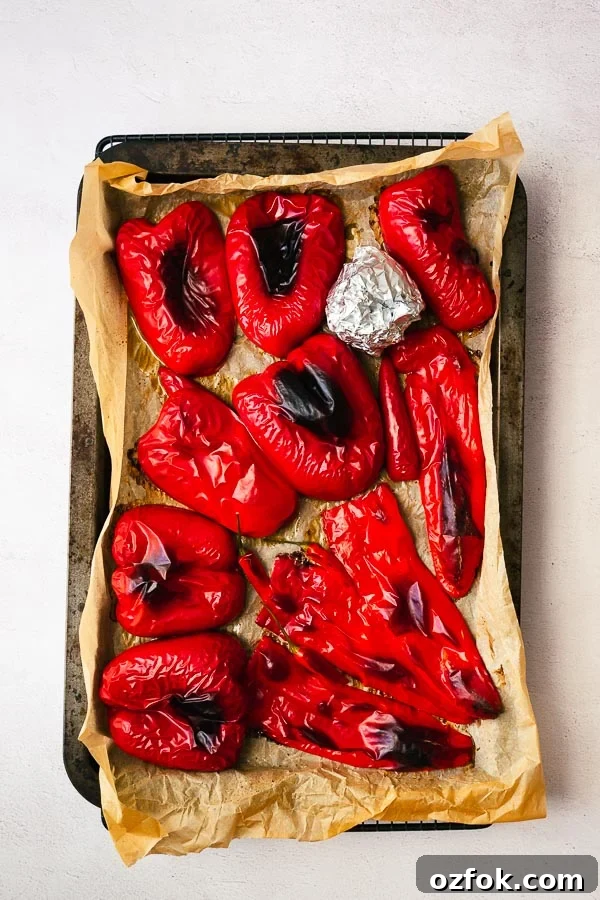
Trim cores, veins and seeds from sweet red peppers. Keep small fresh chillies whole or halve larger ones to remove seeds for a milder paste. Roast everything in a hot oven until skins are blistered and slightly charred.
Tip: Roast a foil-wrapped garlic bulb alongside the peppers for sweeter, more mellow garlic.
After roasting, allow the peppers to cool slightly so the skins steam and peel away easily. Jarred roasted peppers can be used to skip the roasting step.
If using dried chillies, remove stems and seeds, then rehydrate in boiling water for 20 minutes before chopping.
Step 2: Toast spices, prepare garlic and add rose
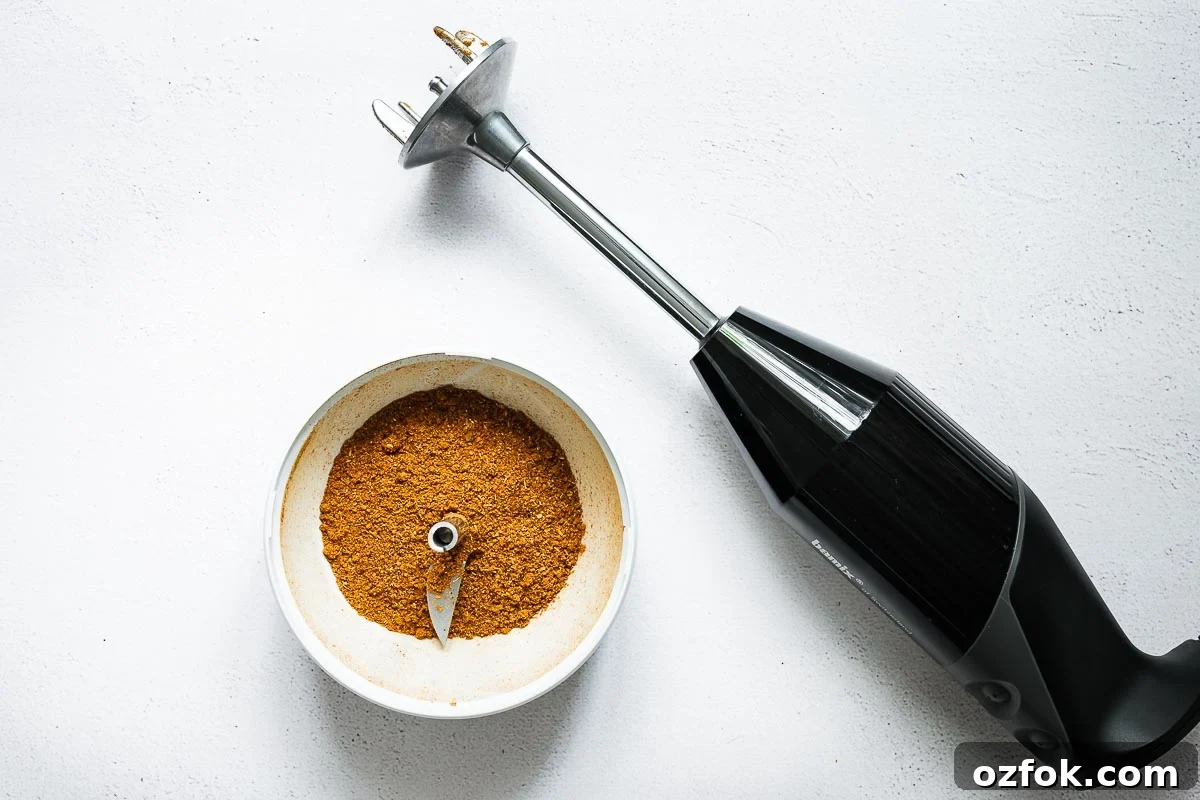
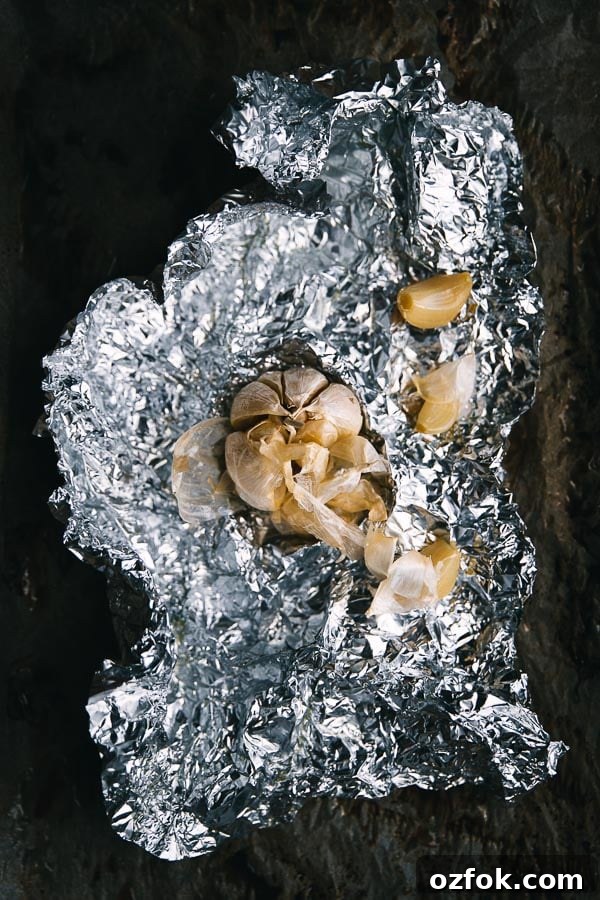
Toast whole cumin, fennel, coriander and caraway seeds in a dry pan until fragrant, then grind. Freshly toasted and ground spices are more aromatic, but pre-ground spices work if needed. Roasted garlic will be sweeter; raw garlic gives a sharper edge.
Step 3: Blend the sauce
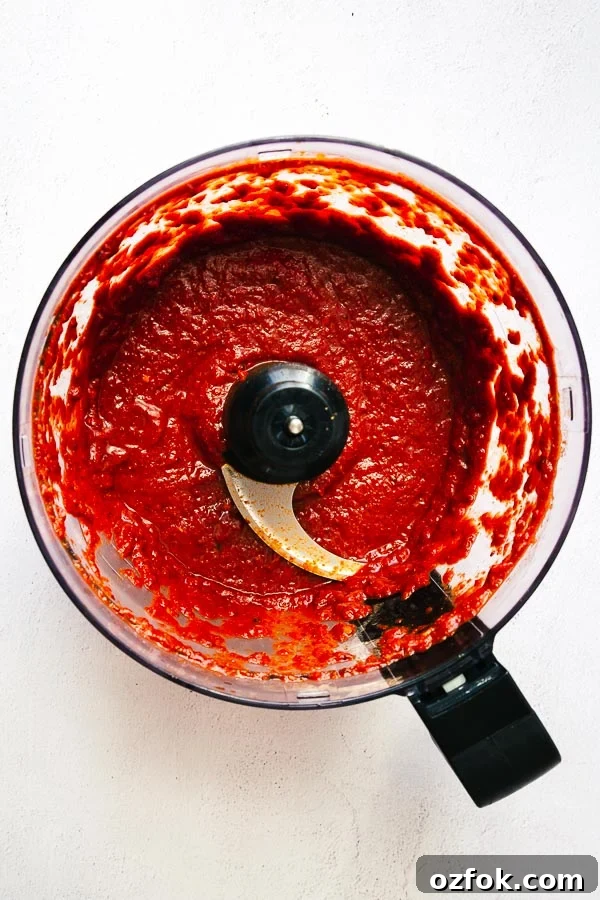
Place peeled peppers, prepared chillies, garlic, ground spices and lemon juice in a food processor and blitz into a coarse sauce, scraping down the sides as needed.
Step 4: Cook the sauce into a thick paste
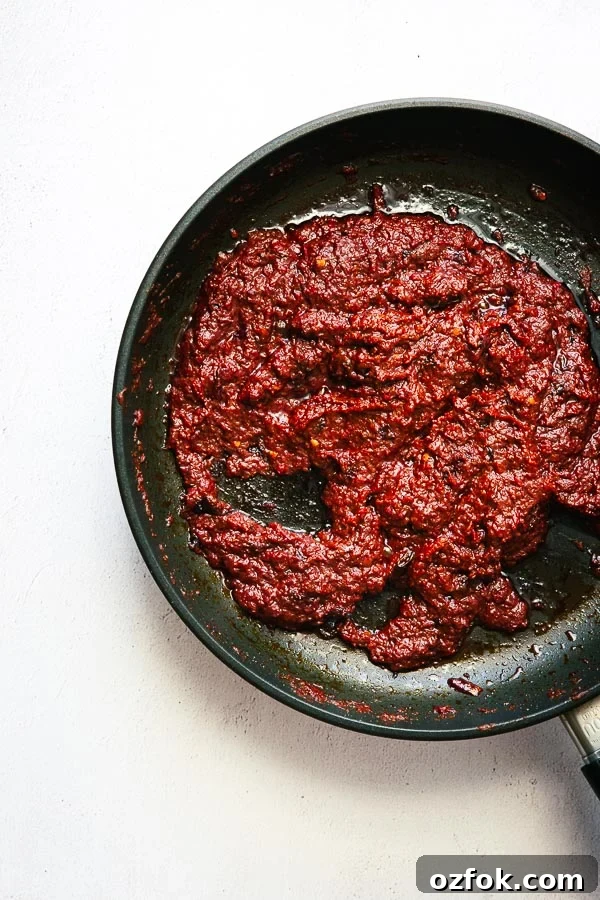
Transfer the sauce to a wide pan with olive oil, add dried rose petals and some rose water, then simmer gently. Reduce uncovered over medium-low heat for 30–40 minutes until the mixture darkens, any excess water has evaporated and red oil begins to appear at the edges.
Finish with salt and the remaining rose water, taste and adjust seasoning. The final paste should be concentrated, aromatic and balanced between heat, sweetness and floral notes. This batch yields about 1½ cups of paste.
Storage
Pack the paste into a sterilised jar and cover it with a thin layer of extra virgin olive oil to help preserve it. Each time you use some, top up the oil so the paste remains covered. Store refrigerated for up to a month.
As the paste runs out, the remaining rose-scented oil is great for dressings or frying. You can also freeze portions in an ice cube tray for quick flavour boosts later.
How to use rose harissa
Rose harissa is a flexible condiment that enhances many dishes. It pairs especially well with roasted vegetables, flatbreads, soups, stews and quick condiments.
Try it on roasted cauliflower, roasted cherry tomatoes or roasted carrots. Spread a thin layer on flatbreads before grilling, or mix it with tomato paste for a milder topping. It also elevates soups like red lentil soup and brightens dressings, butter blends and hummus.
Love Middle Eastern Cooking?
If making rose harissa inspired you, try other Middle Eastern condiments such as zhoug, preserved lemons, shatta or lemon tahini sauce to expand your repertoire.
Homemade Rose Harissa Paste
Print
Pin
Equipment
-
Food processor
-
Spice grinder (optional)
-
Large high-sided frying pan
Ingredients
- 6 garlic cloves , a whole bulb if roasting
- 2.2 pounds red peppers , about 5 large bell peppers
- 4 red chilli peppers* , adjust to taste
- 2 dried ancho chillies (optional) , or more to taste
- 1 tablespoon cumin seeds
- 1 tablespoon fennel seeds
- 1 tablespoon coriander seeds
- 1 tablespoon caraway seeds
- 1 tablespoon lemon juice
- 5 tablespoons extra virgin olive oil , and more for storing
- 2 tablespoons dried rose petals
- 2 tablespoons rose water , or a teaspoon of concentrate
- 1 teaspoon salt
Instructions
-
Preheat the oven to 430 °F (reduce for fan ovens).
-
Rub a garlic bulb or 6 large cloves with olive oil, wrap in foil and set aside for roasting.
-
Halve and core the red peppers, place skin-side up on a lined sheet pan with the foil-wrapped garlic and the chillies.
-
Roast for 15 minutes, remove small chillies if needed, rotate the tray and roast another 10–15 minutes until skins are blistered and charred in places.
-
If using dried ancho chillies, remove stems and seeds, cover with boiling water and leave 20 minutes to rehydrate, then roughly chop.
-
Place roasted peppers on a plate and cover with a bowl or cling film to steam and cool. Once cool, peel away the skins and remove garlic from foil.
-
Toast the spices in a dry pan over medium-high heat until aromatic, about 2–3 minutes, then grind them.
-
Roughly chop peppers, chillies and garlic. Add to a food processor with rehydrated chillies, ground spices and 1 tablespoon lemon juice. Blitz into a coarse paste, scraping down sides as needed.
-
Warm 5 tablespoons olive oil in the large pan, add the pepper mixture, rose petals and half the rose water. Bring to a simmer, reduce heat to medium-low and cook uncovered for 30–40 minutes until the mixture darkens and oil separates.
-
Stir in 1 teaspoon salt and the remaining rose water. Taste and adjust seasoning. Transfer to a sterilised jar, top with olive oil and refrigerate for up to a month, or freeze in portions.
Notes
- Any sweet red peppers work for the base; jarred roasted peppers can save time (use about 20 ounces / 600 g drained weight).
- Roasting a whole garlic bulb adds sweetness; you can use just 6 roasted cloves if you prefer.
- If you lack some spices, increase the quantities of those you have; aim for about 4 tablespoons of mixed seeds to 2.2 lb (1 kg) peppers.
- Rose water varies in strength. If using a concentrated extract, use less (around 2 teaspoons); milder rose waters can be used up to 2–3 tablespoons to taste.
More Middle Eastern Condiments
Try zhough, preserved lemons, shatta or lemon tahini sauce next — they pair beautifully with rose harissa and expand your weeknight cooking options.