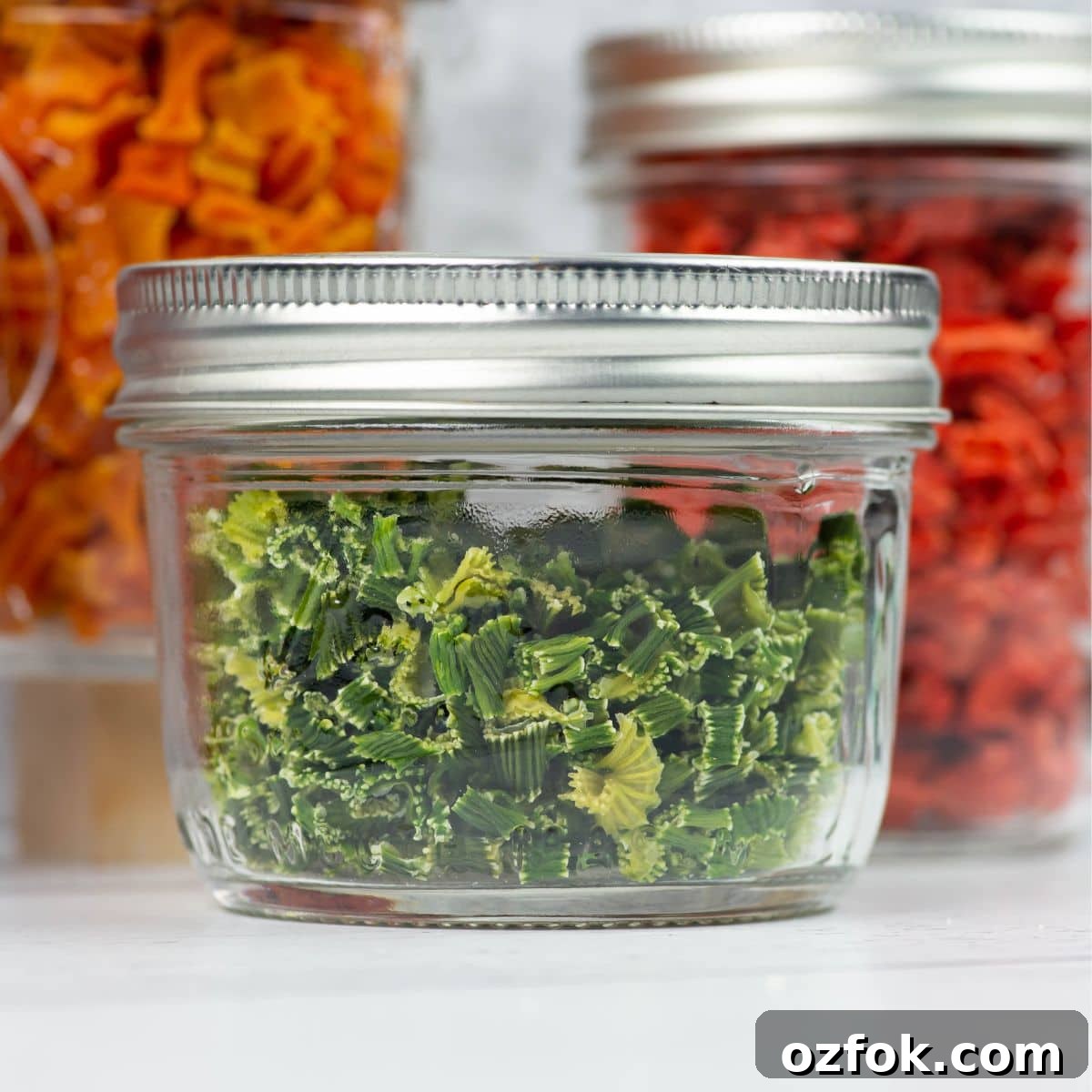
In this easy step-by-step guide, we’ll show you how to dehydrate celery so you can preserve its flavor and nutrients for months.
Celery is a low-calorie, fiber-rich vegetable that adds depth to soups, stews, casseroles and seasoning blends. When you have more celery than you can use fresh, dehydrating is a convenient way to reduce waste and keep a ready supply on hand.

Ingredients & Equipment
Below is a quick look at what you’ll need. Exact quantities and the full method are in the recipe card further down.
- Fresh celery (stalks and ribs)
- Cold water for rinsing
- Sink or large tub
- Food dehydrator with multiple trays
- Plastic mesh dehydrator screens (optional)
- Storage containers: mason jars, vacuum-seal bags, zip-top bags or mylar bags (airtight storage works best)
Recipe Prep
- Prepare the celery: Trim the tops and bottoms, separate the ribs and rinse them in cold water. Rub away any dirt, then drain and pat the stalks dry with a clean towel to remove as much surface moisture as possible.
- Prepare the dehydrator: Clean and dry the trays. If they are sticky or have residue, wash and dry them thoroughly so air circulates freely during drying.
Step-by-Step Directions
- Step 1 — Wash and trim: Remove leaves and ends, then wash each stalk thoroughly. Pat dry.
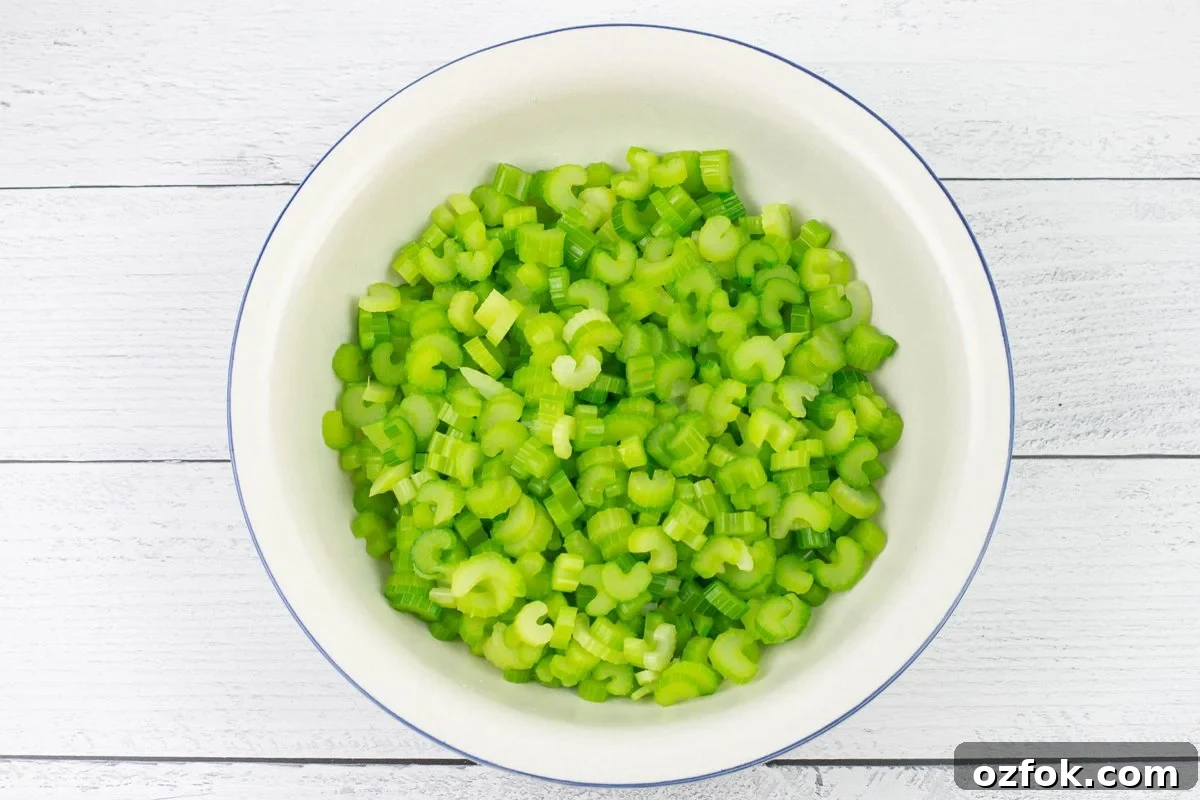
- Step 2 — Slice thinly: Cut the celery into uniform slices about 1/4 inch thick. Even thickness helps the pieces dry at the same rate.
- Step 3 — Preheat the dehydrator: Set the dehydrator to 125°F–135°F (about 52°C–57°C). This range dries celery efficiently without cooking it; avoid higher temperatures and very low temperatures.
- Step 4 — Arrange on trays: Place slices in a single layer on the trays with space between pieces for airflow. Avoid overcrowding, which slows drying.
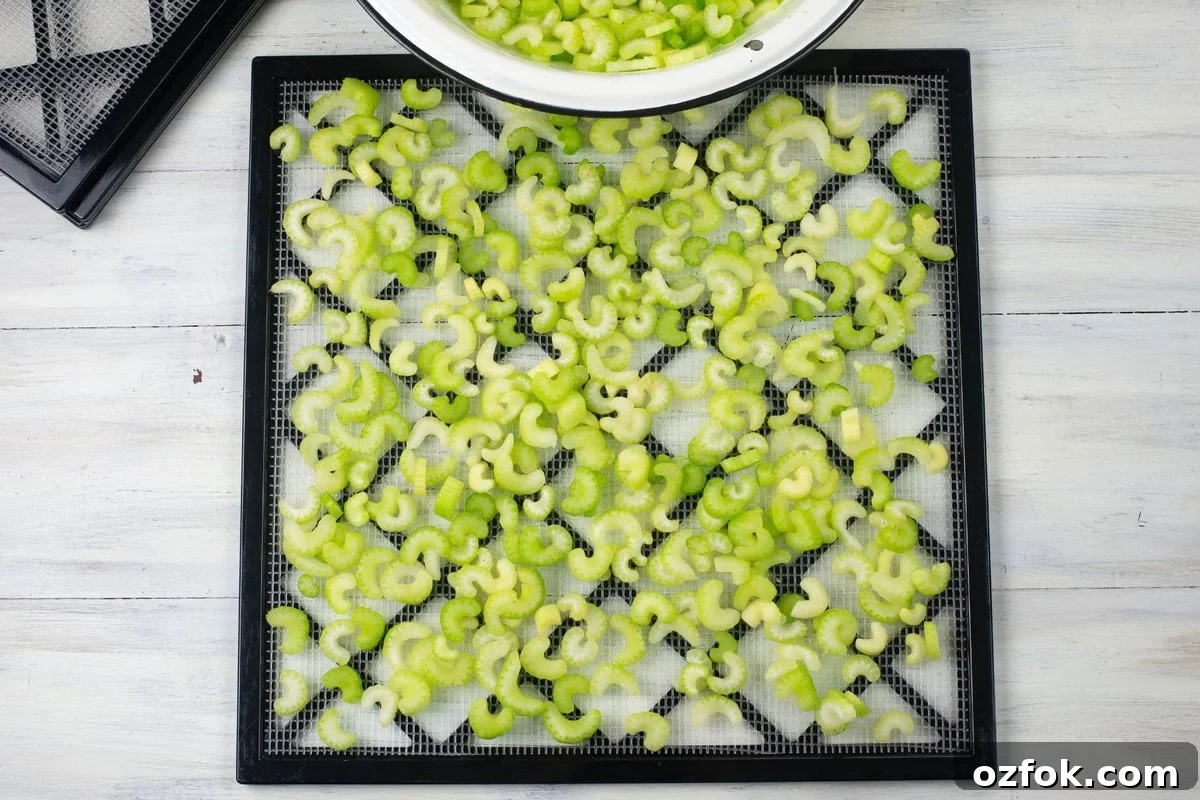
- Step 5 — Dehydrate: Slide the trays into the dehydrator and dry for roughly 8–12 hours. Drying time depends on slice thickness, dehydrator model and how full the trays are. Check periodically and rotate trays if your unit requires it.
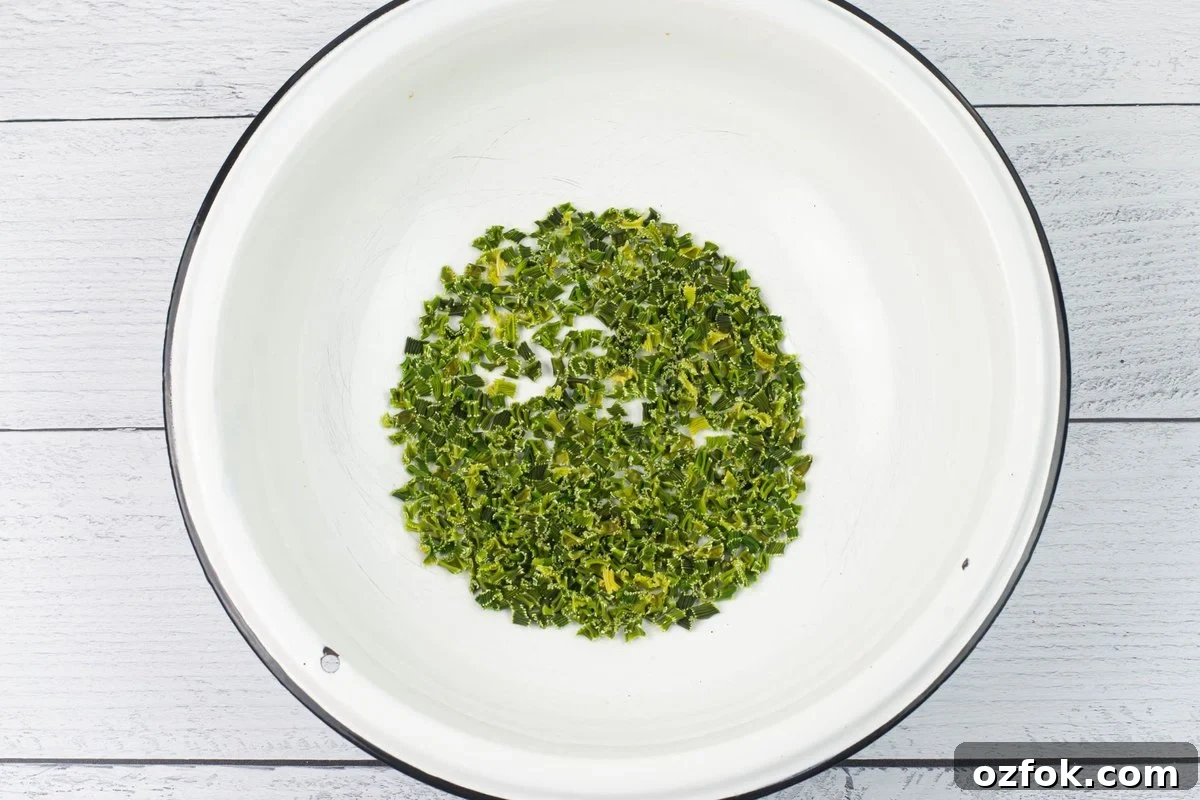
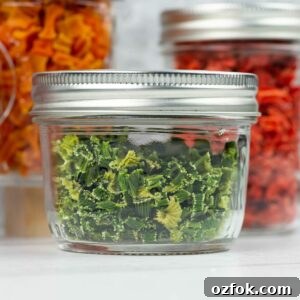
- Step 6 — Store properly: When celery pieces are dry and crisp, cool them to room temperature and transfer to airtight containers. Mason jars, vacuum-sealed bags or mylar bags with oxygen absorbers are excellent choices. Store in a cool, dark, dry place; properly stored dehydrated celery can keep for many months.
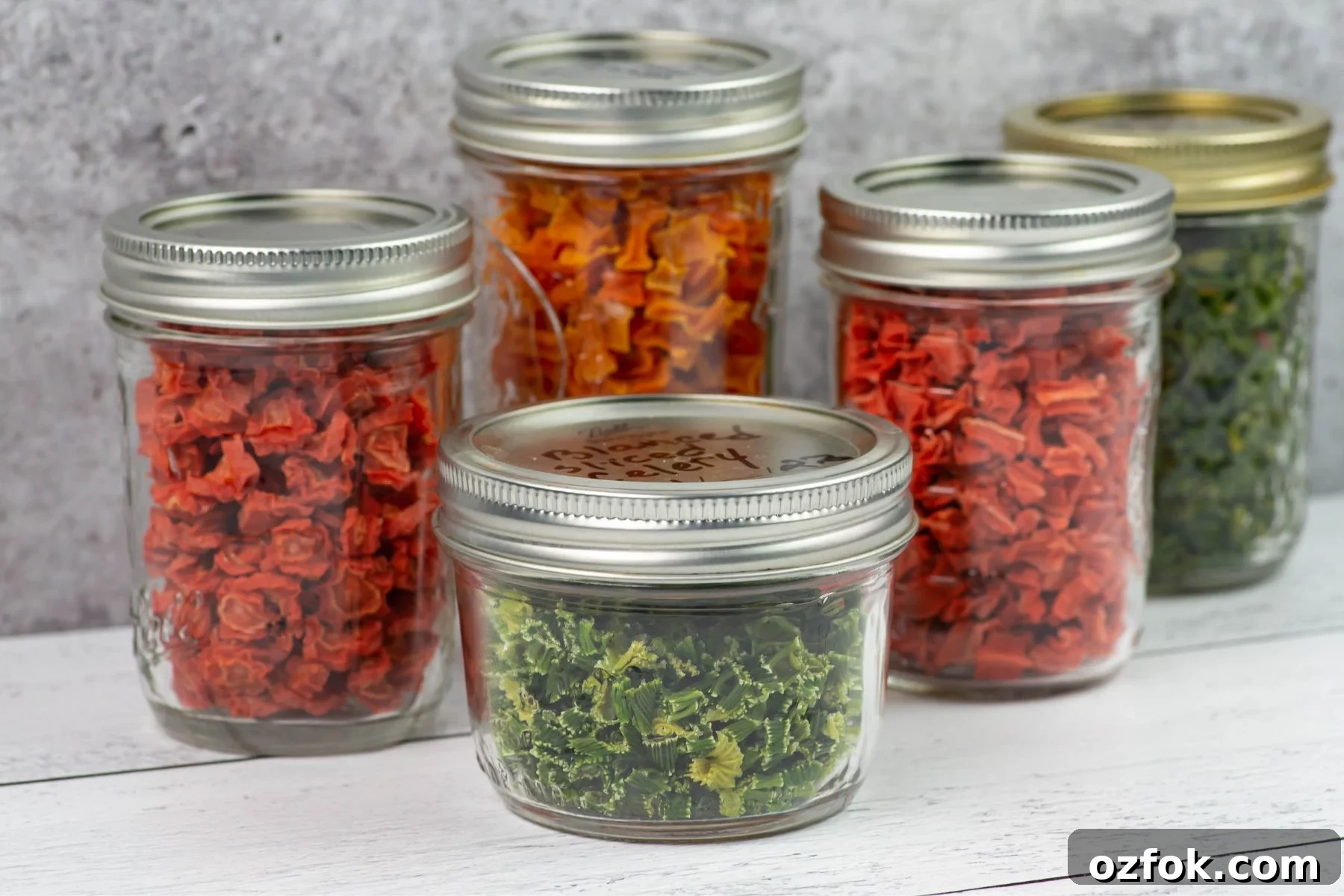
Dehydrating celery preserves its taste and many nutrients while making it lightweight and shelf-stable. Use it to add texture and flavor whenever fresh celery isn’t available.
Suggested Uses
Dehydrated celery is versatile—here are common ways to use it:
- Rehydrate as a vegetable: Soak in warm water, then add to soups, stews or casseroles.
- Use as seasoning: Chop rehydrated pieces or grind dried celery into flakes or powder for seasoning blends and dry mixes.
- Salads and garnishes: Sprinkle celery flakes or powder on salads, rice or pasta for extra crunch and flavor.
- Celery powder for drinks: Stir a small spoonful of celery powder into water for a quick celery-flavored drink or add to smoothies for a savory twist.
Dehydrated celery is handy, compact and simple to store—great for meal prep and emergency pantry supplies.
Recipe FAQs
A food dehydrator is the most reliable method. It provides consistent low heat and airflow for even drying.
At the recommended 125°F, expect about 8–12 hours, depending on slice thickness and tray loading.
Celery is done when pieces are completely dry and brittle to the touch with no soft spots remaining.
📌 Pro Cooking Tips
- Basic countertop food dehydrators are affordable and work well for beginners.
- Using food-grade oxygen absorbers in sealed containers extends shelf life for dried vegetables.
- Celery shrinks considerably when dried—a few heads make a surprising amount of dried flakes.
More Dehydrating Recipes
Try dehydrating other pantry staples to build a shelf-stable collection of ingredients.
-
How to Dehydrate Banana Chips
-
How To Dehydrate Mushrooms
-
How To Dehydrate Orange Slices
-
How To Dehydrate Onions




⭐ Leave a Star Rating
If you try this method, consider leaving a rating in the recipe card to share how it turned out.
Email questions or recipe requests to [email protected].
How To Dehydrate Celery
Arlene Mobley – Flour On My Face
Equipment
- Dehydrator
Ingredients
- 3 Large heads fresh celery
- 10 cups cold water (for rinsing)
Instructions
Recipe Prep
- Cut tops and bottoms off each head. Place ribs in cold water, rub to remove dirt, drain and pat dry.
- Clean and dry dehydrator trays to remove residue before use.
Dehydrate the celery
- Slice celery into 1/4 inch pieces for even drying.
- Preheat the dehydrator to 125°F–135°F.
- Arrange slices in a single layer with space between pieces.
- Dry 8–12 hours, checking occasionally, until pieces are dry and crisp.
- Cool, then store in airtight containers in a cool, dry place.
Recipe Expert Tips
- Basic food dehydrators are affordable and great for beginners; upgrade later if needed.
- Food-grade oxygen absorbers help extend the shelf life of dried foods.
- Dehydrated celery shrinks considerably—store in small airtight containers to save space.
- Use dried celery in soups, stews, spice blends, salads and as a garnish. Grind into powder for celery salt or drink mixes.
Nutrition
Calories: 1kcal
Carbohydrates: 0.2 g
Protein: 0.04 g
Fat: 0.01 g
Fiber: 0.1 g
Sodium: 9 mg