
With an English muffin base, perfectly poached eggs, and a silky hollandaise, Eggs Benedict is a timeless brunch favorite. This recipe lets you create a restaurant-style dish at home to wow friends and family.

Brunch season is my favorite time of year. From Easter to Mother’s Day and graduation gatherings, spring calls for special breakfasts, and I’m always happy to host.
Some mornings I serve make-ahead bakes, other days I make everything fresh. When I really want to impress, I make Eggs Benedict — it looks elegant but is straightforward to prepare at home.

WHAT IS EGGS BENEDICT?
Although the origins of Eggs Benedict are debated, its appeal is undisputed. Many classic brunch menus include some version of this dish.
The classic preparation features an English muffin split and toasted, topped with Canadian bacon (or ham), a poached egg, and a generous spoonful of hollandaise sauce.
Because Eggs Benedict has multiple components, some home cooks shy away from it — but it’s easier than it looks and makes an excellent centerpiece for holiday brunches.
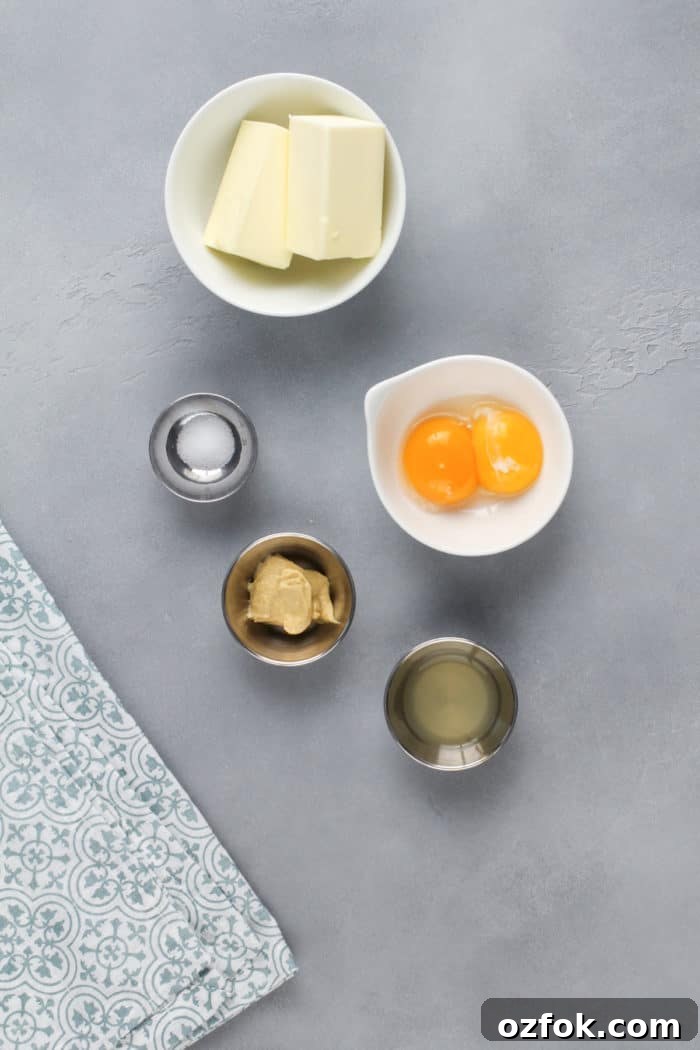
What is hollandaise sauce?
Hollandaise is one of the classic French “mother sauces.” It’s an emulsion of butter, egg yolks, and lemon juice that becomes rich and velvety thanks to the egg yolks stabilizing the butter and acid.
While hollandaise is most commonly associated with Eggs Benedict, it’s also excellent over steamed or roasted vegetables, poached salmon, steak, or even as a decadent dip for fries.
HOW TO MAKE THIS EGGS BENEDICT RECIPE
Don’t be intimidated — this recipe is approachable and rewarding. Below I outline the components, how to assemble them, and tips for prepping ahead.
Recipe components
A classic Eggs Benedict has a few core parts:
- English muffins
- Canadian bacon or ham (optional — see variations)
- Poached eggs
- Hollandaise sauce
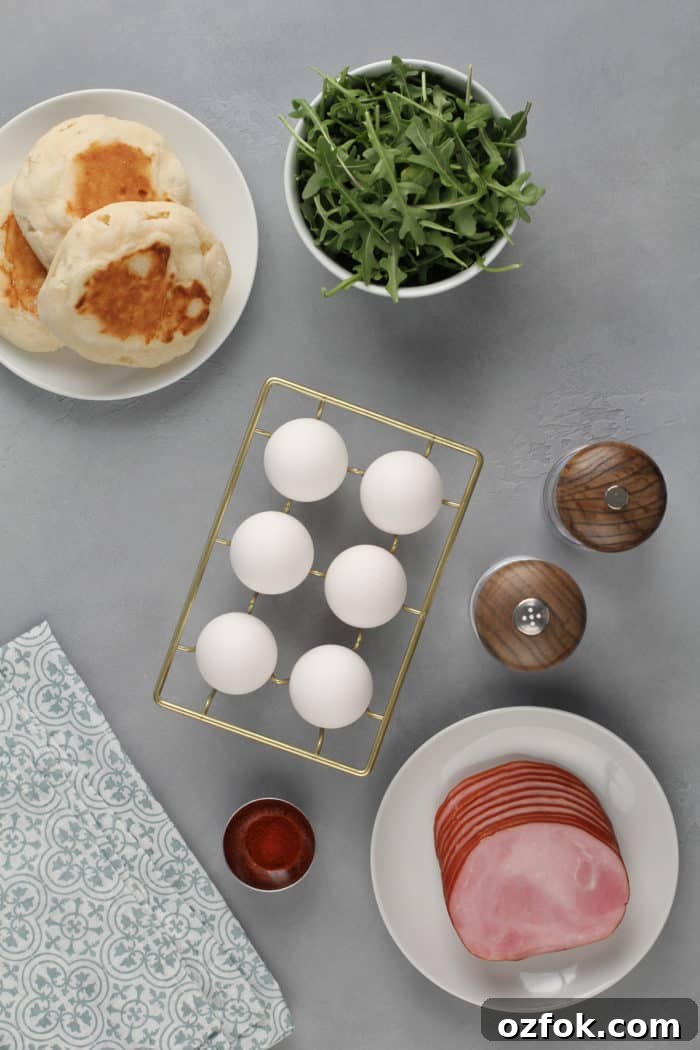
I recommend using a favorite store-bought English muffin for convenience, though you can make homemade English muffins if you prefer. You can also use slices of English muffin bread if that’s what you have.
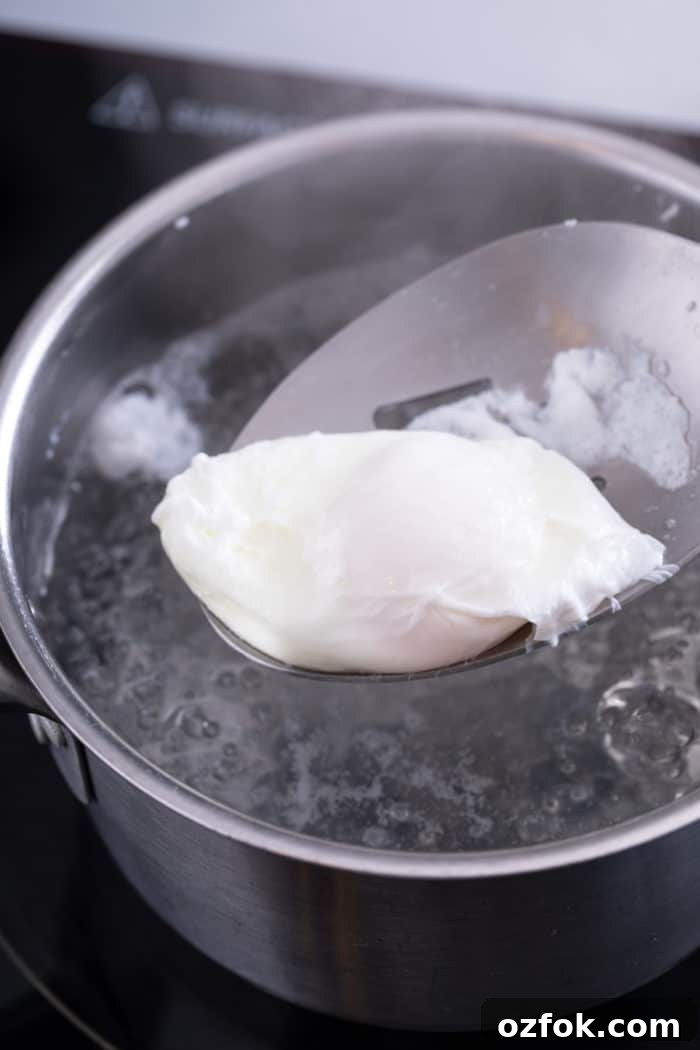
Poaching eggs is simple once you learn the technique; they can also be prepared ahead and reheated. For hollandaise, I prefer using a blender — it’s quick and reliable.
Making the hollandaise
Blender hollandaise is fast and reduces the risk of a broken sauce. Start by melting salted butter gently in a small saucepan until warm.
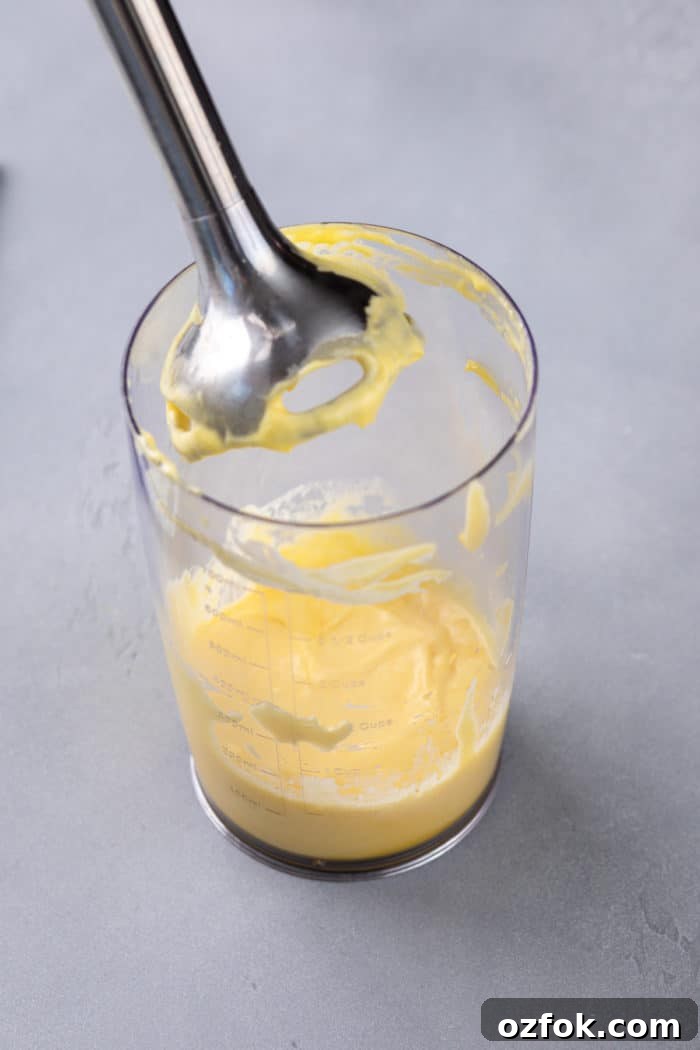
In a blender or tall measuring cup with an immersion blender, combine the egg yolks, lemon juice, Dijon mustard (optional but flavorful), and salt. With the blender running, begin streaming in the warm melted butter very slowly — a few drops at first, then a steady stream as the emulsion forms.
Taste and adjust lemon and salt. If you prefer a thinner sauce, add hot water a tablespoon at a time. A pinch of cayenne or a few drops of hot sauce adds a pleasant warmth if desired.
If the hollandaise separates, blending in a few drops of hot water while running the blender usually brings it back to a silky consistency.

Assembling the Eggs Benedict
Toast split English muffins. Top each half with a slice of Canadian bacon or another choice of protein, then place a poached egg on top. Season lightly with salt and pepper.
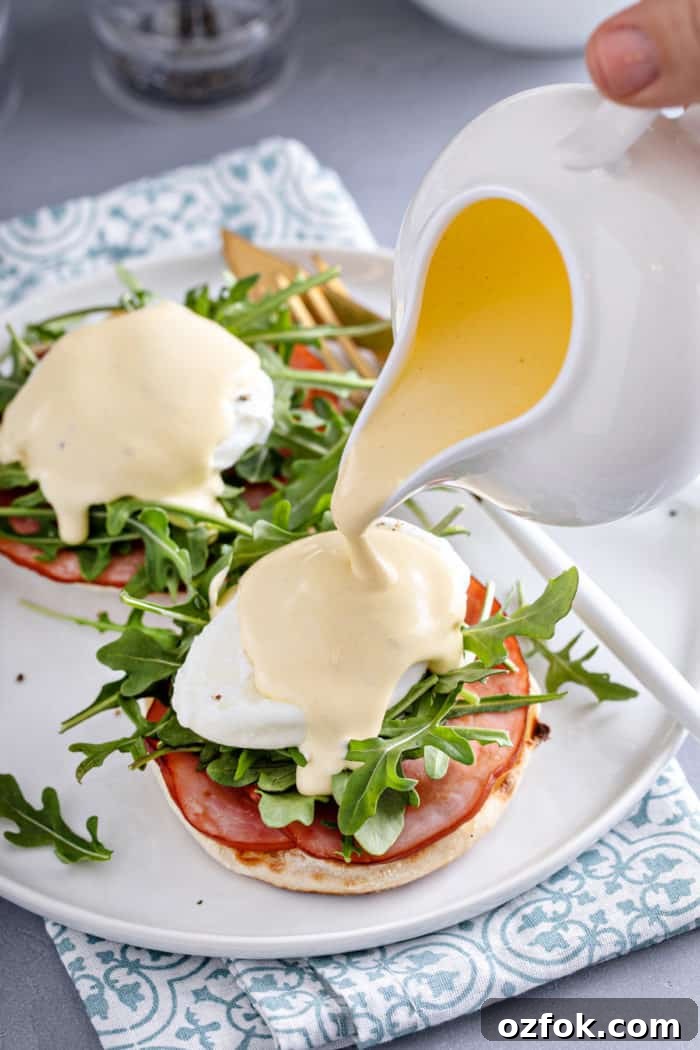
Spoon hollandaise over the egg and finish with a sprinkle of smoked paprika and a sprig of dill or other fresh herb. Serve immediately so the yolk stays runny and the hollandaise stays warm.
RECIPE VARIATIONS
Eggs Benedict is endlessly adaptable. Traditional Canadian bacon is classic, but substitute or add any of the following:
- Thick slices of American bacon
- Smoked salmon (often called Eggs Atlantics)
- Lump crab meat
- Sautéed spinach (Eggs Florentine)
- Fresh arugula
- Steamed asparagus
- Crab cakes (Eggs Chesapeake or Crab Cakes Benedict)
- Seasoned tomato slices
If it pairs well with a runny poached egg and hollandaise, it will likely work on Eggs Benedict — feel free to experiment.

MAKE-AHEAD TIPS
To keep stress low when hosting brunch, prep components ahead. Poach eggs a few hours or the night before and hold them in an ice bath or refrigerated. Reheat briefly in simmering water for about a minute before serving.
Hollandaise can be made up to a day ahead and kept in an airtight container in the fridge. Reheat gently over a double boiler on very low heat, stirring constantly and removing it from heat as soon as it’s warm. If it splits while reheating, whisk or blend in a few drops of hot water to re-emulsify.
When you’re ready to serve, toast the English muffins, rewarm eggs if needed, assemble, and enjoy the compliments that follow.

Eggs Benedict

Ingredients
For the hollandaise:
- ½ cup salted butter
- 2 egg yolks
- 1 tablespoon lemon juice, plus more to taste
- 1 teaspoon Dijon mustard
- ¼ teaspoon fine sea salt
For the Eggs Benedict:
- 6 poached eggs
- 3 English muffins, split and toasted
- Salt and pepper
- Smoked paprika, for garnish
Optional additions:
- Sliced ham or Canadian bacon
- Cooked American bacon
- Lump crab meat
- Smoked salmon
- Sautéed spinach
- Fresh arugula
- Steamed asparagus
- Seasoned tomato slices
Instructions
Make the hollandaise:
- Melt the butter in a small saucepan over medium-low heat until warm.
- In a blender or large measuring cup, combine the egg yolks, lemon juice, mustard, and salt.
- With the blender running, slowly stream in the warm melted butter, starting with a few drops and increasing the stream as the sauce emulsifies.
- If you prefer a thinner sauce, add hot water a tablespoon at a time. Taste and adjust lemon juice and salt as needed.
To assemble:
- Poach the eggs and set aside.
- Split and toast the English muffins.
- Top each muffin half with your chosen addition (Canadian bacon is traditional), then place a poached egg on top; season with salt and pepper.
- Spoon hollandaise over each egg. Garnish with smoked paprika and dill if desired. Serve immediately.
Notes
Learn proper poaching technique to make consistent eggs. Poached eggs can be made ahead and reheated in simmering water.
For heat, add cayenne or hot sauce to the hollandaise. If the sauce breaks, gradually whisk in hot water, one tablespoon at a time, to bring it back together.
Hollandaise keeps in the refrigerator for up to a day in an airtight container. Reheat gently over a double boiler on very low heat, stirring constantly and removing as soon as it is warm.
Nutrition
Nutrition information is an approximation.