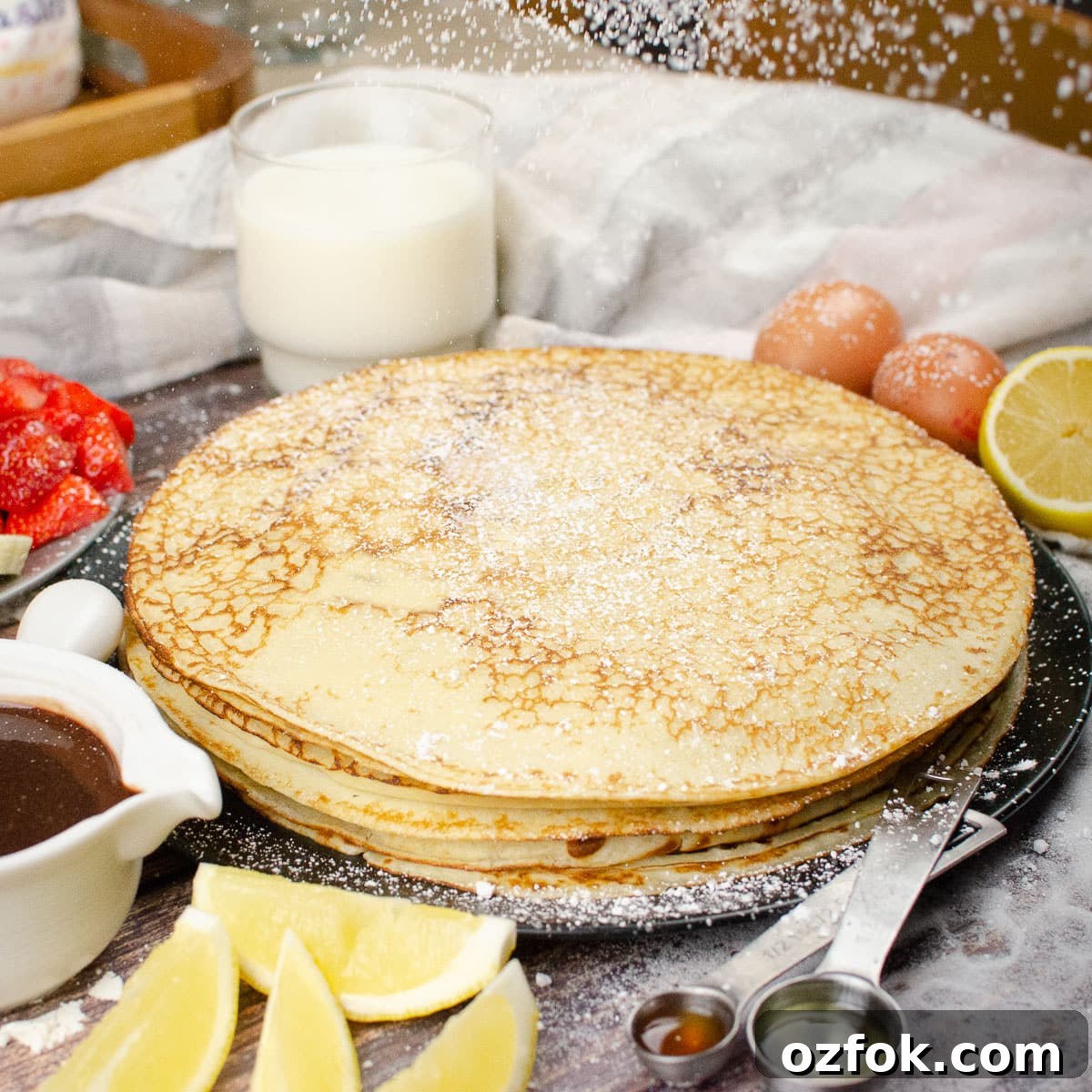
Our Easy English Pancakes are perfect for breakfast, brunch or dessert. This simple British sweet pancake recipe uses a homemade batter made from scratch to give you reliably thin, tender pancakes every time.
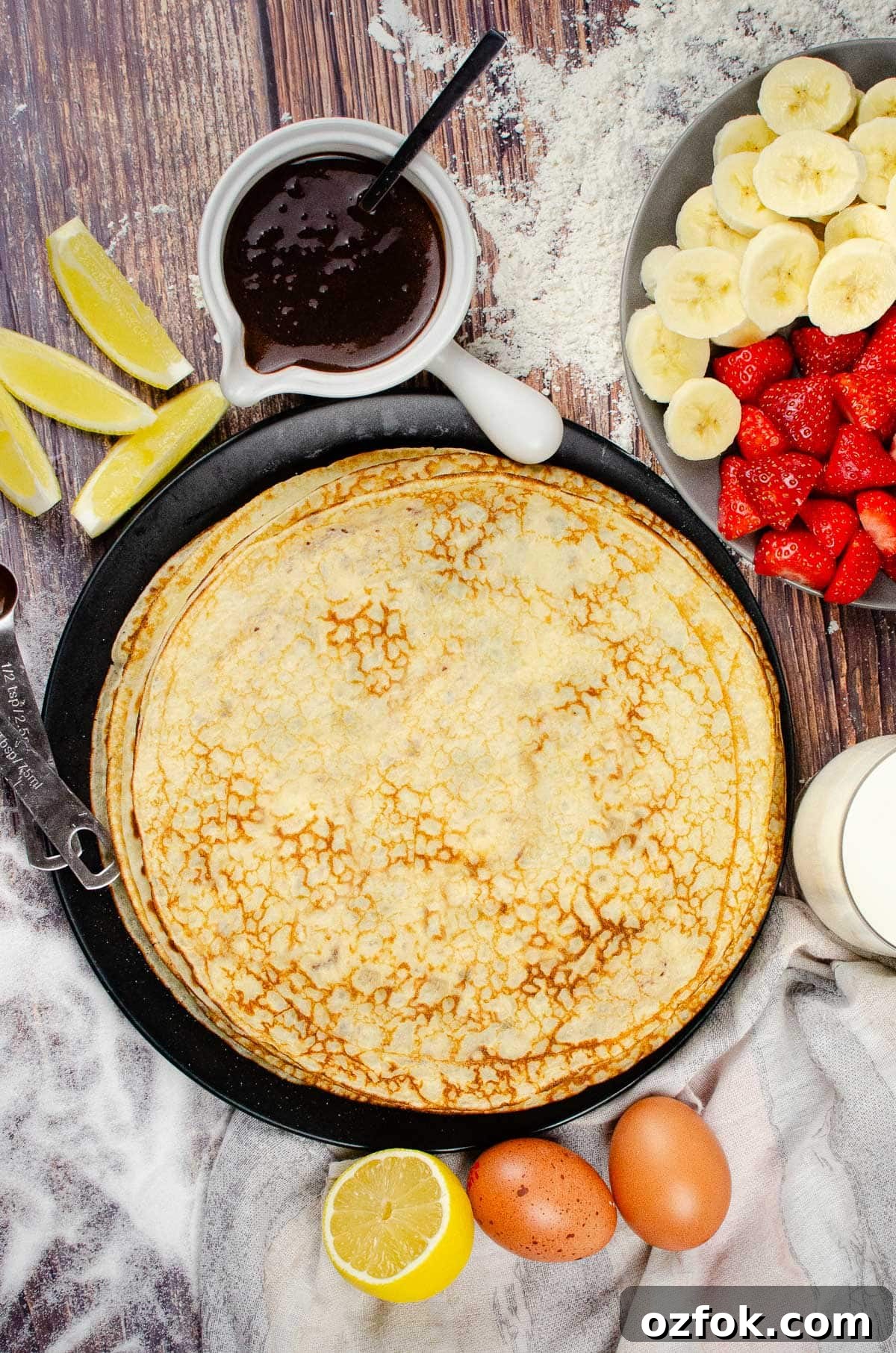
The hardest part is choosing toppings: classic lemon and sugar, maple syrup, chocolate sauce, Nutella, fresh fruit or even bacon and maple for a savoury-sweet twist. These pancakes are quick to make and ideal for Pancake Day or any weekend treat.
How to make Sweet Pancakes
Below is a straightforward step-by-step recipe. Read on for ingredient notes, equipment tips, toppings and storage advice.
Easy English Pancakes – Sweet Crepes
These Easy English Pancakes are thin, soft and quick to cook. The batter uses plain flour, eggs, milk, a little sugar, oil and optional vanilla. Make the batter in minutes and cook pancakes on a medium pan until golden. Serve with your favourite toppings.
Prep time: 5 mins | Cook time: 15 mins | Total time: 20 mins | Serves: 6 pancakes (approx.)
Equipment
- Shallow frying pan or crepe pan
- Wide spatula for turning
- Large jug or bowl
- Whisk or hand blender
- Spray oil or a small brush for oiling the pan
Ingredients
Pancake mix
- 30 grams caster sugar (granulated is fine)
- 360 ml milk (whole, semi-skimmed, skimmed or plant-based)
- 2 medium eggs
- ½ tbsp vegetable oil (or melted butter)
- ½ tsp vanilla extract (optional)
- 160 grams plain flour
- Spray oil to grease the pan between pancakes
Optional toppings
- Nutella or chocolate spread
- Fresh strawberries or bananas
- Lemon and caster or icing sugar
- Chocolate or raspberry sauce
- Bacon and maple syrup
Instructions
Prepare the batter
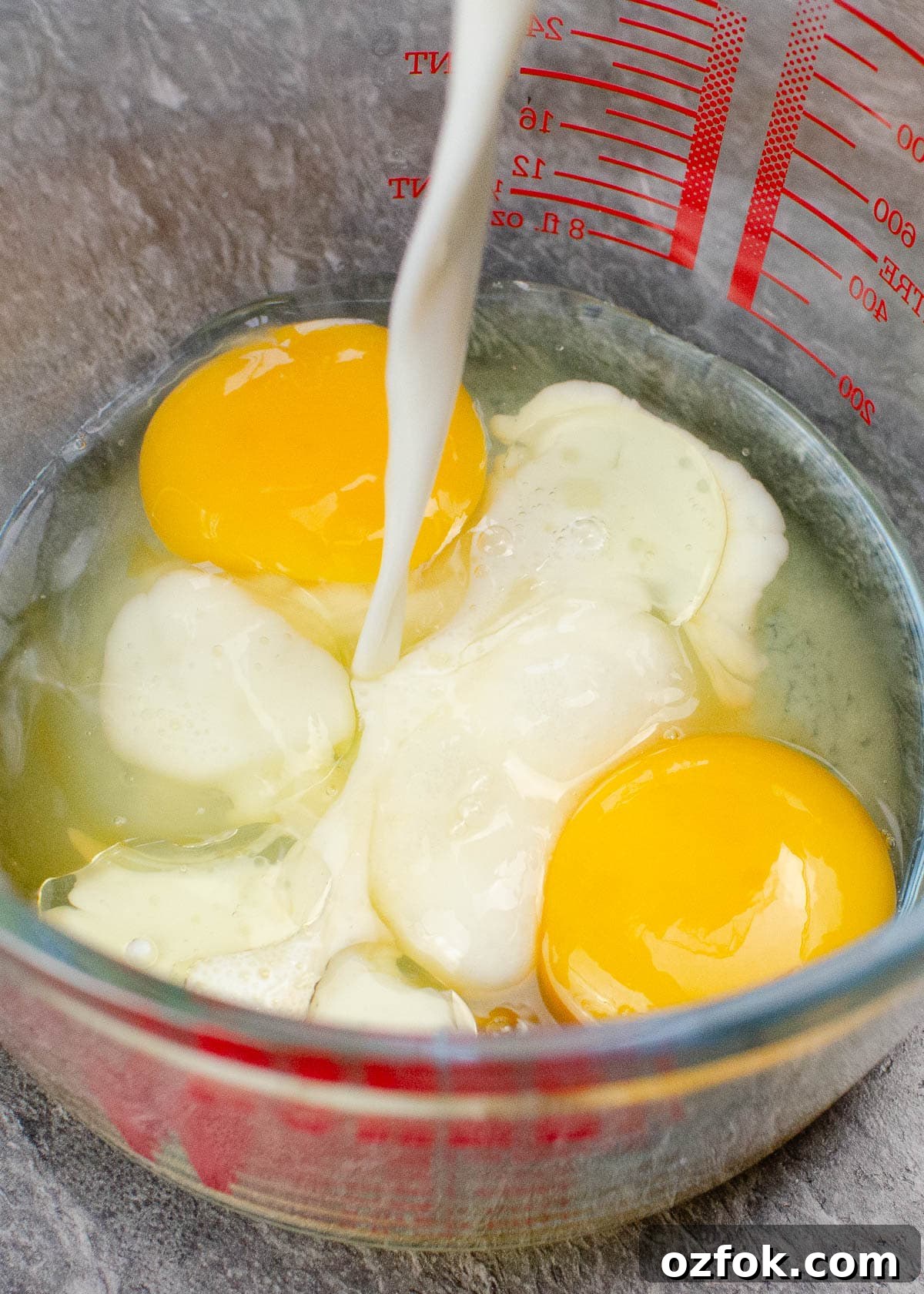
- Put the sugar, milk, eggs, vegetable oil and vanilla extract into a large jug or bowl.
- Whisk or blend the wet ingredients until smooth.
- Add the plain flour a spoonful at a time, whisking or blending between additions until the batter is smooth and lump-free. The batter should be fairly thin for crepe-style pancakes.
Cook the pancakes
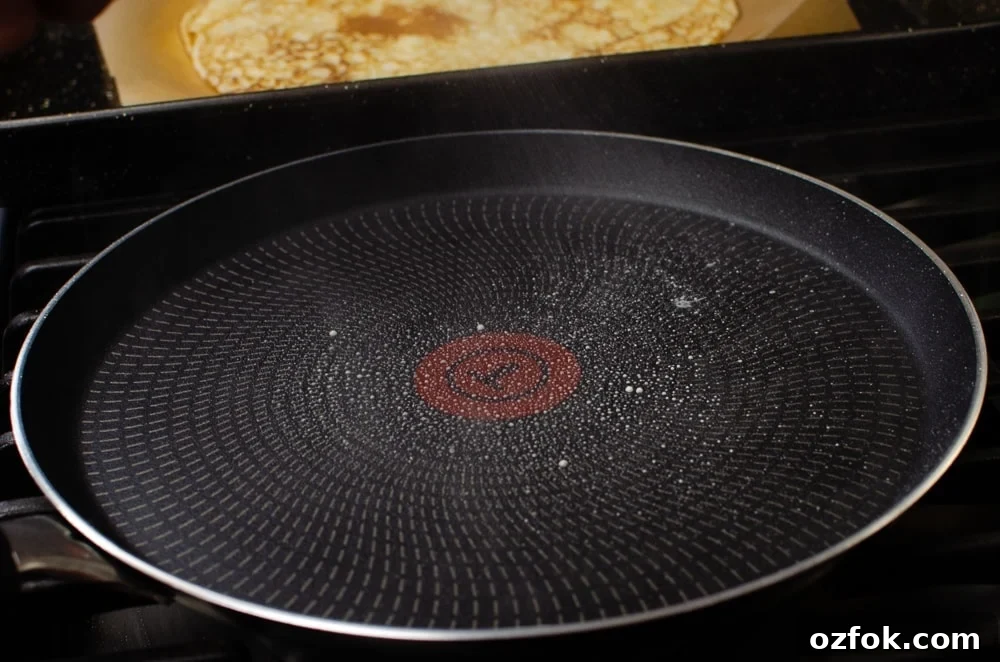
- Lightly oil a non-stick frying pan and heat to medium. Re-oil between each pancake.
- Pour or ladle enough batter into the pan to make a thin layer. Tilt the pan if necessary to spread the batter evenly.
- Fry for about 1 to 1½ minutes until the underside is golden and the edge releases easily. Slide a spatula under to check.
- Flip and cook the other side for 30–60 seconds until cooked through.
- Stack cooked pancakes on a plate, separating them with parchment paper to prevent sticking.
- To keep pancakes warm, place the stacked pancakes in a low oven (around 100°C / 200°F) until ready to serve.
Pancake Toppings
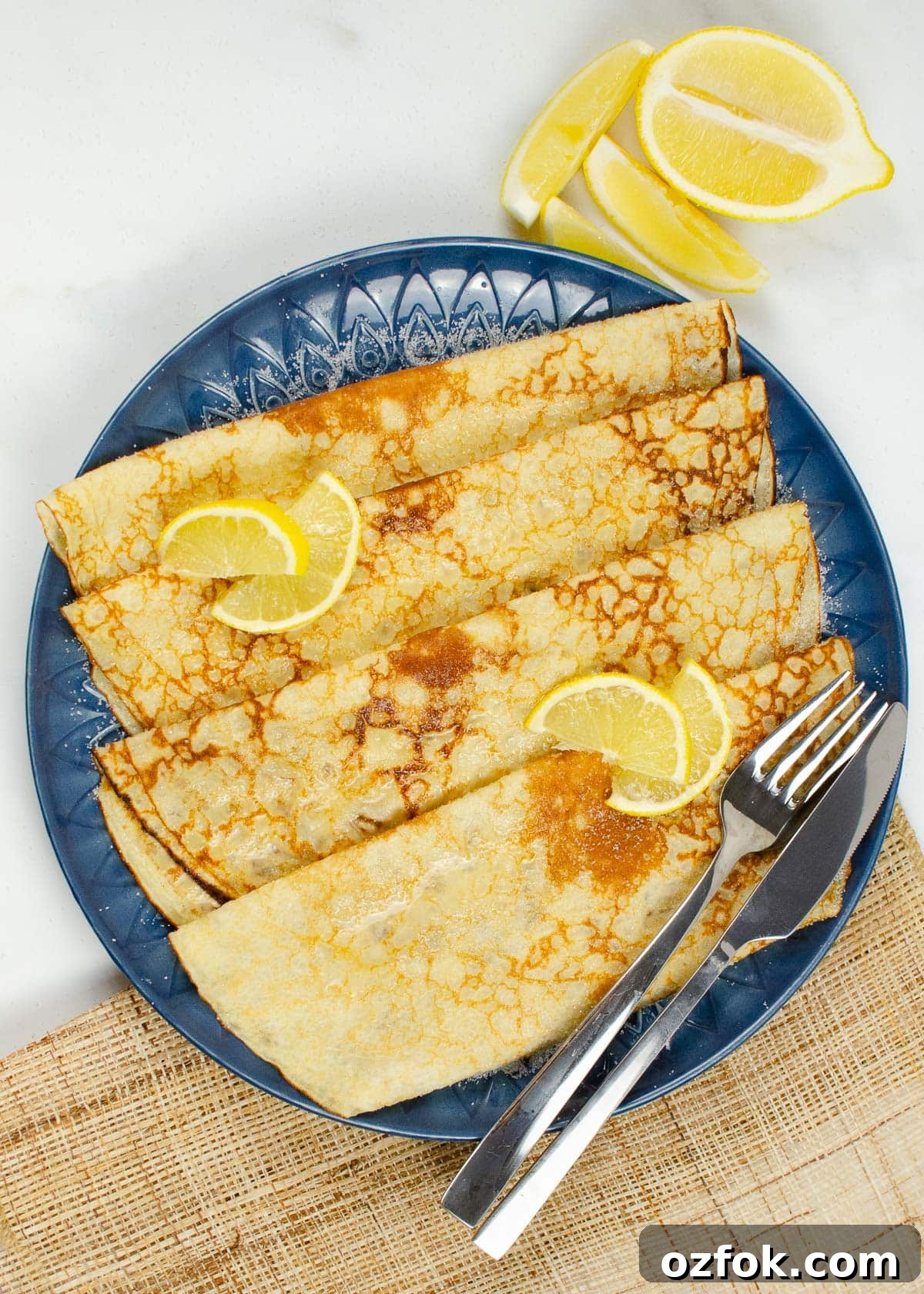
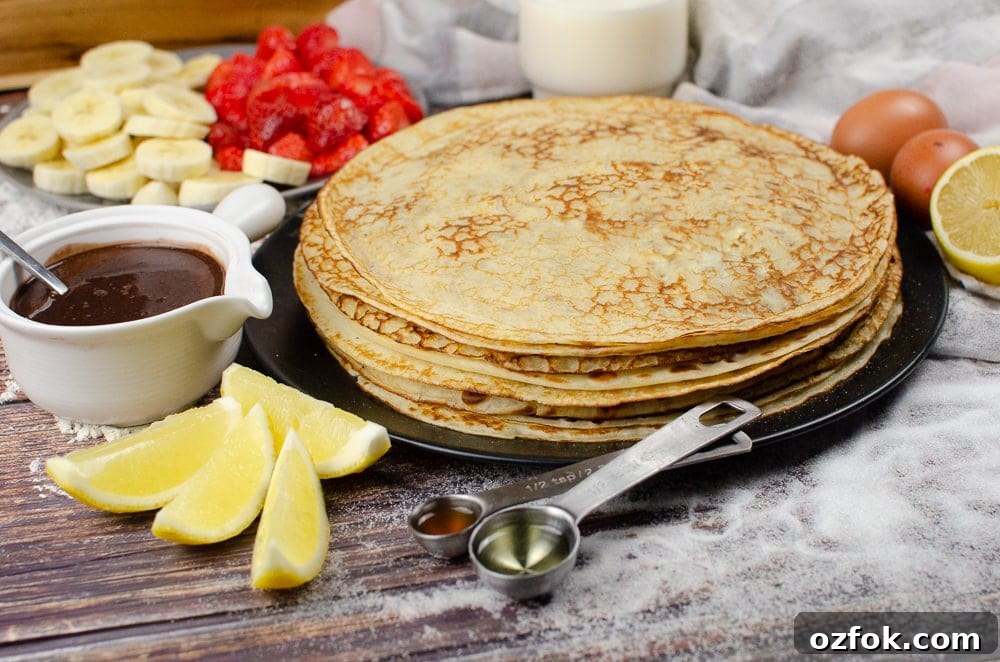
Toppings make the pancakes. Try lemon and caster sugar for a classic, or add fruit and sauces for a decadent finish. Below are a few favourite combinations:
- Lemon juice and sugar — bright, simple and traditional.
- Nutella or chocolate spread, with sliced banana.
- Fresh strawberries with a dusting of icing sugar.
- Warm caramel or chocolate sauce for an indulgent treat.
- Bacon and maple syrup for a savoury-sweet contrast.
- Raspberry sauce or compote for a fruity, tart option.
Storage & Reheating
Store leftover batter in the fridge for up to three days. Cooked pancakes keep in the fridge for up to three days in an airtight container or wrapped in cling film. Reheat briefly in the microwave, turning halfway through, or warm in a low oven until piping hot. Pancakes can also be frozen between sheets of parchment and reheated from frozen.
A brief history
Pancake-like foods have existed for thousands of years. In Britain, thin pancakes are traditionally served on Shrove Tuesday (Pancake Day) to use up eggs, milk and sugar before Lent. Variations exist worldwide — French crepes are wafer thin, British pancakes are thin and flexible, while American pancakes are thicker and fluffier.
FAQ
Ingredients are similar, but textures differ: French crepes are very thin, English pancakes are thin but slightly thicker, and American pancakes are thick and fluffy.
Yes. Replace cow’s milk with plant-based milk and substitute eggs with mashed banana or applesauce. The texture and flavour may vary but results are still tasty.
Use a good non-stick pan, lightly oil the surface and re-oil between each pancake. Make sure the pan is properly heated before adding batter and avoid pouring batter into a cold pan.
We hope you enjoy making these Easy English Pancakes. Try different toppings and find your favourites. Happy pancake making!