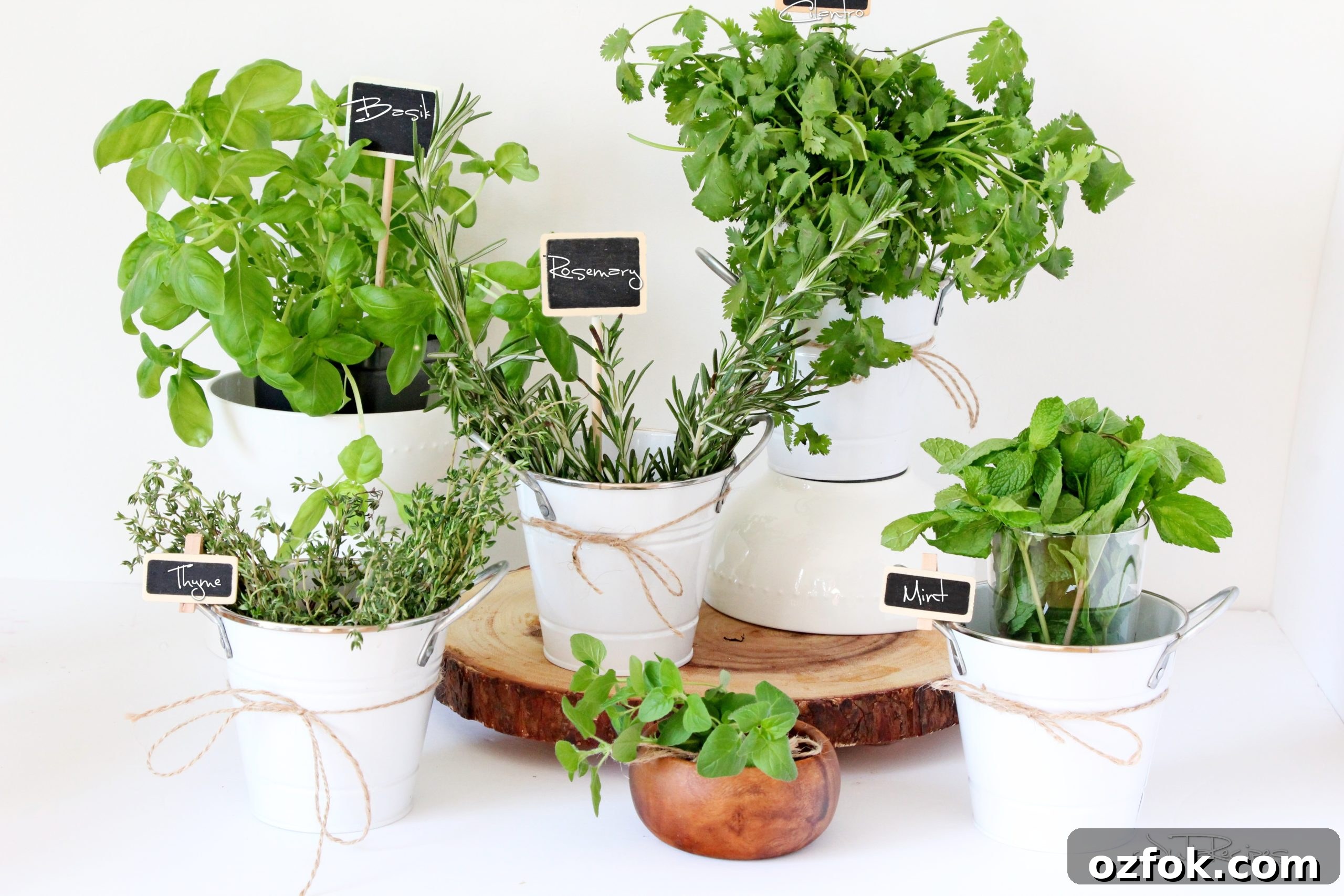
MY HERB HEAVEN
written by @JuliaRecipes
“This post may contain affiliate links. Please see disclosure page for more information.”
Dear readers, I’ve been away for a few weeks tending my garden. I love herbs, and fresh herbs from my own plot are, to me, little gems of flavor. Whether you have a spacious yard or a tiny balcony, growing herbs is easy and rewarding. In this guide I’ll show how to create a small herb garden, suggest which herbs to grow, and explain the best culinary pairings for each.
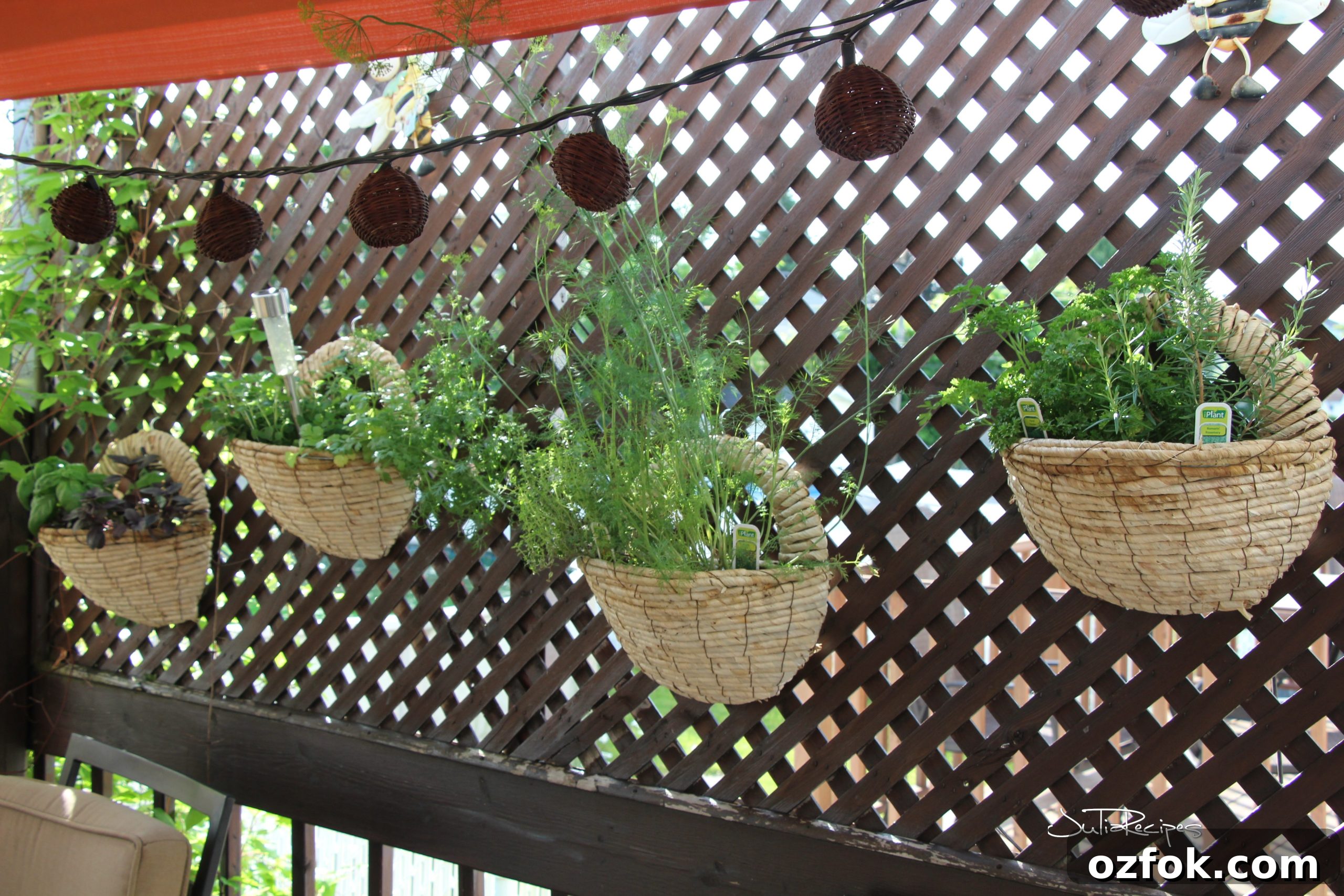
Even in a small apartment you can cultivate a selection of herbs that will brighten everyday meals. A few pots on a sunny windowsill, a railing planter on the balcony, or a small raised bed will give you fresh leaves for cooking, garnishing, and infusing. Below I describe some of my favorite herbs, how to use them in the kitchen, and what they pair well with.
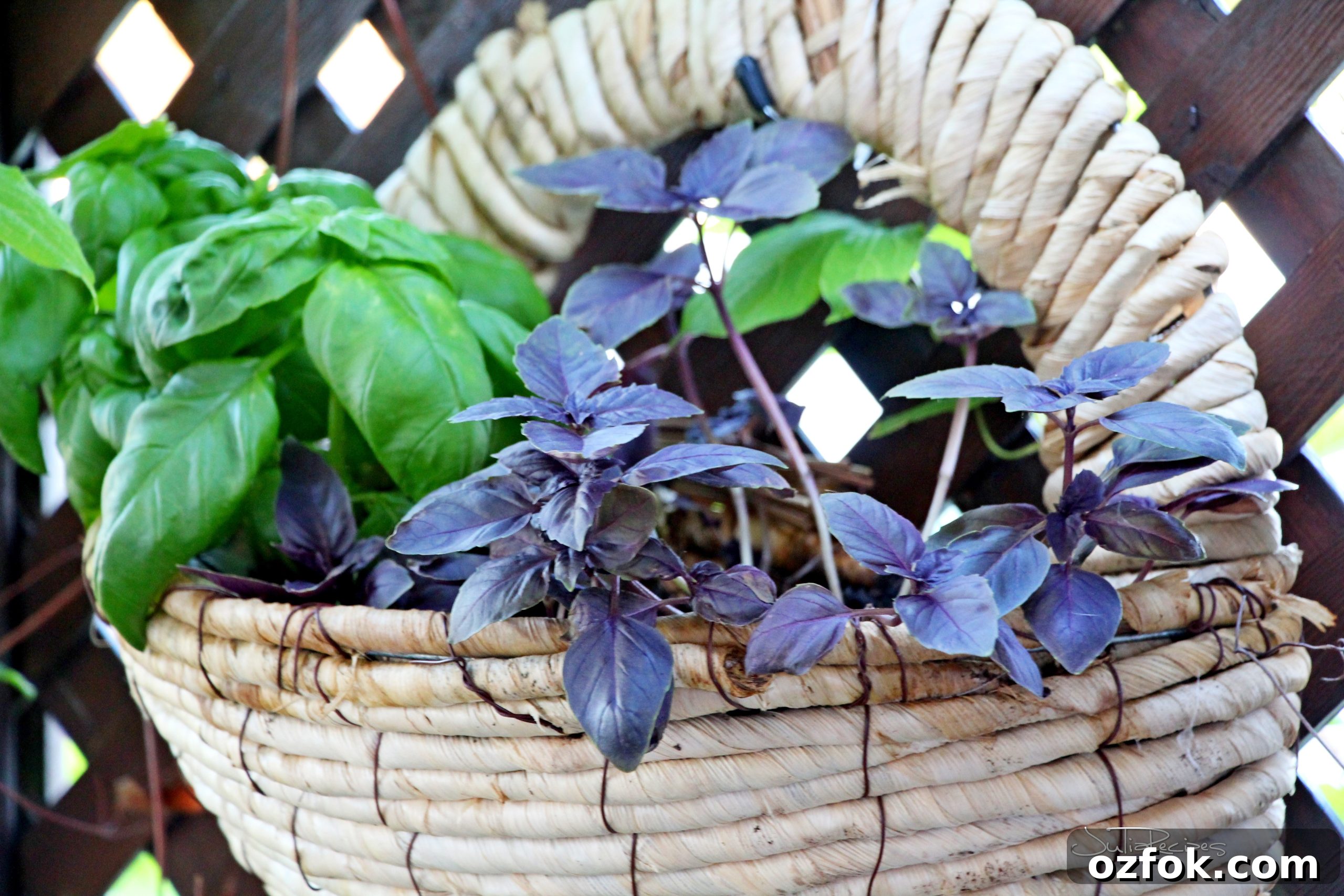
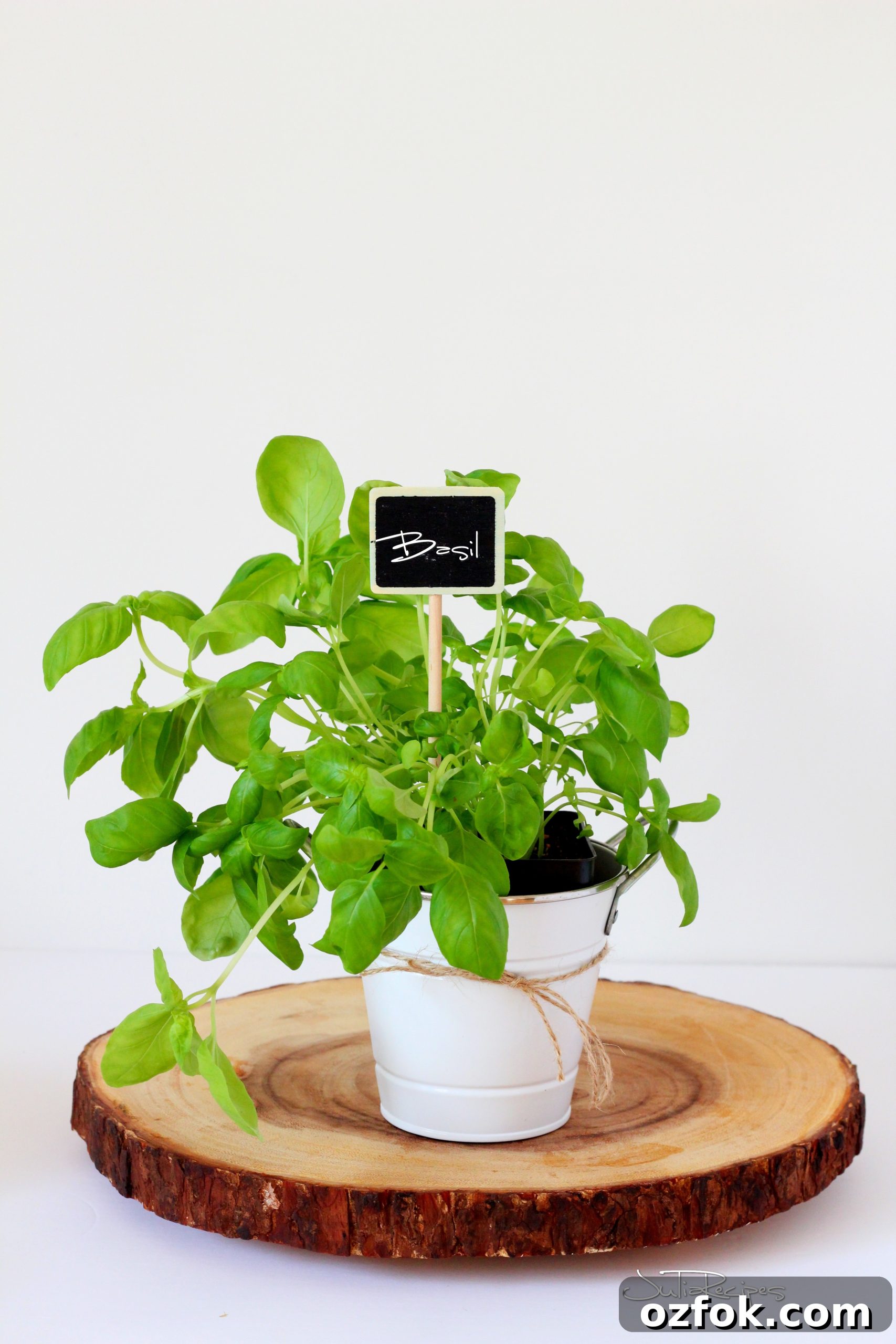
BASIL
Basil is indispensable in Italian cooking and is widely used in many cuisines. When adding basil to cooked dishes, do so at the very end of cooking to preserve its aroma and flavor. Fresh basil complements pasta, pork, tomatoes, cheeses, cucumbers, fish, lamb, and even watermelon in salads.
Excellent pairing with
- Pasta
- Pork
- Tomatoes
- Watermelon
- Cheese
- Cucumber
- Fish
- Lamb
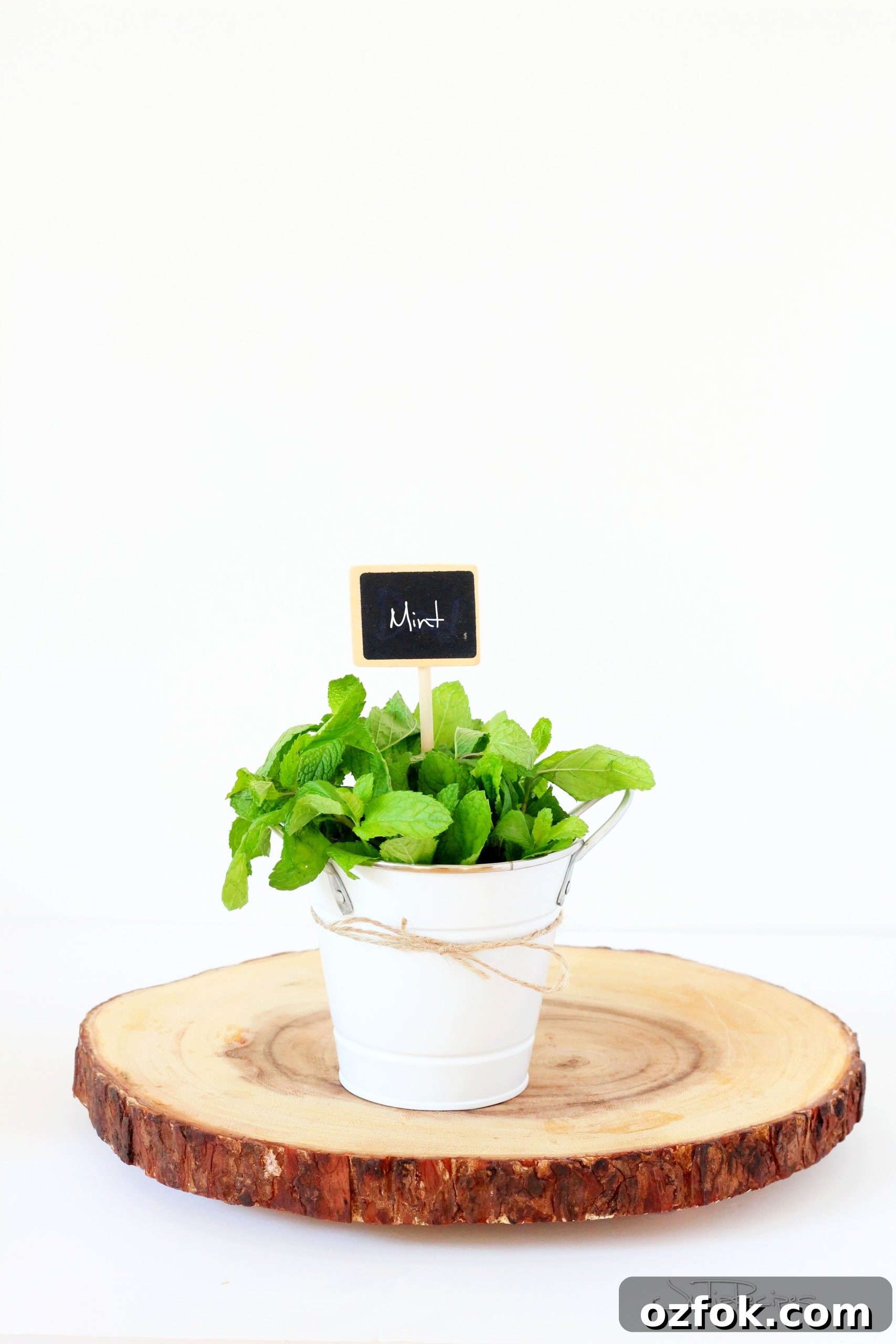
MINT
Mint has an intense, refreshing aroma that brightens both savory and sweet dishes. It’s perfect for summer cocktails, herbal teas with honey, fruit salads, lemonades, and as a finishing touch on hummus or desserts. Use mint fresh for the best flavor.
Excellent pairing with
- Watermelon
- Strawberries
- Green peas
- Peach
- Lamb
- Blueberries
THYME
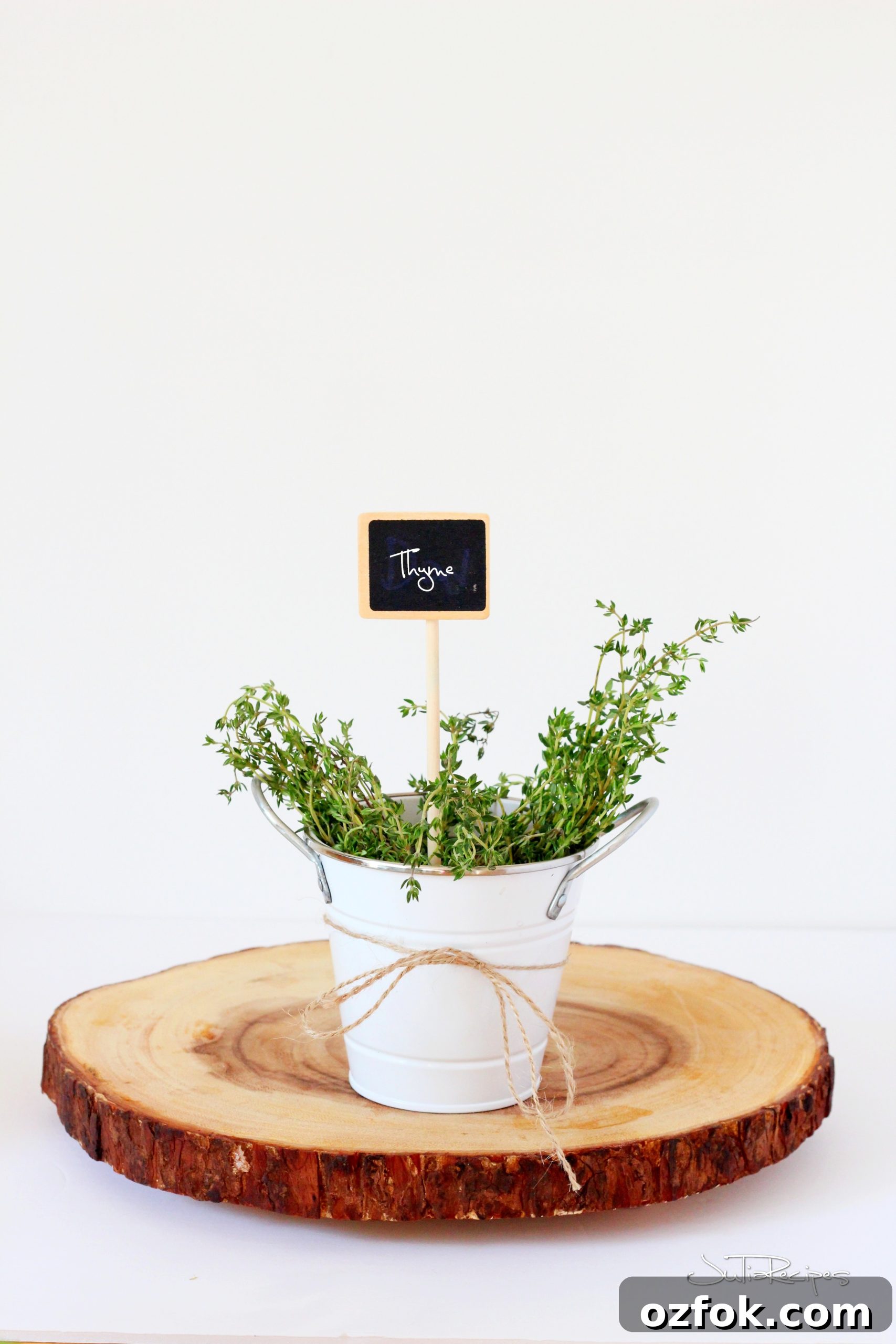
Thyme brings an earthy, savory note to cooked dishes and holds up well during long cooking times. Its pronounced flavor makes it ideal for stews, roasts, mushrooms, poultry, pork, beef, and game. Add thyme early in slow-cooked recipes so its aroma has time to develop.
Excellent pairing with
- Beef
- Bread
- Carrots
- Cheese
- Eggs
- Fish
- Grapes
- Mushrooms
- Pork
- Poultry
ROSEMARY
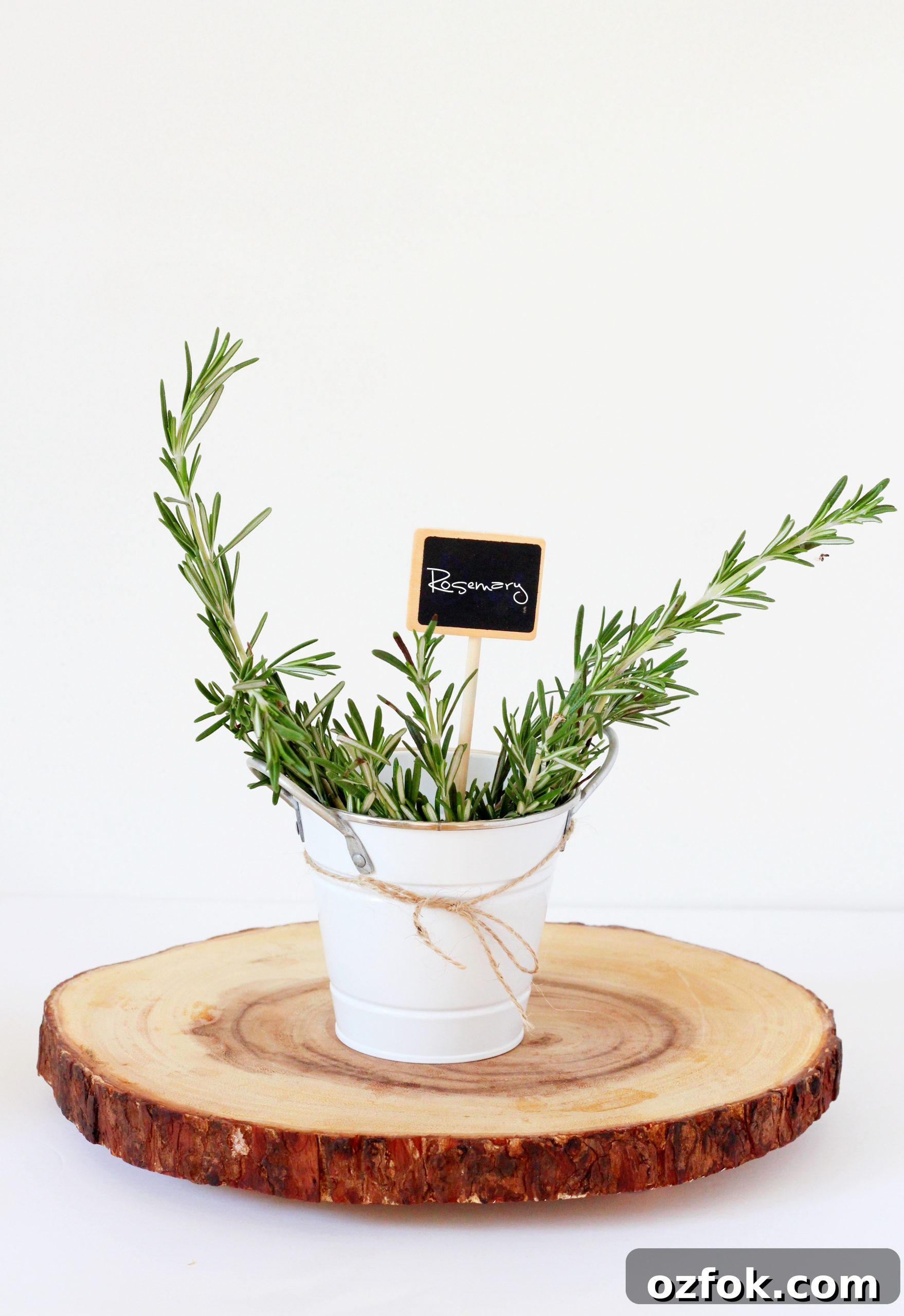
Rosemary is known for its needle-like leaves and woody fragrance. It pairs wonderfully with roasted meats, root vegetables, and stuffing. Try rosemary with roasted sweet potatoes for a lovely earthy aroma. Rosemary also works well with cheeses, fish, and lamb.
Excellent pairing with
- Cheese
- Cucumber
- Fish
- Lamb
CILANTRO (Coriander)
Cilantro, also called coriander, has a bright citrusy overtone and is a staple in Mexican, Southeast Asian, and Latin American dishes. Use cilantro fresh in guacamole, salsas, salads, atop soups, or in fruit salsas like mango salsa. Cilantro loses flavor quickly when dried or frozen, so use it fresh when possible.
Excellent pairing with
- Beef
- Fish
- Prunes
- Pork
- Poultry
- Tomatoes
Using more herbs increases flavor and can reduce the need for added salt. Fresh herbs brighten both taste and presentation, making meals more appealing and often healthier.
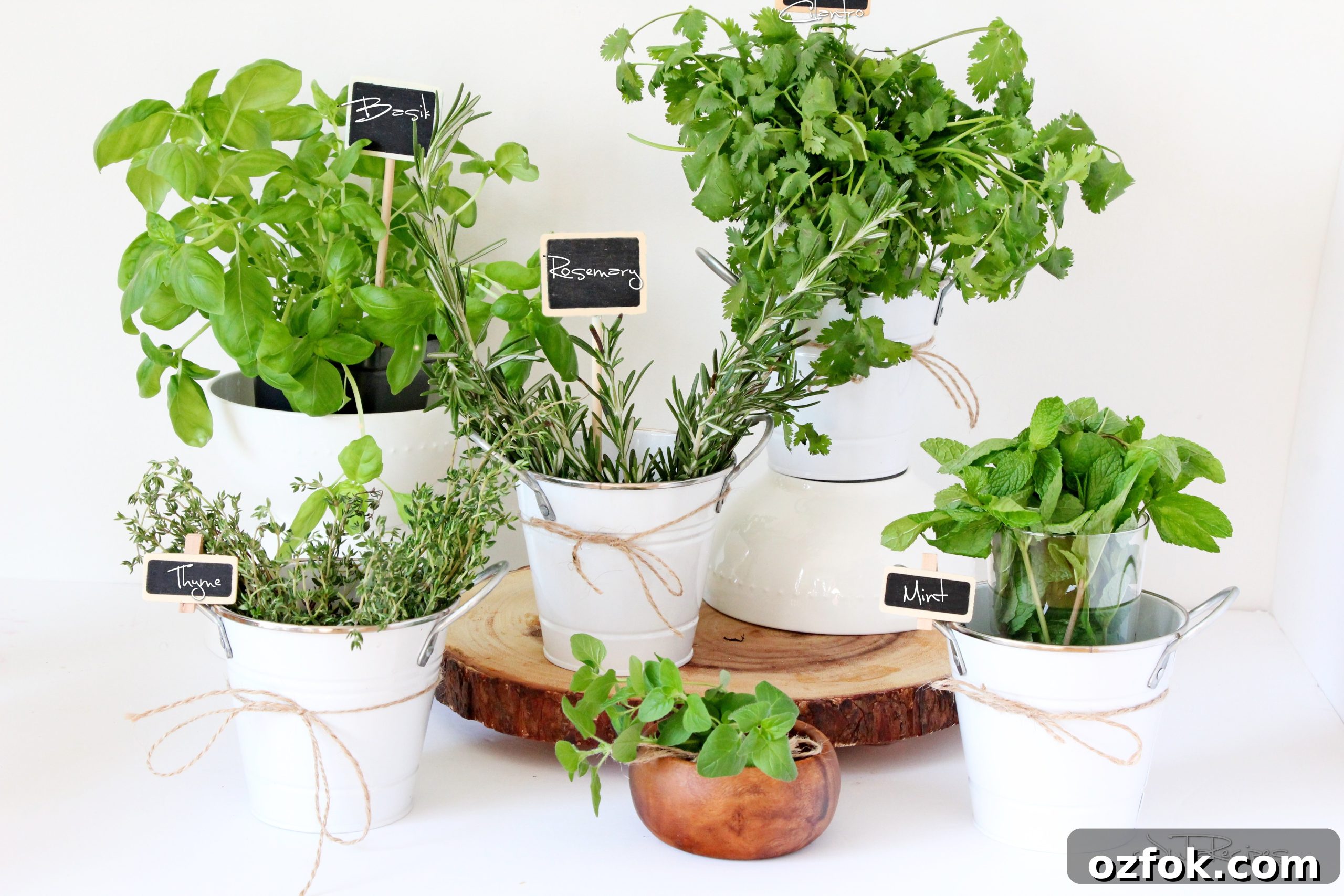
HOW TO KEEP YOUR HERBS LOOKING FRESH LONGER
Fresh cut herbs
- Choose herbs that look freshly cut and vibrant.
- Remove plastic packaging.
- Place stems in a glass of water like a bouquet.
- Keep them in a bright spot but out of direct sunlight.
- If you buy herbs in a pot, replant them promptly to extend their life.
PLANNING YOUR HERB GARDEN
1. Choosing a location
Most culinary herbs need plenty of sunlight and well-drained soil. Look for a spot that receives at least six hours of sun and drains well. Convenience matters too—placing your herbs near the kitchen or door makes harvesting easier.
2. Preparing the soil
Prepare the soil by adding compost to sandy or clay-heavy ground. Even good soil benefits from some compost for nutrients. Avoid high-nitrogen manures in herb beds; they can encourage rapid leafy growth at the expense of flavor.
3. Planting and care
Herbs can be started from seed or planted as young plants. Pots are practical for small spaces; ensure good drainage and use quality potting mix. Water about 2 inches per week and harvest frequently—regular pruning encourages fuller growth and more harvestable foliage. At season’s end, dry or freeze surplus herbs to enjoy year-round.
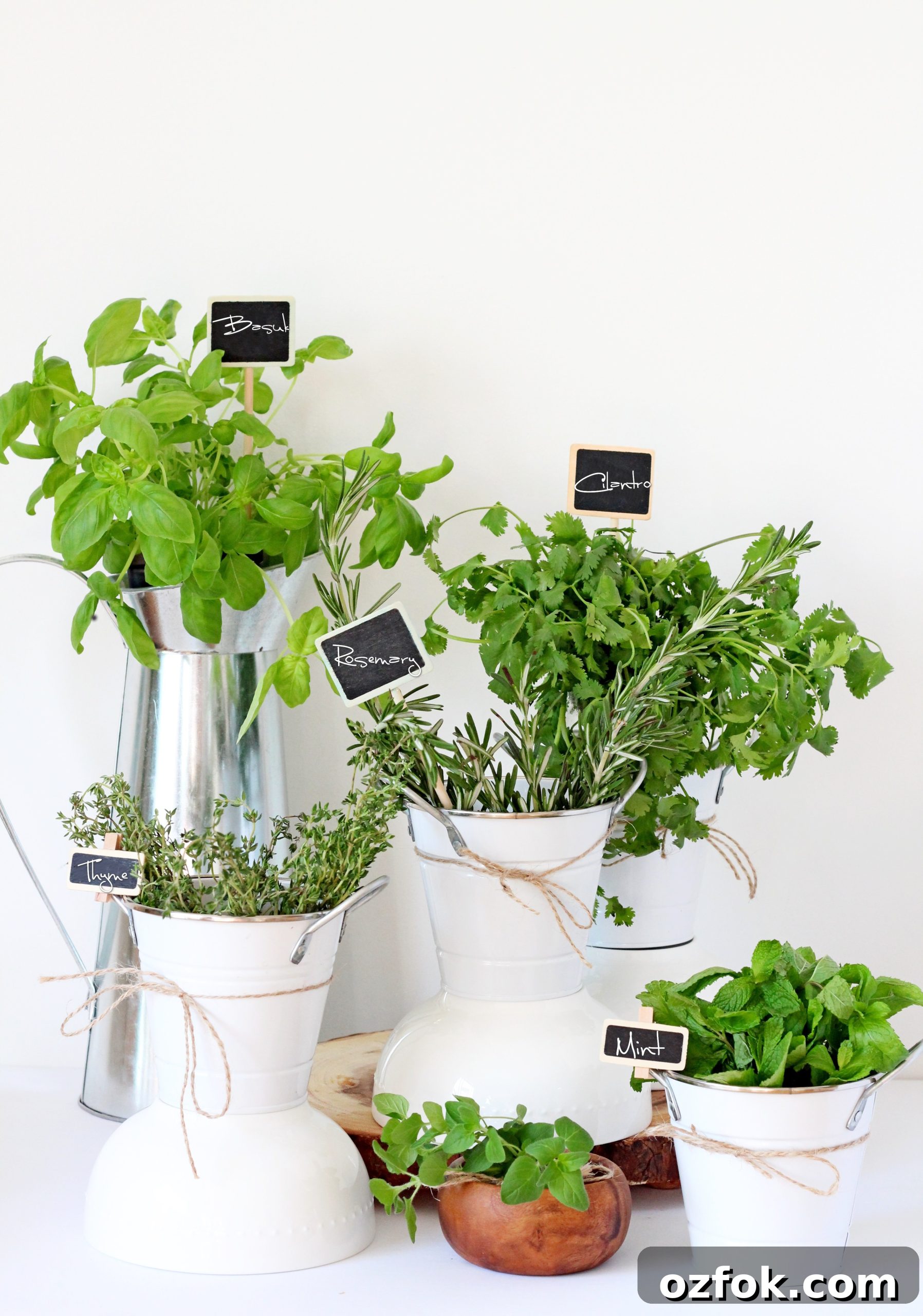
GROWING HERBS IN CONTAINERS OR POTS
Choose containers with good drainage. Terra cotta is ideal, but plastic, wood, or metal work if you add drainage holes. Plant herbs individually or combine compatible varieties in one container, taking care not to overcrowd. For outdoor pots you plan to move indoors in winter, consider lighter fillers like Styrofoam pellets to reduce weight. Fill pots with quality potting mix, leaving space for watering, and fertilize lightly during the growing season.
LET’S PLANT
Start containers with a layer of stones, gravel, or lightweight filler in the bottom to aid drainage. Fill with potting soil to about 2 inches below the rim. Most herbs need only modest fertilization, but potted plants benefit from occasional feeding and consistent watering.
I hope this guide inspires you to start a herb garden. If you buy established plants, results are almost immediate. Now, as the warm season approaches, is a great time to begin. Enjoy your herb-filled garden.
Disclosure: Some links in the original post may have been affiliate links. I mention products or brands based on their usefulness and not solely for any commission. The choice to purchase is entirely yours.