Intermittent fasting has surged in popularity, and one common pattern people try is 18/6 intermittent fasting. Advocates point to benefits such as weight loss, reduced inflammation, and improved cognitive function — but how accurate are these claims, and how should you begin if you want to try it?
Starting any new nutrition plan can feel overwhelming. There are many fasting methods and mixed messages, so it’s normal to be unsure where to begin. I went through the same uncertainty when I first tried intermittent fasting a few years ago.
Once you learn the basics, intermittent fasting becomes much easier to manage. This article provides a straightforward overview of the 18/6 method: what it is, how it works, potential benefits, who should avoid it, how to start safely, how to manage hunger, and what to eat during your eating window.
Note: this content is for informational purposes only and is not medical advice. Talk with your healthcare provider before making changes to your diet or trying a fasting protocol.
Jump To:
What is intermittent fasting 18/6?
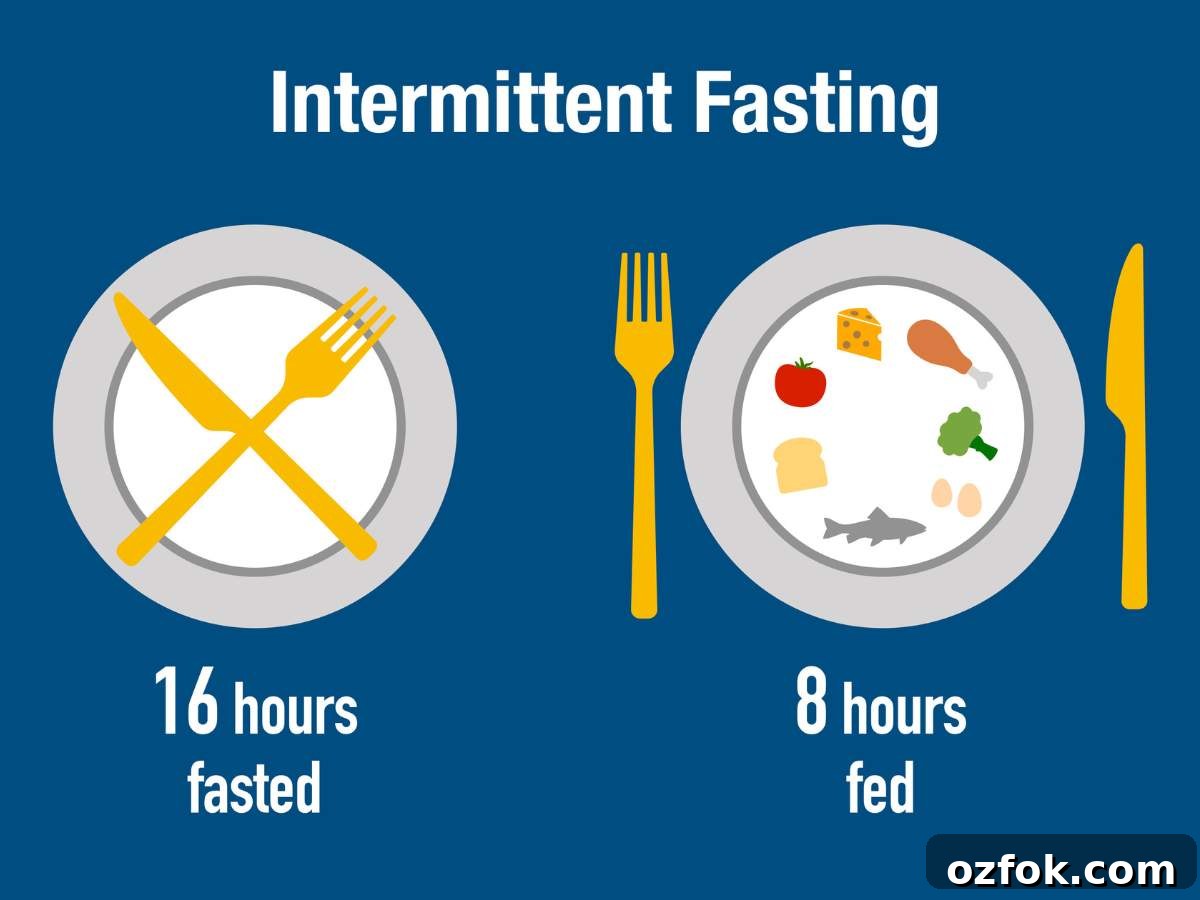
18/6 intermittent fasting is a form of time-restricted eating where you fast for 18 hours each day and consume your daily calories within a 6-hour window. For example, if your first meal is at noon, your eating window would be 12:00–18:00.
Some people choose to consume non-caloric beverages such as black coffee, plain tea, or bone broth during the fasting window; others include small amounts of fats like those in bulletproof coffee. These choices depend on personal goals and how strictly you want to maintain a fasted state.
How Does 18-Hour Intermittent Fasting Work?
The body normally relies on carbohydrates for energy. When carbohydrate intake is limited for extended periods, the body shifts to burning stored fat and produces ketones as an alternative fuel source. This metabolic shift supports fat loss for many people.
Restricting the daily eating window can also reduce total calorie intake, simply because there’s less time available to eat. However, weight loss still depends on the overall balance of calories consumed versus calories burned and the quality of the foods you choose during your eating window.

What Are The Potential Benefits of Intermittent Fasting 18/6?
Research and clinical observations have linked intermittent fasting to several potential benefits, though responses vary by individual:
- Weight loss: Shortening the eating window can lead to reduced calorie intake and increased fat utilization, which often produces weight loss in overweight and obese adults.
- Improved insulin sensitivity: Weight loss and periods of fasting may help lower fasting glucose and insulin levels, supporting better metabolic health and reduced diabetes risk.
- Brain health: Some animal studies and early human research suggest fasting may support brain resilience and reduce risk factors associated with neurodegenerative disease, though more human research is needed.
- Cardiovascular benefits: Intermittent fasting has been associated with improvements in blood pressure, lipid profiles, and other markers tied to heart disease risk.
- Reduced cravings: Fasting can affect hunger hormones such as ghrelin, which may decrease sugar cravings for some people.
- Lower inflammation: Some studies indicate that fasting can lower markers of inflammation and may benefit chronic inflammatory conditions without impairing normal immune responses.
Who Shouldn’t Do Intermittent Fasting?
Intermittent fasting is not appropriate for everyone. Consult your healthcare provider before starting, especially if you fall into any of these groups:
- Children and adolescents under 18, and older adults over 65
- Pregnant or breastfeeding people
- Individuals with type 1 diabetes or certain metabolic conditions
- People taking medications for blood pressure or diabetes
- Those who are underweight or struggling to gain weight
- Anyone with a history of disordered eating
Always get personalized medical advice before beginning a fasting regimen.
How to Start 18/6 Intermittent Fasting?
If your doctor approves, follow a gradual approach to make the transition smoother and more sustainable.
Jumping immediately into an 18-hour fast can be jarring. A safer, more comfortable path is to move progressively through shorter fasting windows until you reach 18/6.
Step 1: Start Nice and Easy
Begin with a 12/12 schedule — fasting 12 hours and eating during the other 12. Eat three balanced meals spaced at least four hours apart and avoid snacking. If that feels challenging, start with an 8-hour eating window and increase gradually. Some people find it helpful to practice time-restricted eating on specific days (for example, three days per week) before committing to daily fasting.
Step 2: Extend Your Fast
After a week or more at 12/12, extend the fasting period to 14/10, then 16/8, and finally to 18/6 as your body adjusts. Consistency helps: pick an eating window (for example, 11:00–17:00) and try to keep it steady each day.
Step 3: Adjust Accordingly
Expect some trial and error. You may find OMAD (One Meal a Day), alternate-day fasting, or a different schedule works better. Listen to your body and be willing to adapt.
How to Manage Hunger While on IF?
Hunger is a normal part of adapting to fasting. If you experience lightheadedness, severe dizziness, or persistent anxiety, reduce your fasting window and consult your healthcare provider. When hunger strikes, drink water or herbal tea, take a short walk, or redirect your attention to an activity. Avoid relying on diet sodas or artificial sweeteners consistently, as they may affect appetite and metabolic responses for some people.
Be flexible: it’s fine to pause or modify fasting for special occasions, illness, or times when your body needs extra calories. Fasting should be a tool you control, not something that controls your well-being.

What Should You Eat While Intermittent Fasting?
While intermittent fasting focuses on when you eat, food quality still matters. Aim to nourish your body with nutrient-dense foods during the eating window and avoid consistently overeating.
- Fruits: Include low–glycemic fruits like apples, pears, berries, and peaches to provide vitamins and fiber without sharp blood sugar spikes.
- Vegetables: Eat several cups of vegetables daily, including leafy greens, cruciferous vegetables, roots, and a variety of colors to maximize nutrients.
- Whole grains: Choose whole grains for fiber and sustained energy, especially if they fit your personal tolerance and goals.
- Protein: Prioritize high-quality protein from meat, poultry, fish, eggs, dairy, legumes, tofu, nuts, and seeds. Protein supports satiety and muscle maintenance.
- Healthy fats: Include sources such as butter, tallow, lard, avocado, olive oil, and other minimally processed fats to support satiety and nutrient absorption.
- Hydration: Drink plenty of water throughout the day. Fruit-infused water or lemon water adds flavor with minimal calories.
- Manage cravings: Limit highly processed, empty-calorie foods. Notice how different foods affect your energy and appetite and make choices that support your goals.
Final Thoughts
When approached thoughtfully and under medical guidance, 18/6 intermittent fasting can be a useful tool for weight management, improved blood sugar control, and reduced risk factors for chronic disease. Start slowly, monitor how you feel, and adjust to fit your lifestyle and health needs. If you decide to try it, work with a healthcare professional and prioritize whole, nutrient-dense foods during your eating window.
If this overview was helpful, consider sharing it with someone who is curious about intermittent fasting.