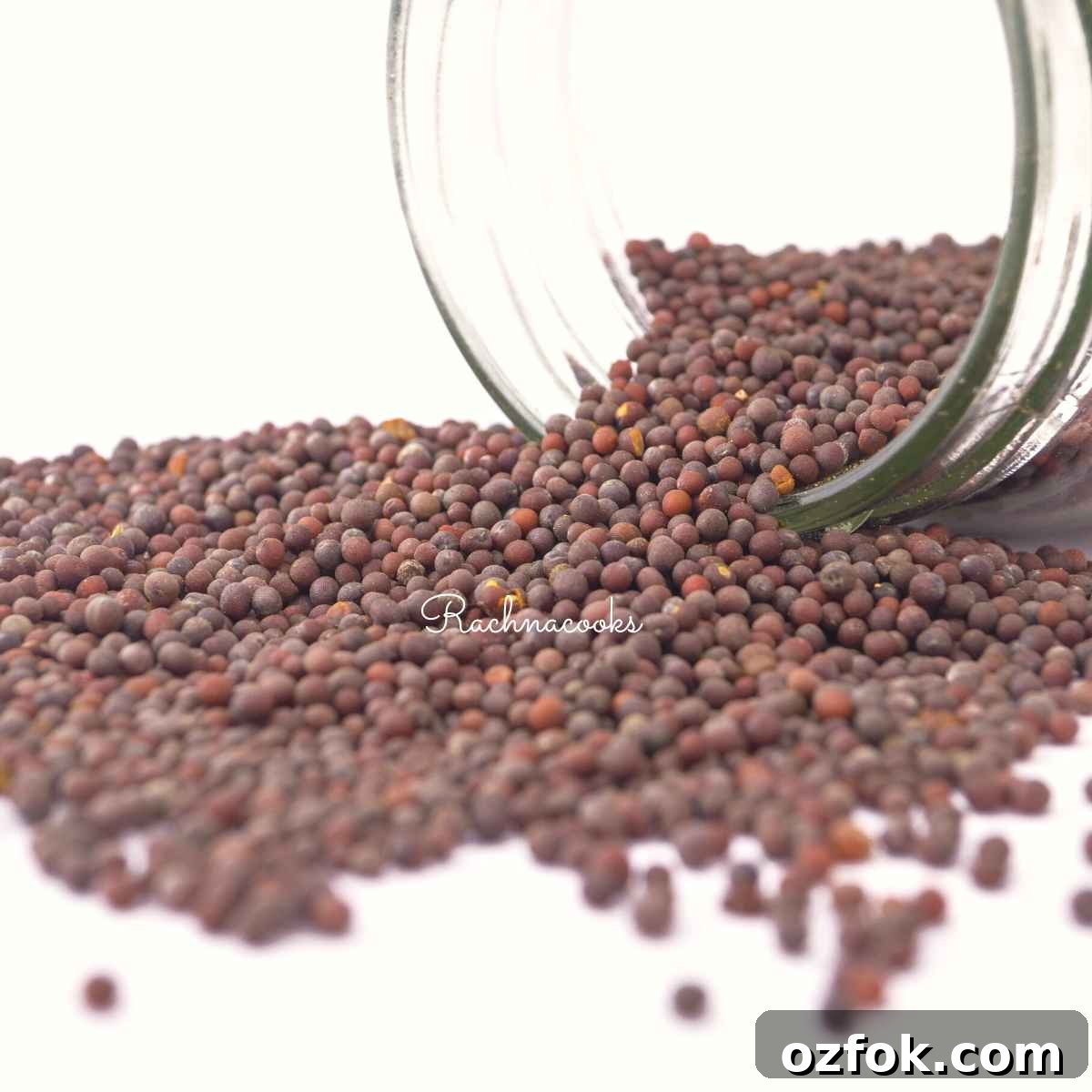
Mustard seeds are essential in Indian and Southeast Asian kitchens. This article outlines effective substitutes for black mustard seeds and how to use them.
These small seeds are commonly used as a spice, especially for tempering dals, curries, rice dishes and pickles. They are typically sputtered in hot oil first to tame their bitterness and release their aroma.
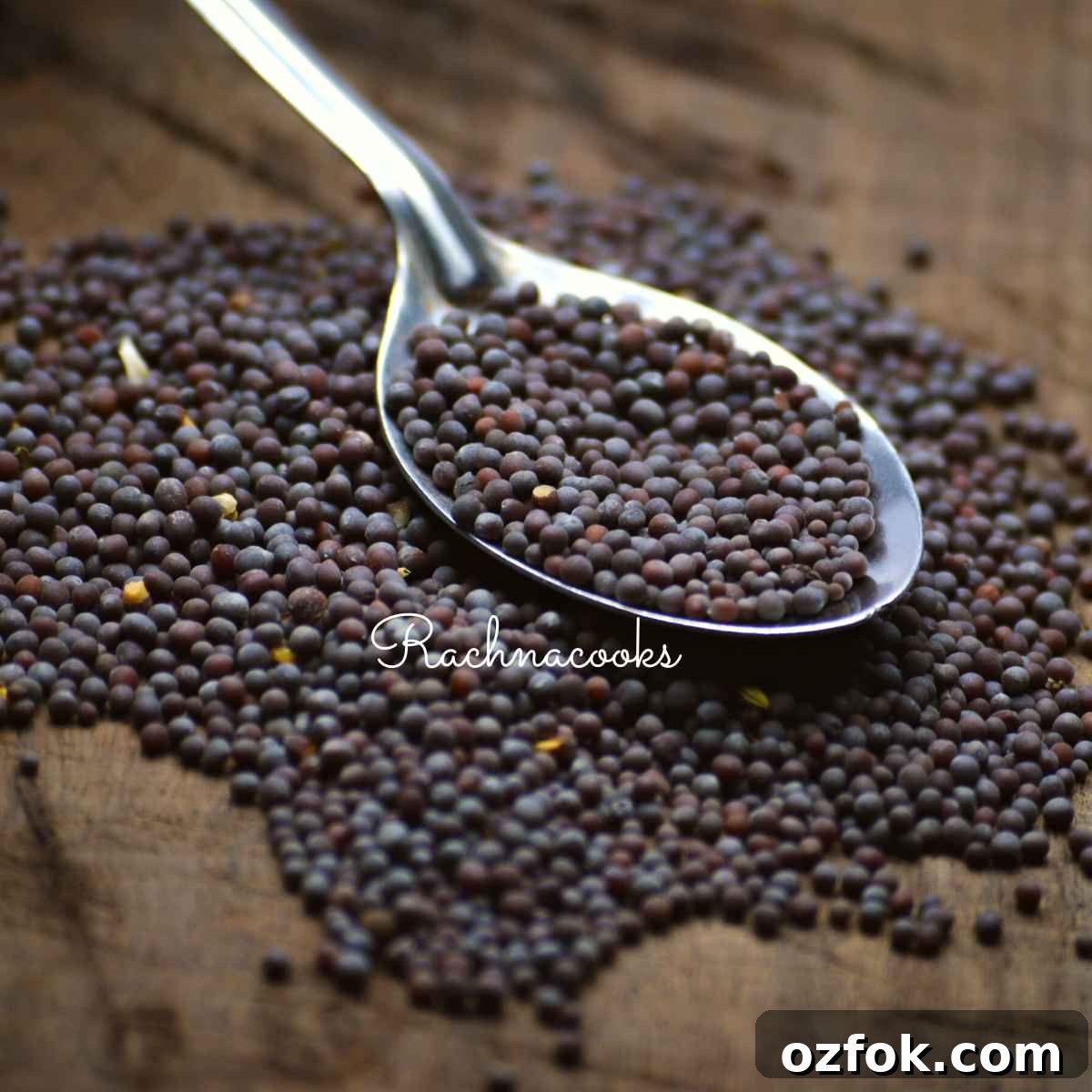
When heated or left to mature in pickles, mustard seeds develop a pleasantly sour and slightly pungent note, which is why they are widely used in pickling. Mustard oil, pressed from the seeds, is also a staple in many regional cuisines for both cooking and massage.
What are Black Mustard Seeds?
Black mustard seeds are the small, round seeds of the mustard plant known for their sharp, pungent flavor. They are rarely eaten raw because of their intense bitterness and are usually cooked or tempered to mellow and develop flavor.
If you run out of black mustard seeds, there are several practical substitutes that will reproduce similar heat, pungency or texture depending on the dish you are preparing.
Best Substitutes for Black Mustard Seeds
1. Brown Mustard Seeds
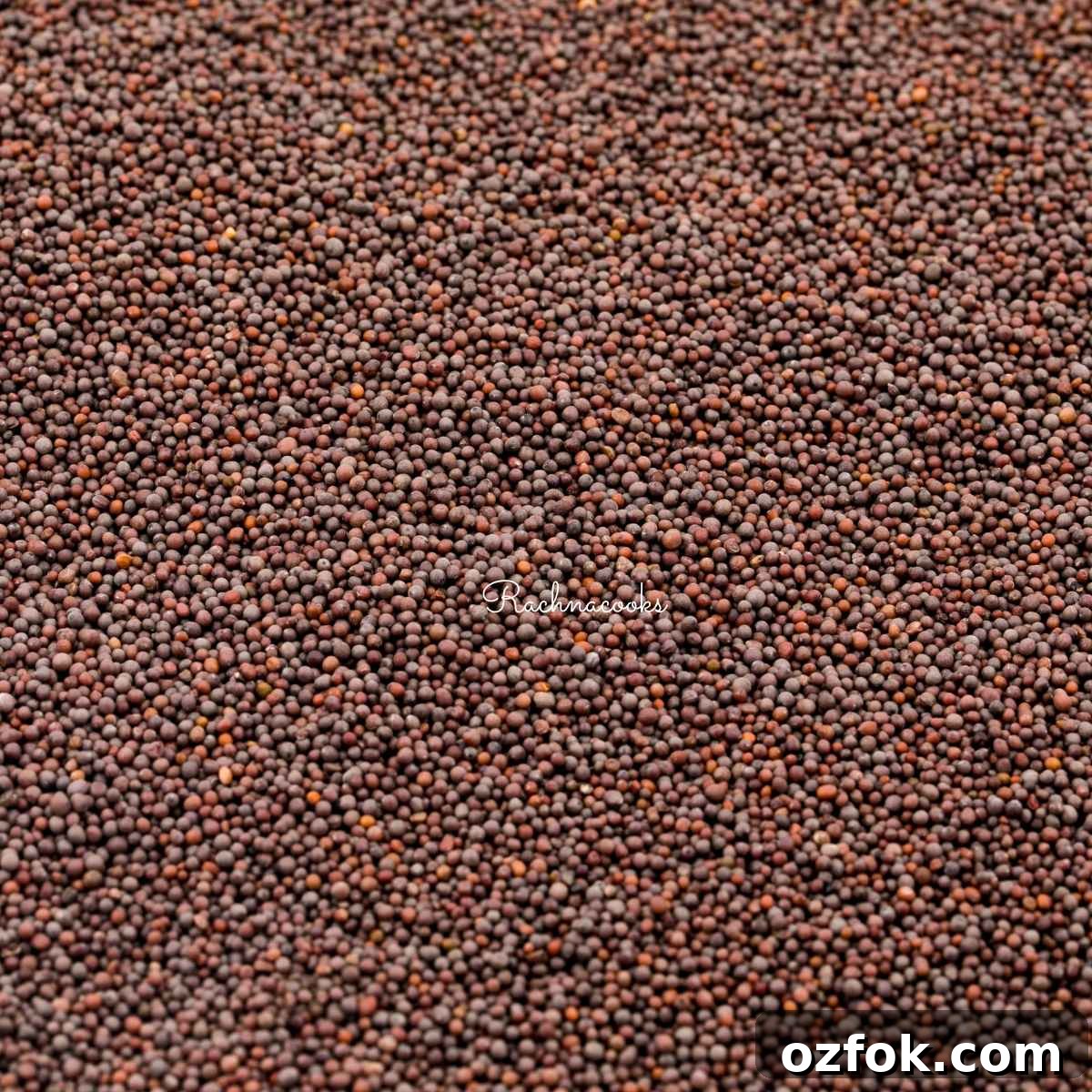
Brown mustard seeds are the closest substitute in flavor and texture. Slightly milder than black mustard seeds, they offer comparable pungency and nuttiness and can be used interchangeably for tempering, pickles and curries.
2. Yellow Mustard Seeds
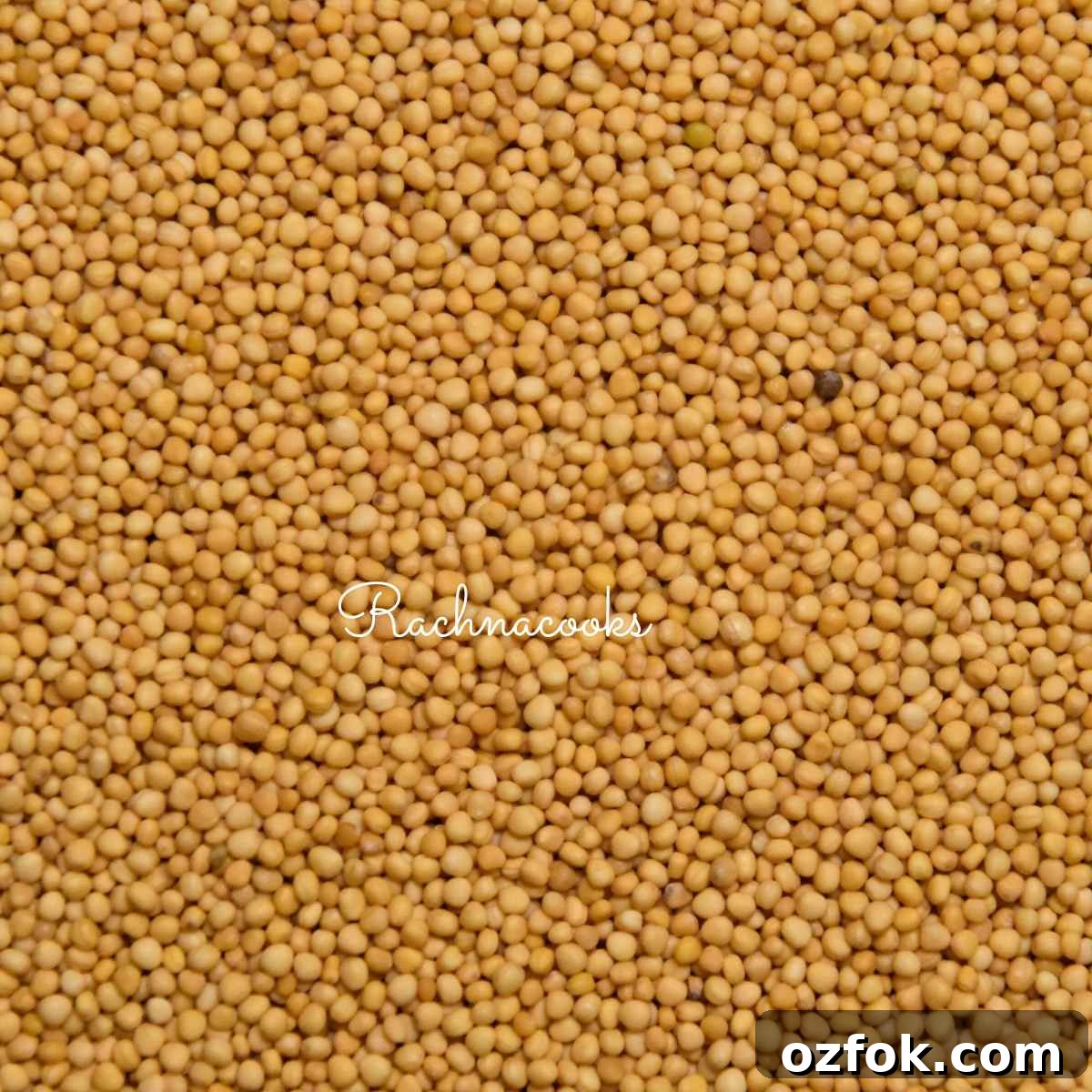
Yellow (or white) mustard seeds are milder and less pungent. They work well where a gentler mustard flavor is desired. You may need to use a larger quantity to approach the intensity of black mustard seeds, but they are a good choice for milder pickles, dressings and everyday cooking.
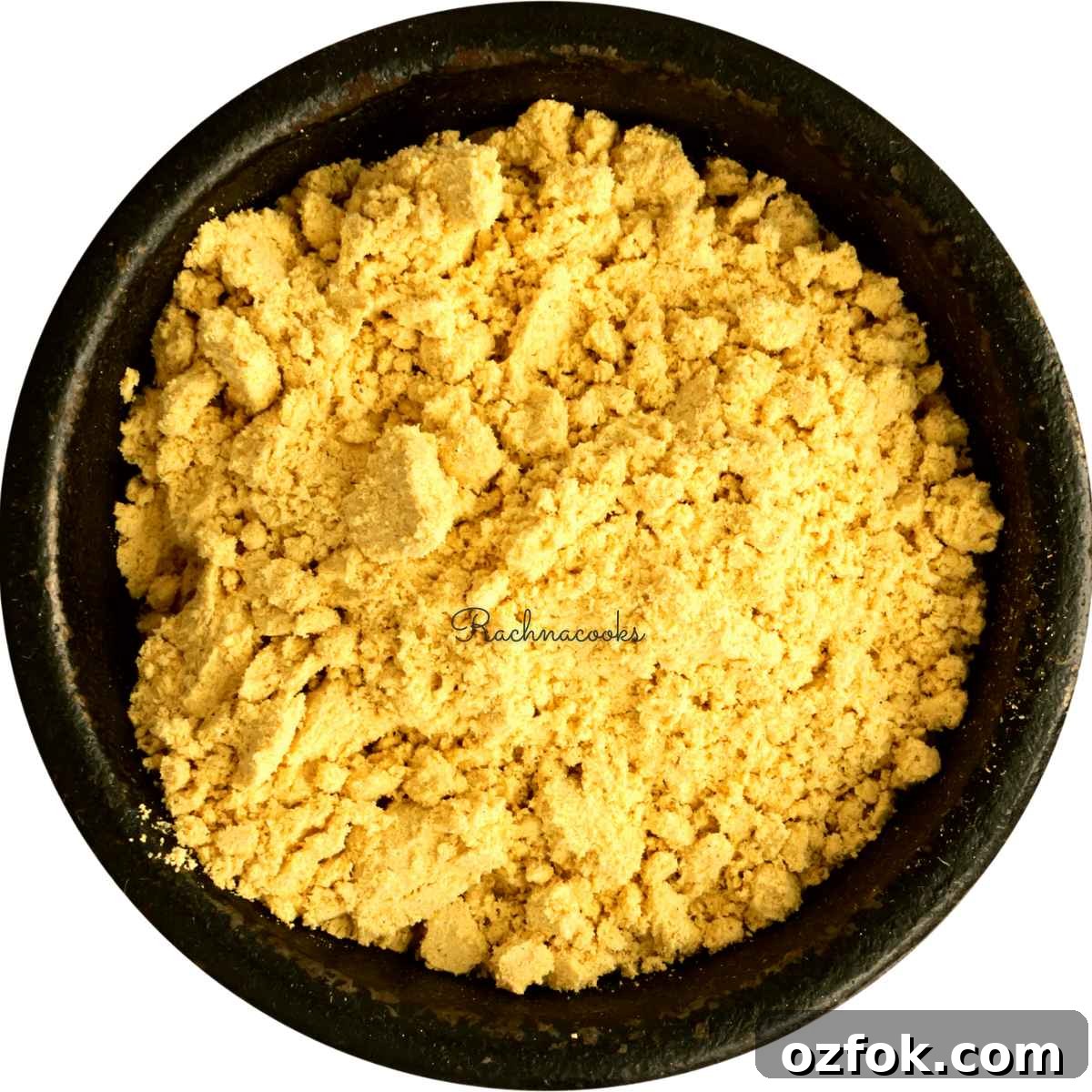
3. Mustard Powder
Ground mustard (mustard powder) retains the same flavor profile as whole seeds and can replace them in many recipes. It blends easily into sauces, marinades and dressings. As a guideline, use about half a teaspoon of mustard powder for every teaspoon of whole black mustard seeds called for in a recipe.
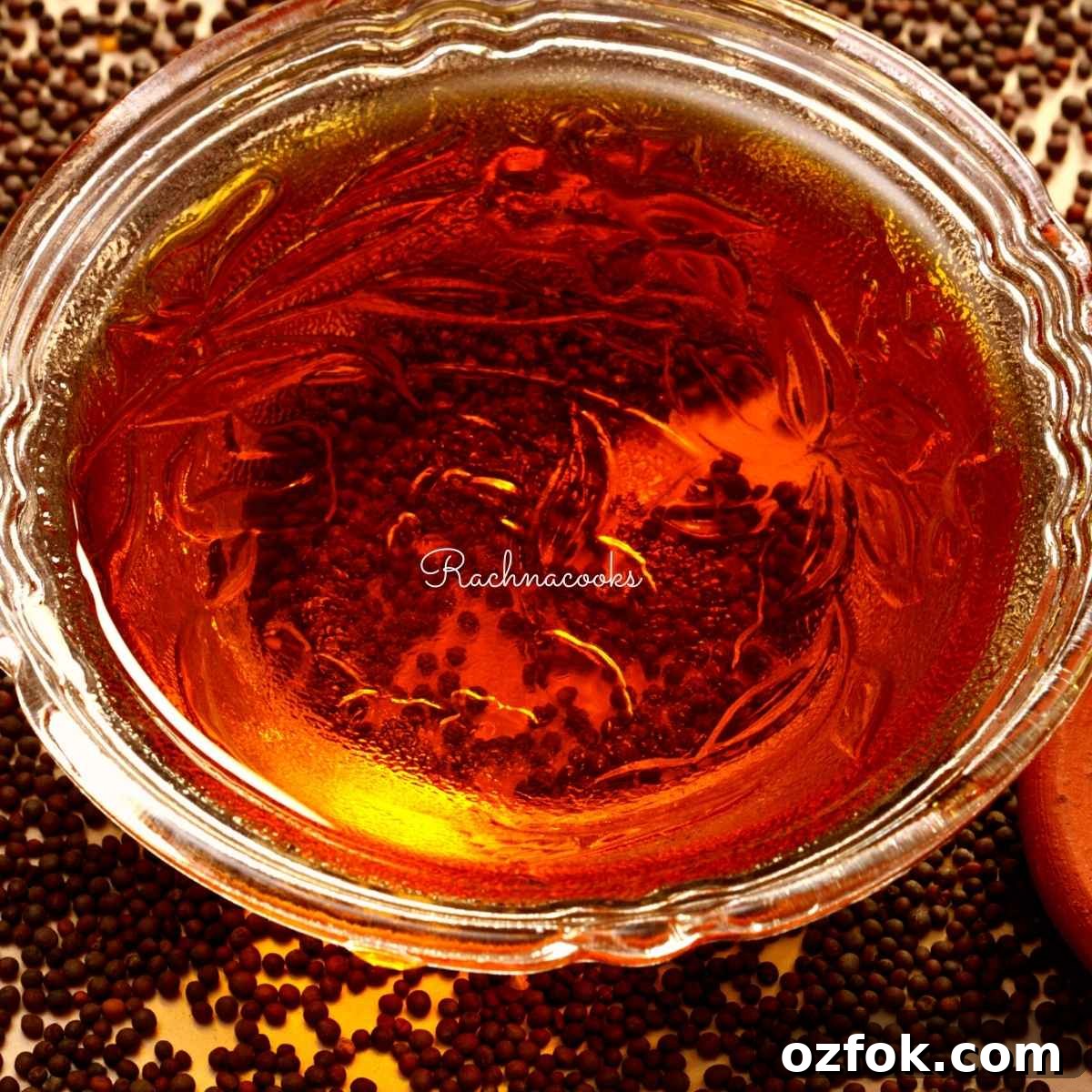
4. Mustard Oil
Cold-pressed mustard oil delivers the sharp, pungent heat of mustard in liquid form. Because it is extracted from the seeds, it imparts a similar flavor when used for cooking or as a finishing touch. Use sparingly, especially if substituting for the flavor boost of tempered seeds.
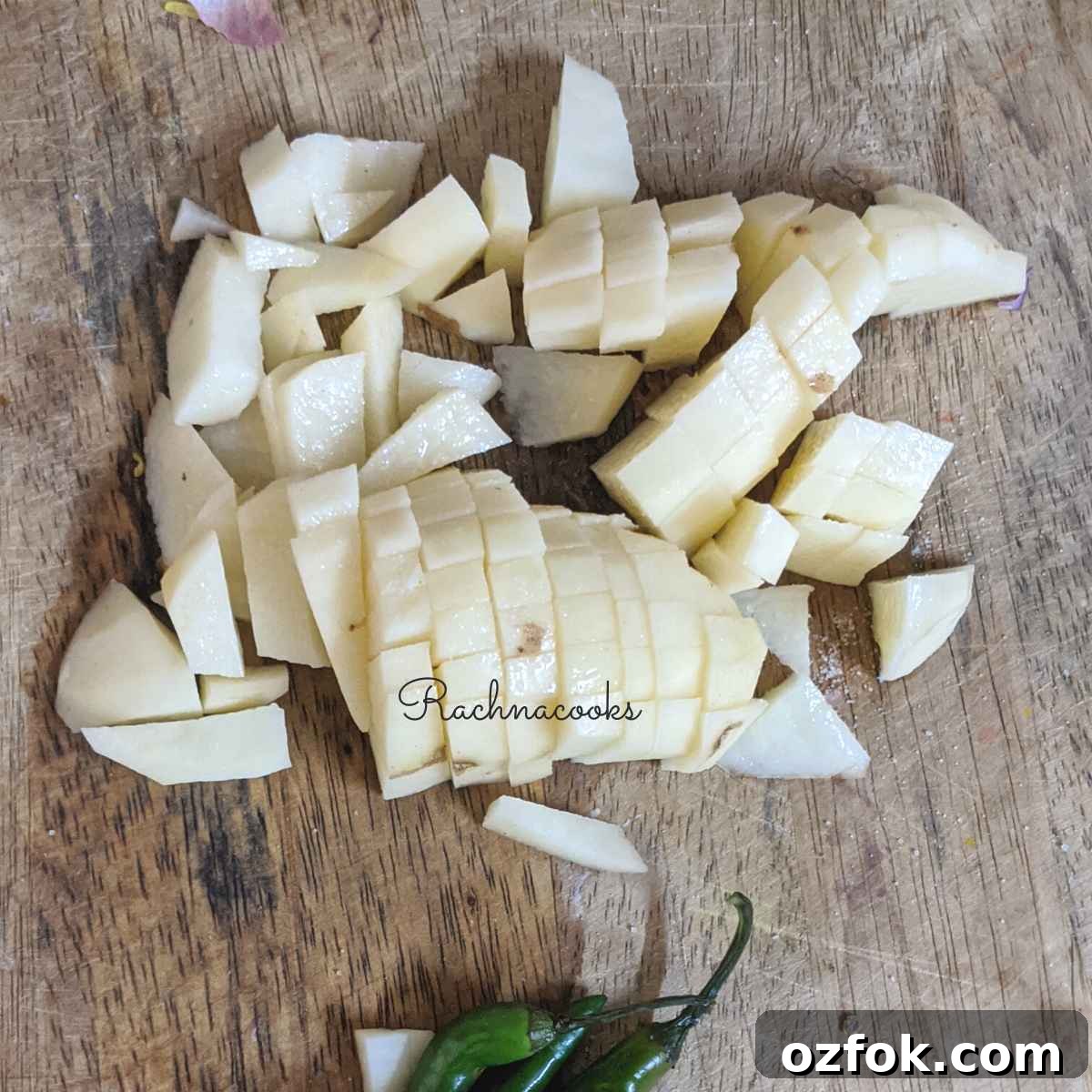
5. Parsnips (or White Radish)
Although not related to mustard, parsnips (and Indian white radish) can offer a mild pungency and woody depth in vegetarian dishes. Sautéed or lightly cooked, they provide a savory layer that can substitute for the smokiness and texture that tempered seeds add—useful in stir-fries or vegetable-based sauces.
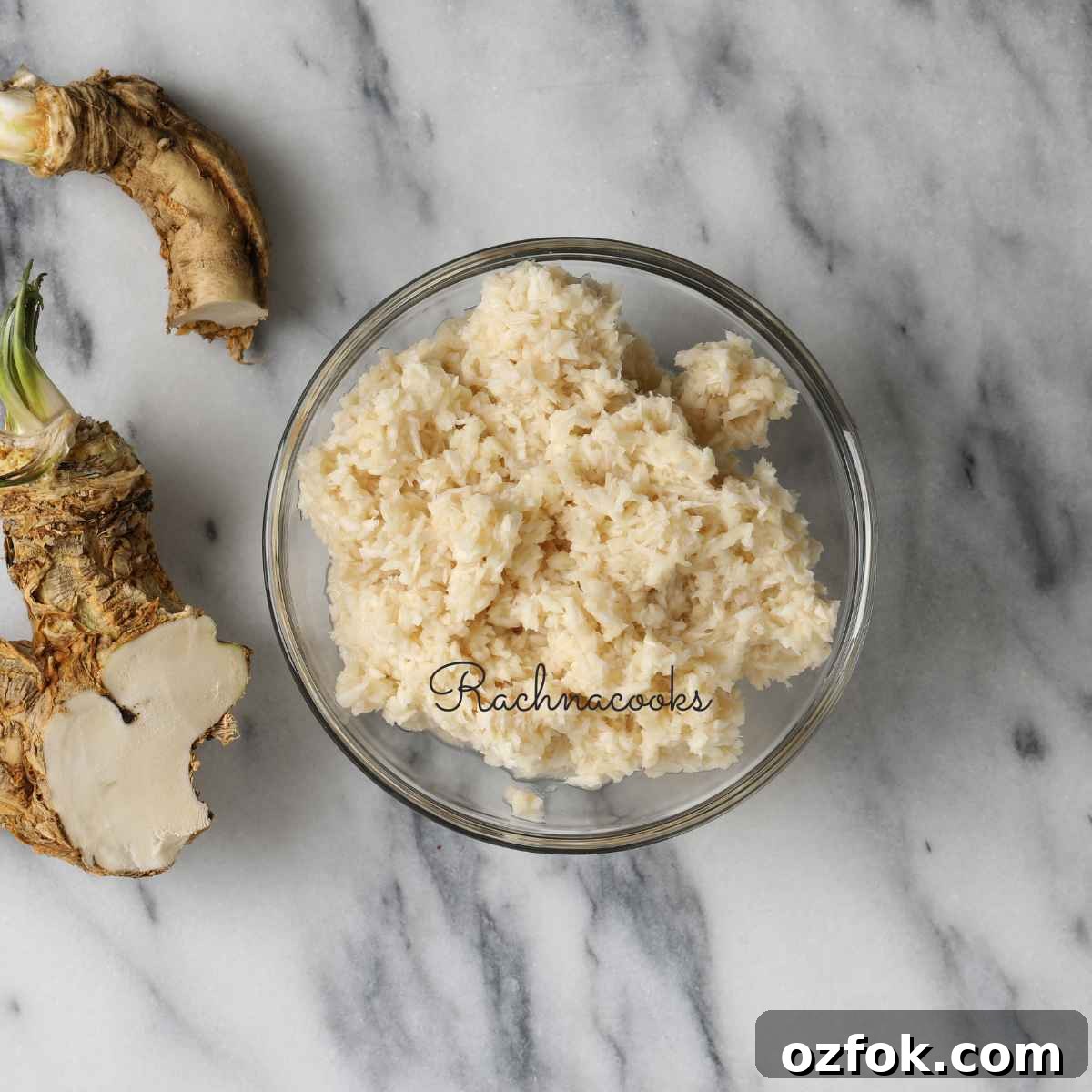
6. Horseradish
Horseradish shares the sharp, pungent heat of mustard and works well in sauces, dips and marinades. It is considerably intense, so use about half the quantity you would use of mustard seeds. Freshly grated horseradish is ideal, but prepared horseradish sauce is an acceptable alternative.
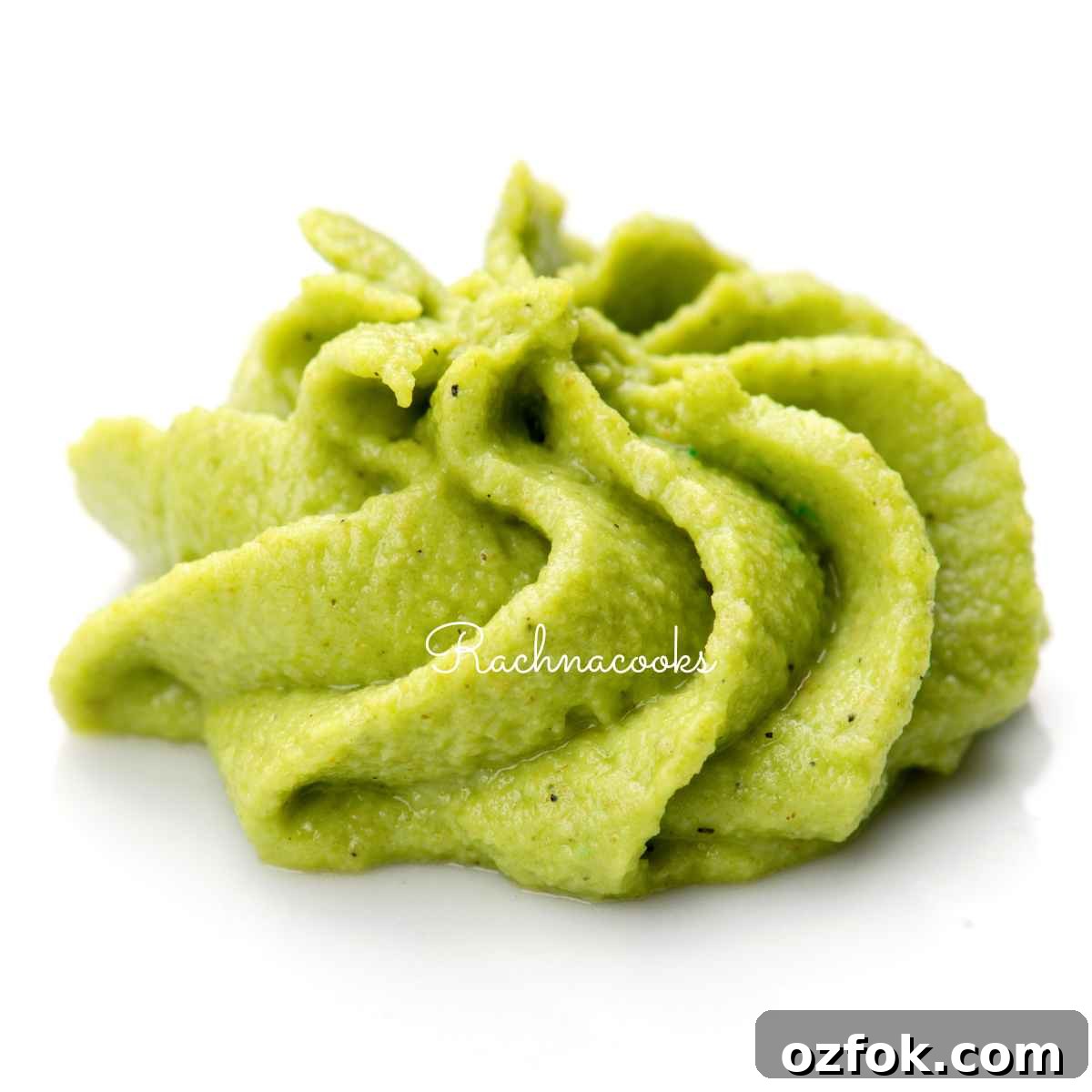
7. Wasabi
Wasabi delivers a sharp, sinus-clearing heat similar to mustard and horseradish. Best used sparingly in dressings, marinades or condiments, start with one-third to one-half the amount you would use of black mustard seeds to avoid overpowering the dish.
In summary, there are several reliable substitutes for black mustard seeds. Brown and yellow mustard seeds or mustard powder are the most direct replacements, while mustard oil, horseradish, wasabi, and even certain vegetables can provide similar pungency or depth depending on the recipe. Adjust quantities to taste and experiment to find the balance that suits your dish.