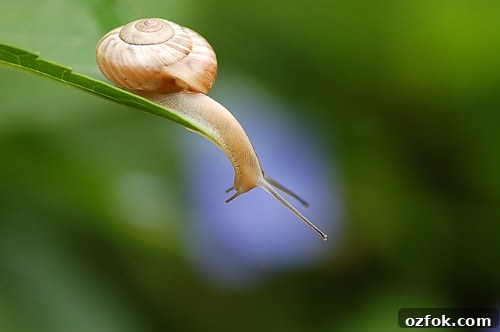
Once you have raised your chilli plants from seed and moved them outside to enjoy the spring sunshine, nothing is more frustrating than watching slugs or snails decimate your crop. In just a few nights these pests can cause extensive damage to chilli plants and many other garden vegetables and ornamentals.
Tell-tale signs of slug and snail damage
The most obvious sign of snail or slug damage is holes in leaves and ragged foliage. These mollusks especially target young, tender growth and often feed around the lower stem. Aside from being unsightly, this damage can seriously impair the future growth and yield of your chilli plants.
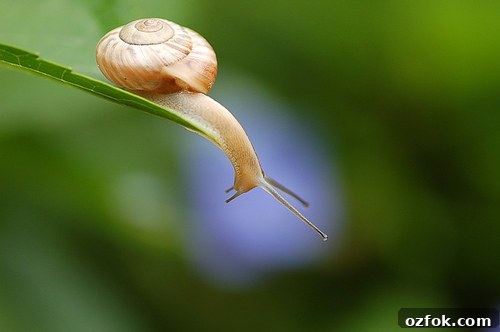
Another unmistakable sign is the slimy trail slugs and snails leave behind. These trails can reveal their routes and nightly activity, showing how far they travel while foraging.
Both snails and slugs are largely nocturnal, so you’ll rarely find them during the day. They emerge to feed at night when conditions are cooler and more humid — especially after rain — which is why much of the damage happens while gardeners are asleep.
How to get rid of slugs and snails
1) Hand-pick at night – Go out about two hours after sunset with a torch. This is when mollusks are most active. Simply collect and remove any you find. You can relocate them out of the garden or dispose of them if you prefer.
2) Create barriers – Slugs and snails dislike crawling over certain materials such as copper, crushed eggshells or coarse gravel. Forming a ring around vulnerable plants with one of these materials can deter them and protect young seedlings.
3) Encourage natural predators – Frogs, hedgehogs and many bird species eat slugs and snails. Attracting these predators by adding a small pond, providing shelter for hedgehogs and creating bird nesting or feeding sites helps control mollusk populations naturally.
4) Slug and snail traps – Bury a plastic cup or half a bottle so the rim is level with the soil and partially fill it with beer; traditional ales are effective. If beer is not an option, a mix of warm water, sugar and yeast works similarly. The scent draws mollusks into the trap. For good coverage, place about one trap per square meter and position them in shady, damp corners.
5) Chemical options – Pelleted baits can be effective but carry risks for children, pets and wildlife. Birds that consume poisoned slugs may also be affected. If you choose bait, opt for an organic, non-metaldehyde product and use it as a last resort.
6) Nematodes – Beneficial nematodes are microscopic organisms that target slugs while being safe for humans, pets and most wildlife. They are applied mixed with water, ideally after an evening rainfall to reduce evaporation. One application can protect plants for several weeks. The best time to apply nematodes is in late spring when slugs are most active and young plants are vulnerable.
The best approach to control slugs and snails
The most successful strategy combines several methods. Be consistent: hand-pick nightly during active periods, refresh beer traps regularly, maintain physical barriers, and encourage natural predators. Use chemical baits only if necessary and choose safer, organic options where possible. With steady attention and a mix of tactics you can keep mollusk damage under control and protect your chilli crop.
If you have additional tips or experiences controlling slugs and snails, please share them in the comments below.