YouTube Shorts for This Episode
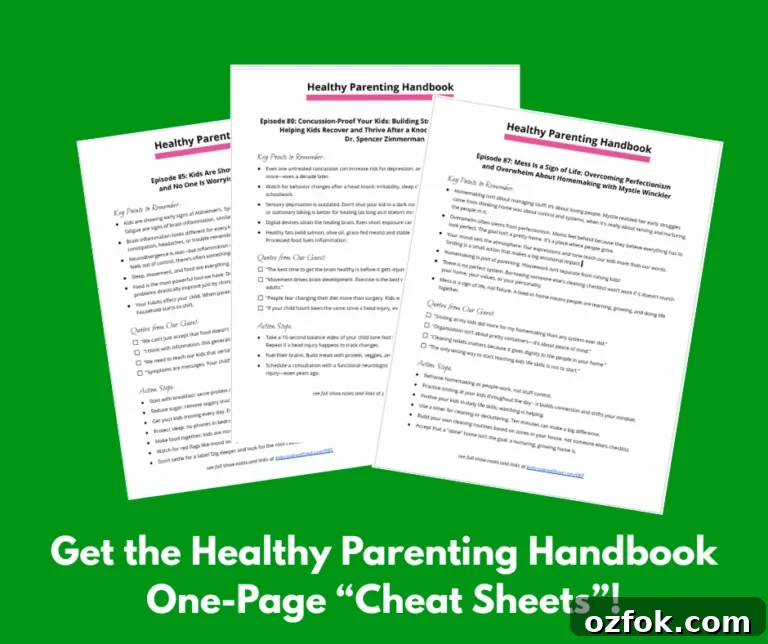
Turn expert advice into a handbook you can actually use.
I’ve interviewed hundreds of experts on the Healthy Parenting Handbook podcast. Short on time? These one-page summaries give you the key ideas fast so you can find what you need without downloading anything.
100% privacy – You’ll also receive Katie’s email newsletter with practical tools for raising capable, confident kids. You can change your preferences any time.
Key Takeaways about Raising Kids in an AI World
- As AI grows more capable, the most valuable human skills become even more important. Children benefit from strong communication, critical thinking, emotional regulation, adaptability, and resilience to thrive in a changing world.
- While AI can automate many knowledge-based tasks, it cannot replace genuine human connection, empathy, or thoughtful judgment.
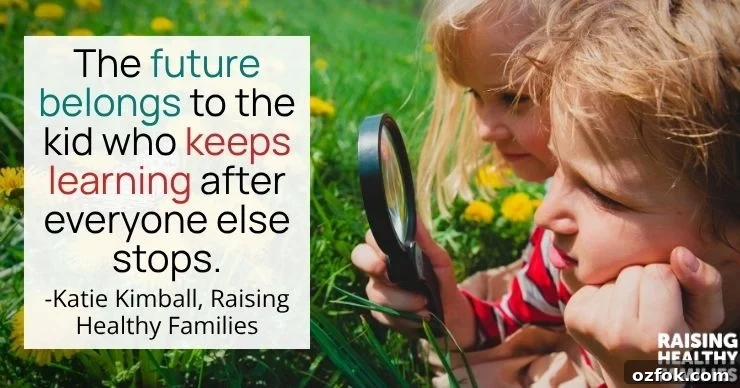
If your teens and kids can communicate with other people, they are going to be far above and beyond the average of their cohort group. – Katie Kimball, Raising Healthy Families
- Hands-on skills and entrepreneurial thinking will matter more as work shifts. Kids should learn problem solving, how to learn new things, and how to adapt quickly as industries evolve.
- Teaching life skills remains highly valuable, even if some practical tasks are automated in the future.
- The broader aim is to raise capable, thoughtful, emotionally healthy humans who can handle change with wisdom and confidence.
Keep the Life Skills Going All Year Round!
Missed #LifeSkillsNow? You can continue with workshops from past seasons. Pick a free workshop from each season while you wait for the next one.
Workshops include Making Homemade Gellies with Leah; Turning Big Ideas Into a Real Business with Billy Brady, CEO of Troomi Phones; How to Make a Phone Call with Katie and kids; Checking Fluid Levels in Your Auto with Sam Tillema; and Making Your Home Sensory Smart with Greg Santucci.
If you missed this year’s camp, these workshops give a good taste of our free life skills camp for kids and teens.
Show Me the Life Skills!
Action Steps from This Episode
- Prioritize face-to-face communication by helping kids practice eye contact, conversation, active listening, and public speaking.
- Encourage entrepreneurial thinking by exposing children to creative problem solving and role models who run businesses.
- Teach children how to learn, not just how to memorize facts, so they can adapt as technology and jobs change.
- Keep hands-on skills part of family life—cook together, fix things, build projects, and share real responsibilities to build competence.
No AI can practice emotional regulation for us. – Katie Kimball, Raising Healthy Families
- Teach basic money habits like budgeting, delayed gratification, and mindful spending to build financial literacy.
- Help kids develop emotional regulation through calm-down strategies, resilience practice, and healthy coping skills.
- Encourage critical thinking by asking thoughtful questions, evaluating sources, and discussing how technology and AI shape daily life.
- Stay engaged and keep conversations open as technology continues to evolve quickly.
Resources We Mention for Raising Kids in an AI World
- #LifeSkillsNow workshops and seasonal camps to build practical skills.
- Dr. Michele Borba’s episode on raising resilient kids for strategies on building grit and perseverance.
- Guides on teaching problem solving and independence to help children handle real-world challenges.
- Resources on teaching kids basic money habits—saving, budgeting, and mindful spending.
- Tips from counselors and coping skills experts on helping kids manage big emotions and challenges.