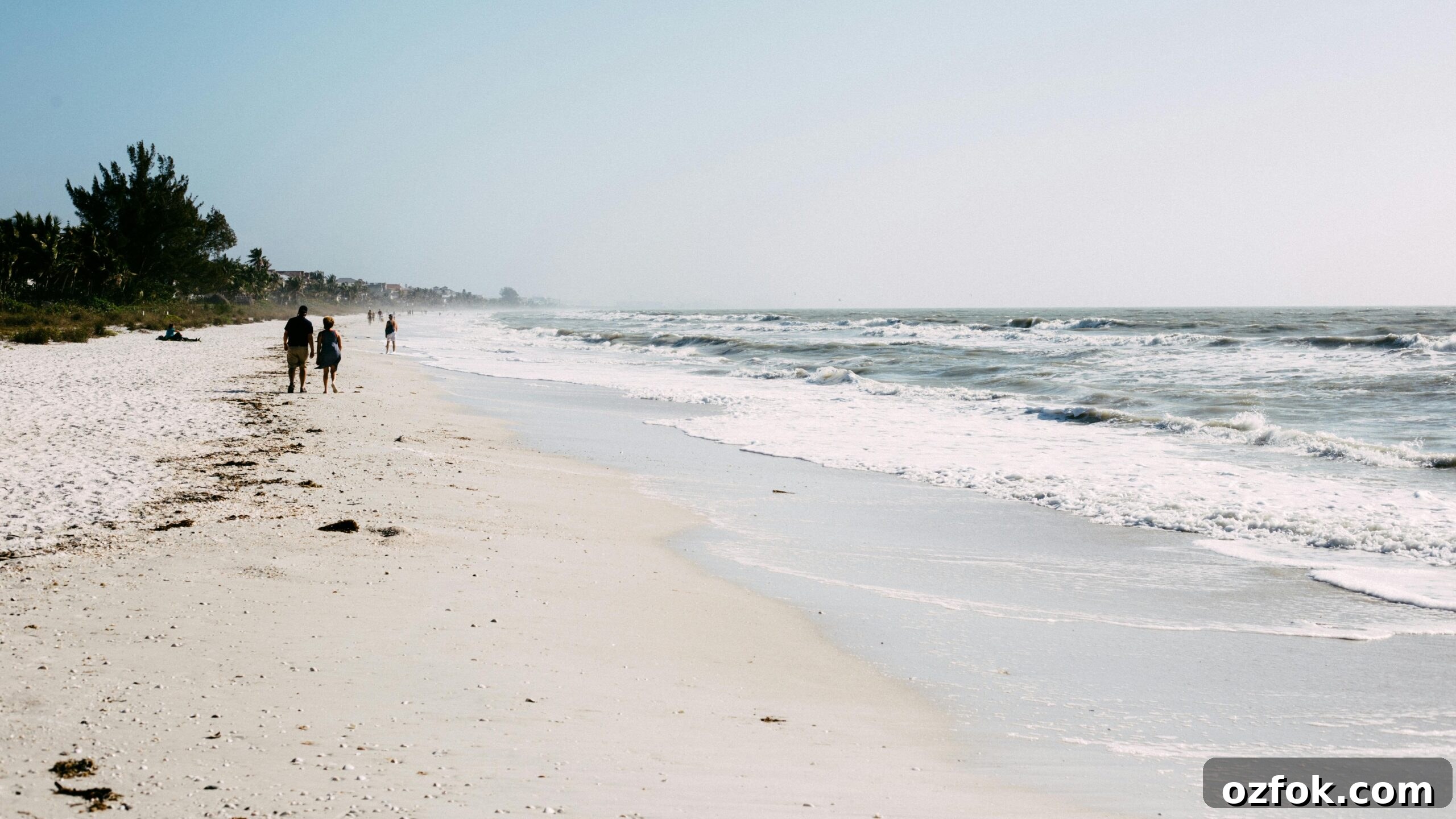
Florida boasts roughly 1,500 miles of coastline, offering a wide range of seaside environments and lifestyles. Each region along the coast has its own character, so whether you prefer lively beach towns, quiet retirement communities, or stretches of undeveloped shoreline, Florida has an option to suit your needs. To help narrow your search, here are twelve of the best Florida coasts to consider when picking a place to live.
Table of Contents
1. Treasure Coast
The Treasure Coast stretches across several counties and includes cities such as Stuart, Vero Beach, Port St. Lucie, Fort Pierce, and Jupiter. This region blends small-town charm with access to larger retail and dining options, making it attractive to shoppers and families alike. The name honors a Spanish fleet from 1715 that was wrecked by a hurricane while carrying treasure along this stretch of shore.
2. Cultural Coast
The Cultural Coast centers around Sarasota and nearby communities and is known for a vibrant arts scene. It’s home to galleries, performing arts venues like the Sarasota Opera and the Van Wezel Performing Arts Hall, the Ringling Museum and Estate, and theaters that host regular productions. Film, music, and arts festivals are common here, drawing visitors and residents who appreciate creative and cultural events.
3. Forgotten Coast
The Forgotten Coast runs from Mexico Beach to St. Marks and includes towns such as Apalachicola, Port St. Joe, Eastpoint, and Alligator Point. This area remains one of Florida’s least developed coastal regions, prized for its quiet beaches, local seafood communities, and an unhurried pace of life. Tallahassee is roughly a 90-minute drive inland, offering city amenities while keeping the coastline feeling remote and natural.
4. Space Coast
The Space Coast offers roughly 70 miles of shoreline and combines beach activities with unique space-related attractions. Kennedy Space Center and Port Canaveral are major highlights here, making rocket launches and aerospace history part of local life. Nearby towns provide shopping, dining, and outdoor recreation, appealing to families and visitors seeking both sun and science.
5. First Coast
The First Coast, which includes Jacksonville, St. Augustine, Ponte Vedra, Fernandina Beach and Palm Coast, encompasses more than 80 miles of coastline. St. Augustine—America’s oldest continuously occupied European-established city—gives the region a rich historical identity. This area is ideal for history lovers who want coastal living paired with museums, historic sites, and charming downtown districts.
6. Nature Coast
The Nature Coast covers one of Florida’s larger, more rural coastal regions and is well suited to outdoor enthusiasts. With abundant state parks, rivers, springs, and gulf islands, it’s a top spot for hiking, fishing, boating, snorkeling, and wildlife viewing. The emphasis here is on preserving natural habitat, so residents enjoy less development and more opportunities to experience Florida’s native ecosystems.
7. Paradise Coast
Centered around Naples and including Marco Island, Everglades City, Ave Maria, and Immokalee, the Paradise Coast lives up to its name with white sand beaches, clear waters, and scenic natural areas. This region attracts those seeking upscale coastal living, resort-style amenities, and access to both Gulf beaches and nearby Everglades adventures.
8. Fun Coast
Also called the Surf Coast, the Fun Coast includes New Smyrna Beach, Ormond Beach, and Daytona Beach. It’s a popular destination for surfers of all skill levels and hosts lively beach culture, motorsports in Daytona, and a wide range of seasonal events. If surfing, beach festivals, and energetic coastal scenes appeal to you, this stretch has a lot to offer.
9. Lee Island Coast
The Lee Island Coast, named for Lee County, encompasses barrier islands such as Sanibel and Captiva and nearby cities like Fort Myers, Cape Coral, Estero, and Bonita Springs. The area provides year-round outdoor activities, excellent beaches, and boating opportunities. It also has historical attractions, including museums tied to local innovators and inventors, and offers a comfortable blend of island tranquility and mainland conveniences.
10. Gold Coast
The Gold Coast runs from South Miami north to West Palm Beach and includes over 60 miles of Atlantic shoreline. Known for its upscale neighborhoods, glamorous lifestyle, and high-end shopping and dining, this coast attracts residents who want luxury coastal living with easy access to metropolitan amenities and vibrant nightlife.
11. Sun Coast
The Sun Coast is named for its abundant sunny days and is a popular draw for seasonal visitors and residents seeking warm weather. Cities and towns along this coast include Clearwater, Tampa, St. Petersburg, Dunedin, Largo, Bradenton, and Sarasota. The Sun Coast combines beautiful beaches with cultural venues, parks, and family-friendly attractions.
12. Emerald Coast
Located in the Florida Panhandle from Pensacola Beach to Panama City Beach, the Emerald Coast is celebrated for its striking emerald-green waters and powdery white sand. Barrier islands and coastal viewpoints offer excellent birdwatching, boating, and beachcombing. This scenic stretch is popular for both vacationers and those seeking a relaxed coastal lifestyle.
Moving to Florida can feel overwhelming without a clear destination, but understanding these distinct coastal regions can help you find the environment that best matches your priorities—whether that’s cultural amenities, natural beauty, active outdoor life, or upscale coastal living. Once you narrow your preferences, a local real estate professional can help you find the neighborhood or community that fits your needs.