
My mom and I still laugh about a high school attempt at gingerbread that turned into a rock-hard slab in the fridge. Determined to avoid that failure, I experimented and adapted the reverse creaming method so the dough would roll out easily without chilling. After great success with a dark chocolate gingerbread version, I developed this classic no-chill gingerbread cut-out cookie recipe. It uses the reverse creaming method, rolls out immediately with minimal extra flour, and also behaves beautifully if chilled overnight. The dough is forgiving and sturdy enough for intricate shapes.
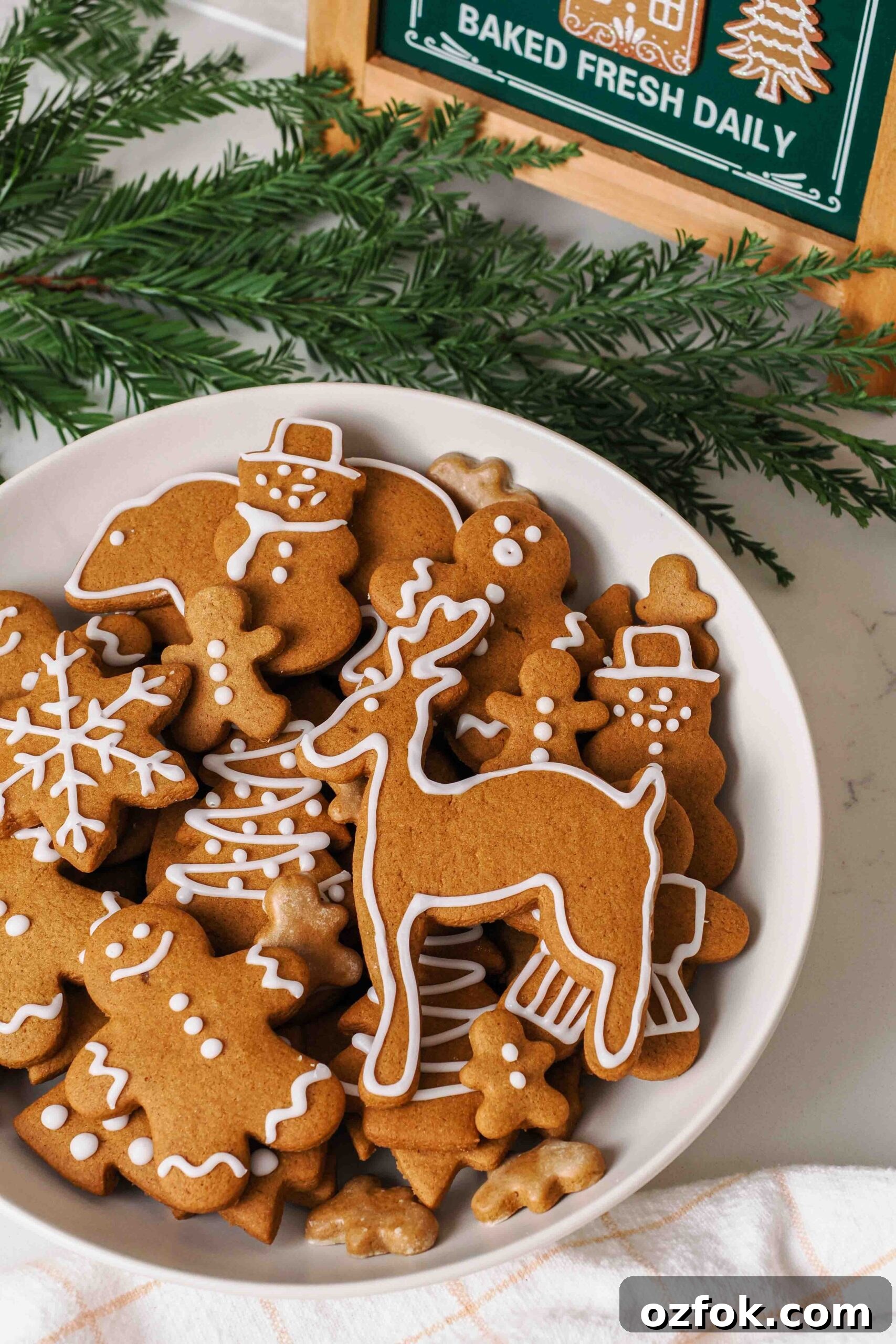
“This recipe 100% works! And it’s delicious! A perfectly soft gingerbread but still has a bit of a crunch and the spice level is perfection! Can’t say enough great things about it!” -757Lemon
Leave your review below
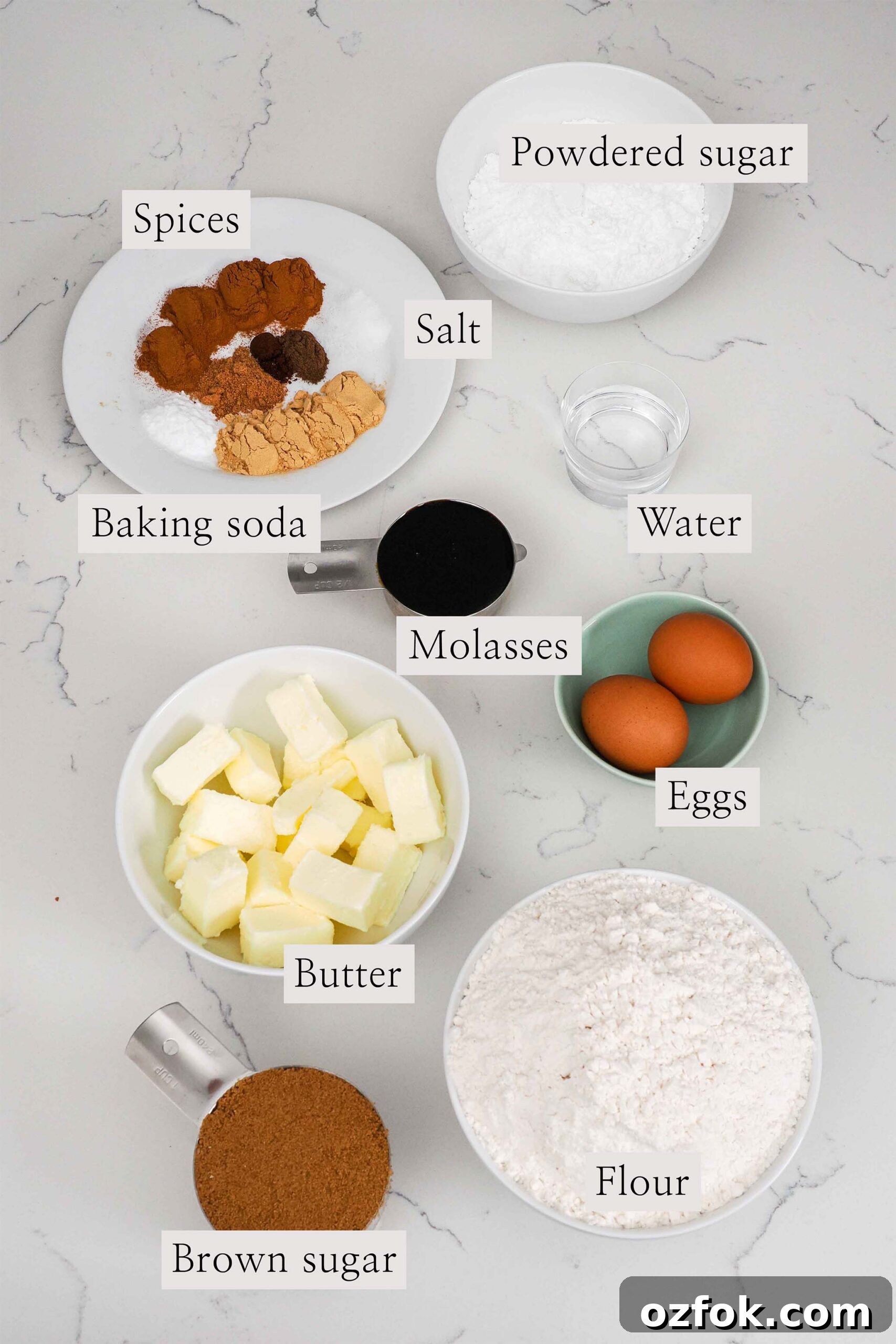
Ingredients for No-Chill Gingerbread
These no-chill gingerbread cookies are soft, slightly crisp at the edges, and warmly spiced. The reverse creaming method limits gluten development so the dough stays less sticky and easier to work with. Ingredients are simple and classic:
- All-purpose flour. Provides structure; the recipe hasn’t been tested with gluten-free blends, though a tested 1:1 substitute may work.
- Brown sugar. Adds moisture and a rich flavor; this recipe uses brown sugar rather than granulated sugar.
- Salted butter. Softened to room temperature. Use unsalted and add a pinch more salt if preferred. For dairy-free cookies, use a good vegan butter.
- Spices. Ground ginger, cinnamon, nutmeg, cloves, and allspice create the classic gingerbread profile.
- Baking soda. Gives a modest lift without excess spreading.
- Salt. Enhances the spice and sweetness.
- Molasses. Keeps cookies tender and adds deep flavor and color.
- Eggs. Bind the dough and contribute to structure.
- Powdered sugar. Mixed with water for a simple, thick icing that pipes well; royal icing can be used if you prefer.
How to Make Gingerbread Cookies via the Reverse Creaming Method
The reverse creaming method coats flour with fat to prevent strong gluten formation, producing a softer, less sticky dough that’s ideal for cut-outs. It also simplifies the process: combine dry ingredients with butter first, then add liquids to form the dough. The dough can be rolled immediately or chilled for up to two days without becoming difficult to work with.
Why The Reverse Creaming Method?
Creaming flour, sugar, and butter together before adding the wet ingredients envelops the flour in fat and limits gluten development. The result is a dough that doesn’t stretch or toughen, rolls out smoothly, and holds shape well in the oven without puffing up.
Making the Gingerbread Cookie Dough
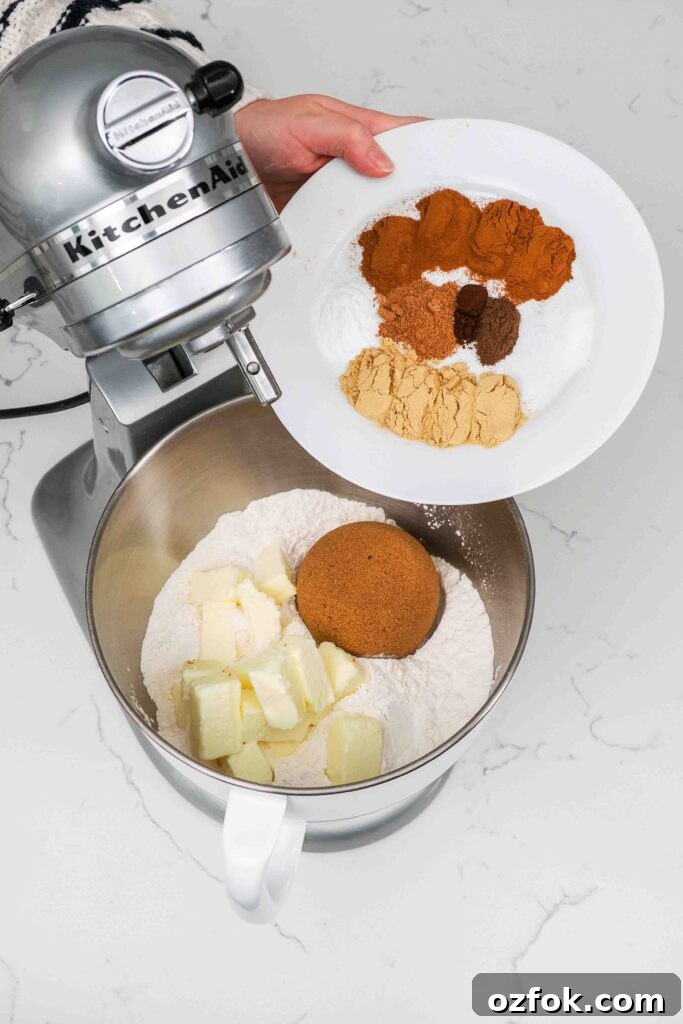
Add the flour, brown sugar, butter, spices, baking soda, and salt to a large bowl or the bowl of a stand mixer fitted with a paddle (or beater) attachment. Use butter that’s soft but not melted.
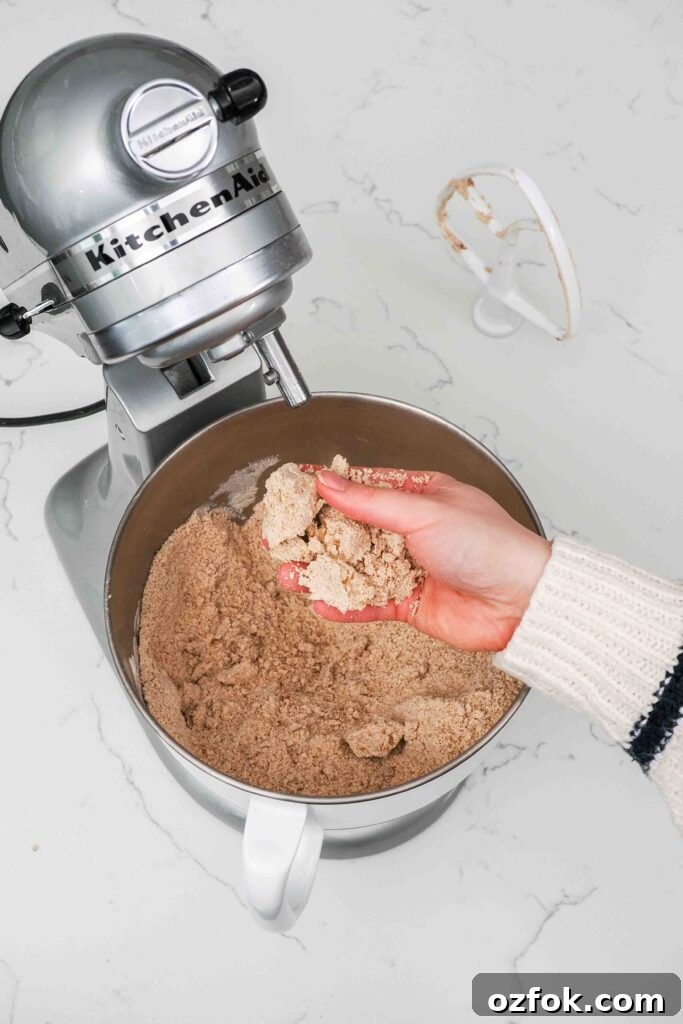
Mix on low until the mixture looks sandy and no large butter pieces remain. The mixture should hold together when squeezed, then crumble apart easily.
Next, add the eggs and molasses and beat on low until a cohesive dough ball forms, usually a few minutes. If the dough seems overly soft or sticky, add 1–2 tablespoons (10–15 g) more flour. Roll immediately or wrap tightly and chill for up to 2 days.
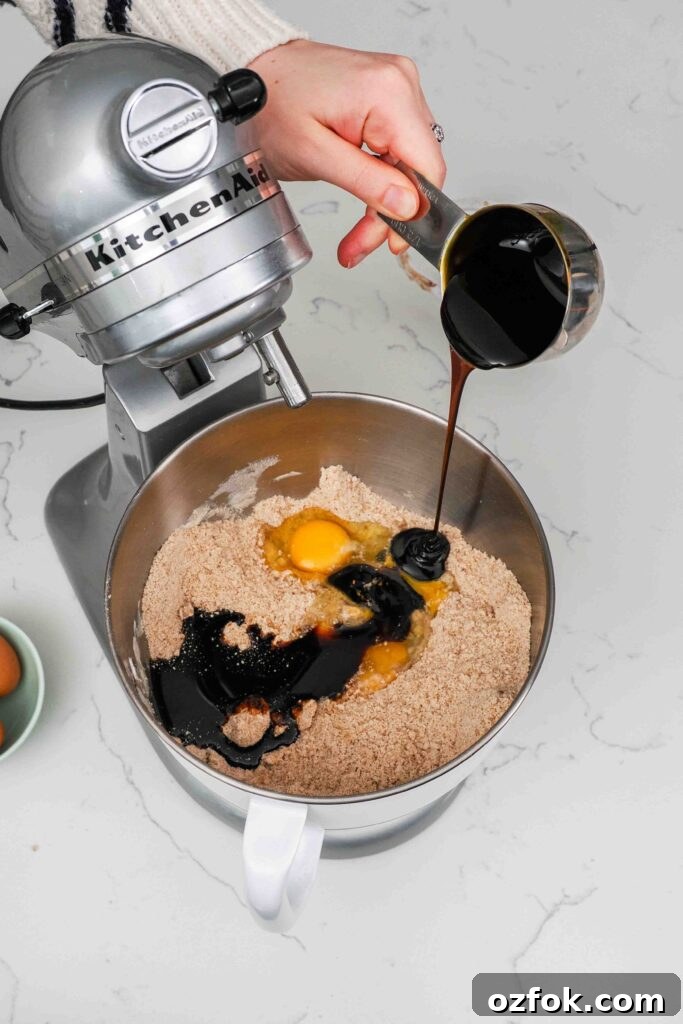
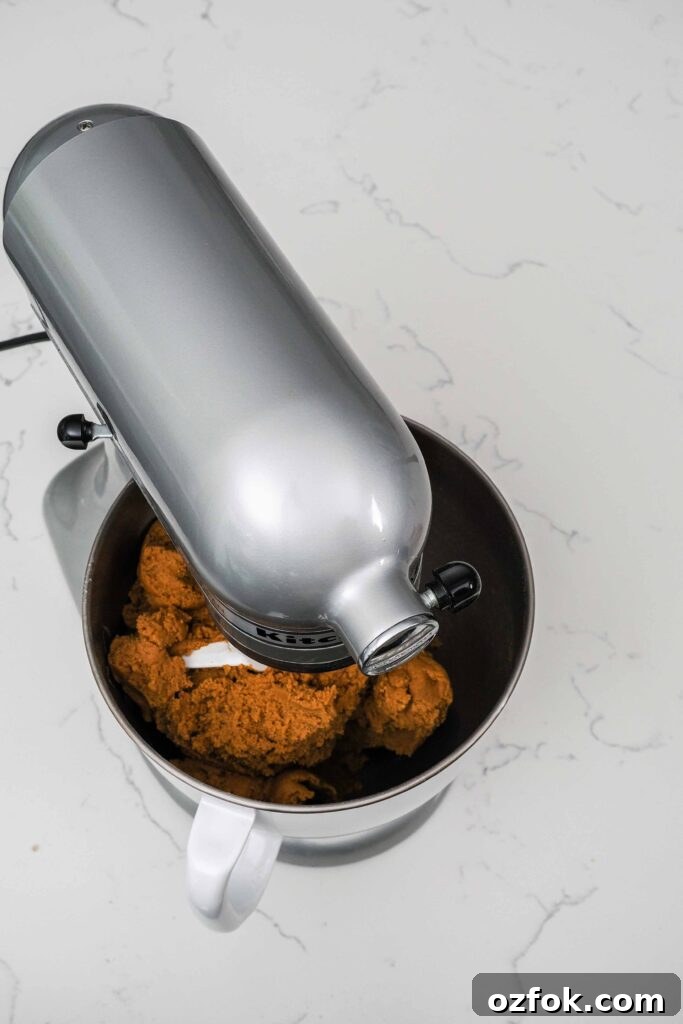
Quick Tips for Rolling Out No-Chill Gingerbread Dough
This dough works at room temperature and chilled. Roll it on a lightly floured surface or between sheets of parchment. If your countertop is warm or smooth, use a slightly heavier dusting of flour. Roll the dough to about 1/4″–3/8″ (6–9 mm); this thickness helps keep cut-outs sturdy and minimizes tearing.
Use your cutters to cut shapes and transfer them carefully to a lined baking sheet at least 1″ (25 mm) apart to allow a small amount of spread. For delicate shapes, use a bench scraper or offset spatula to lift pieces cleanly. Leftover scraps reroll well—this dough tolerates multiple rerolls.
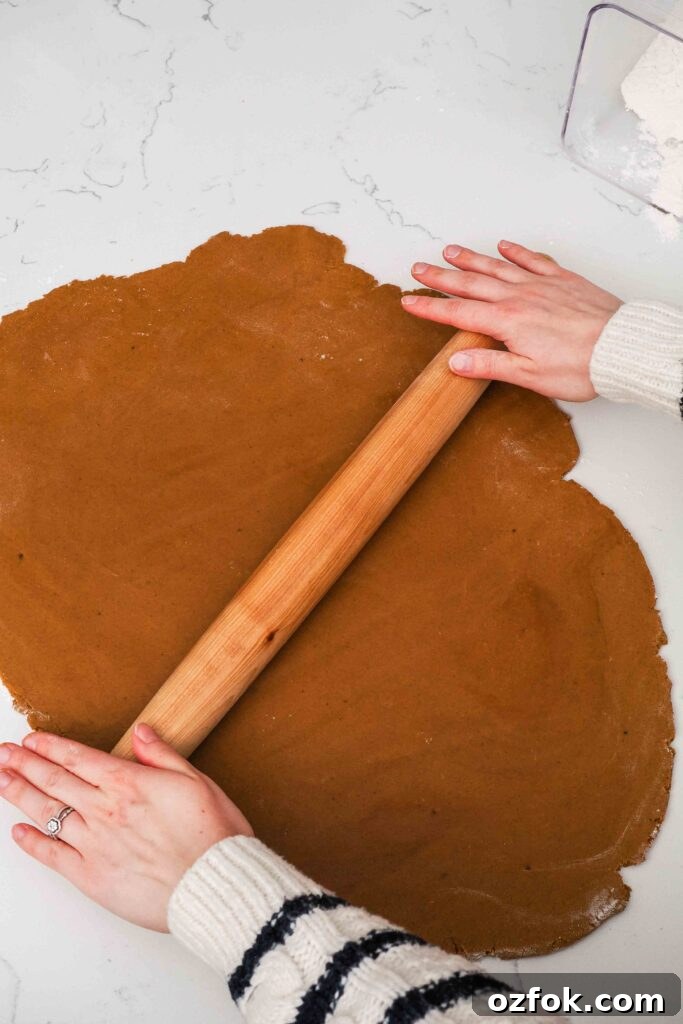
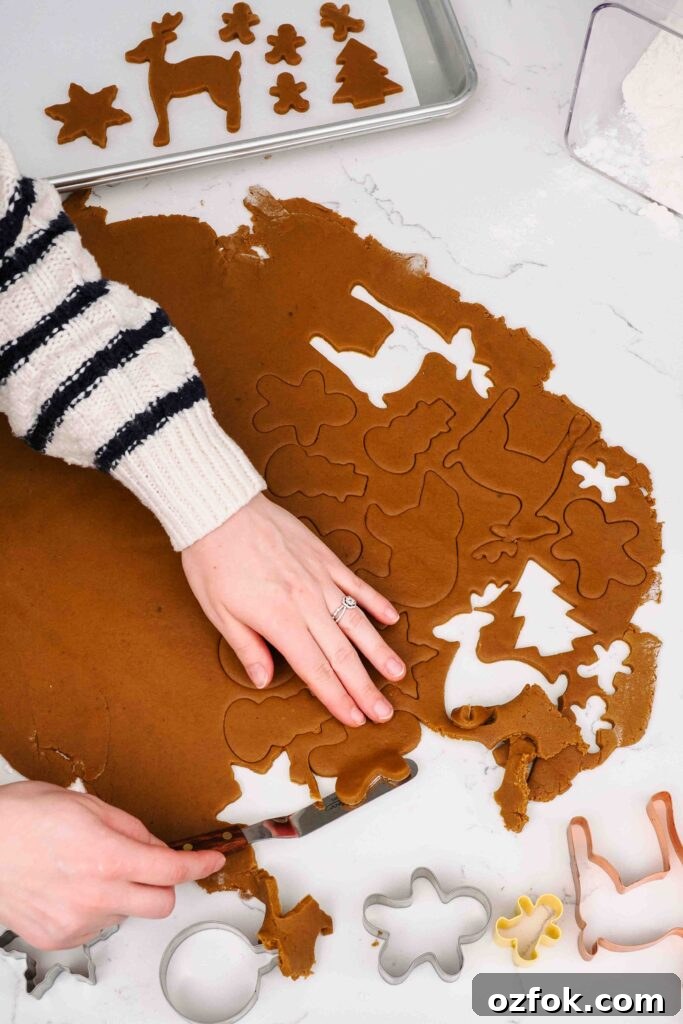
How to Bake Gingerbread Cookies
Preheat the oven to 350°F (175°C). Bake on parchment- or silicone-lined sheets for 9–13 minutes, until the tops are matte and edges are slightly darker than the centers. Smaller or thin shapes finish nearer 9–10 minutes; larger or thicker cookies need 12–13 minutes. For firmer cookies, add a couple of minutes until the bottoms take on more color.
Bake one sheet at a time for the most even results, or bake two at once and rotate the pans halfway through the bake time.
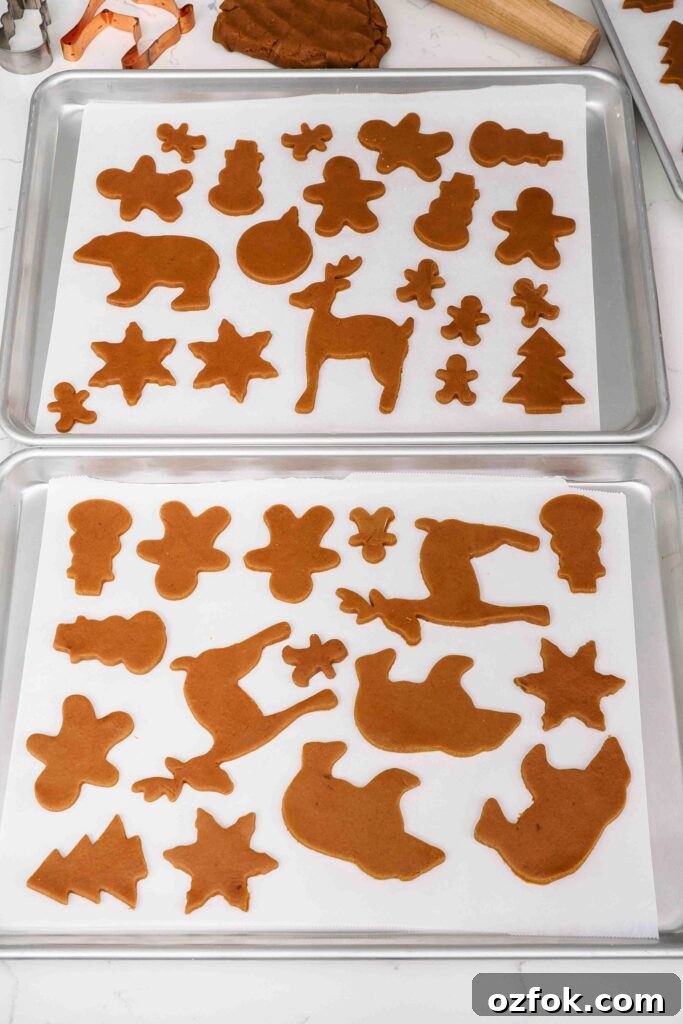
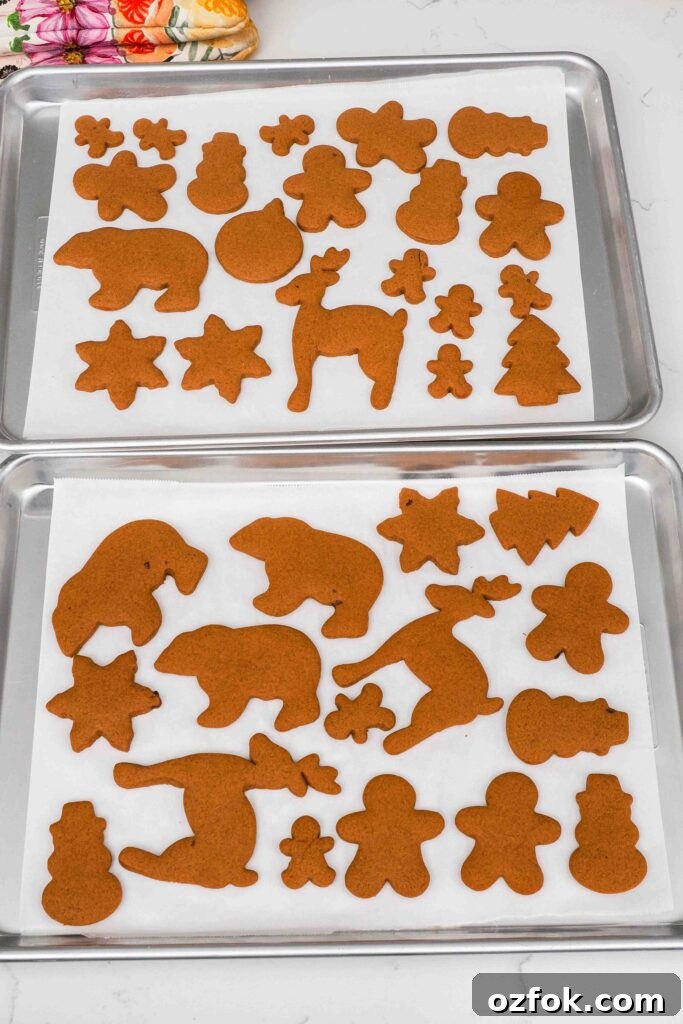
How to Decorate Gingerbread Cookies
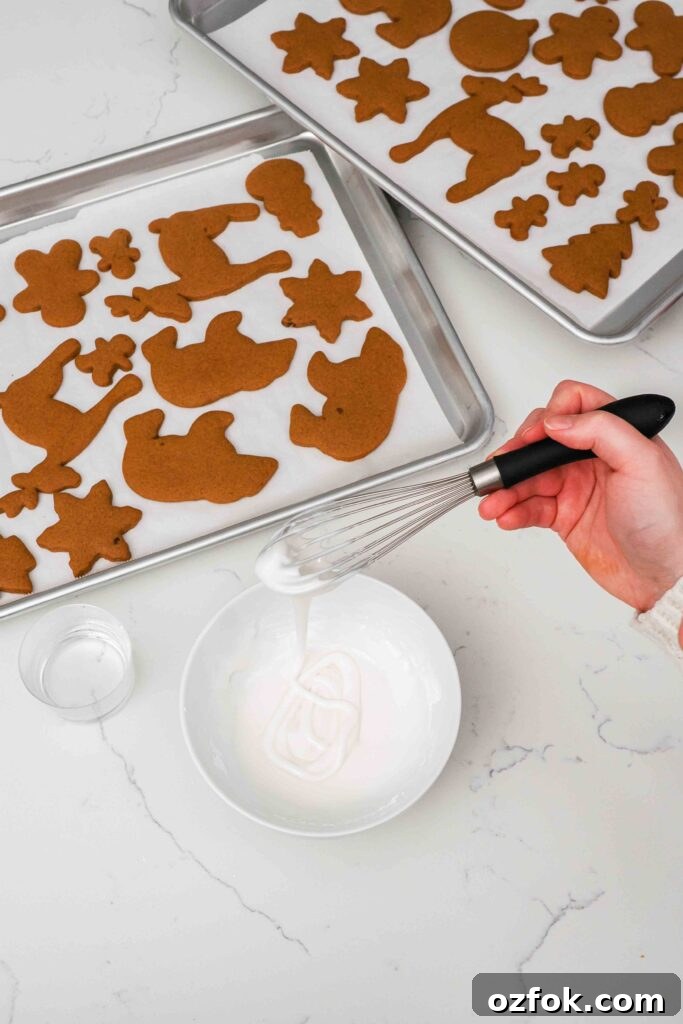
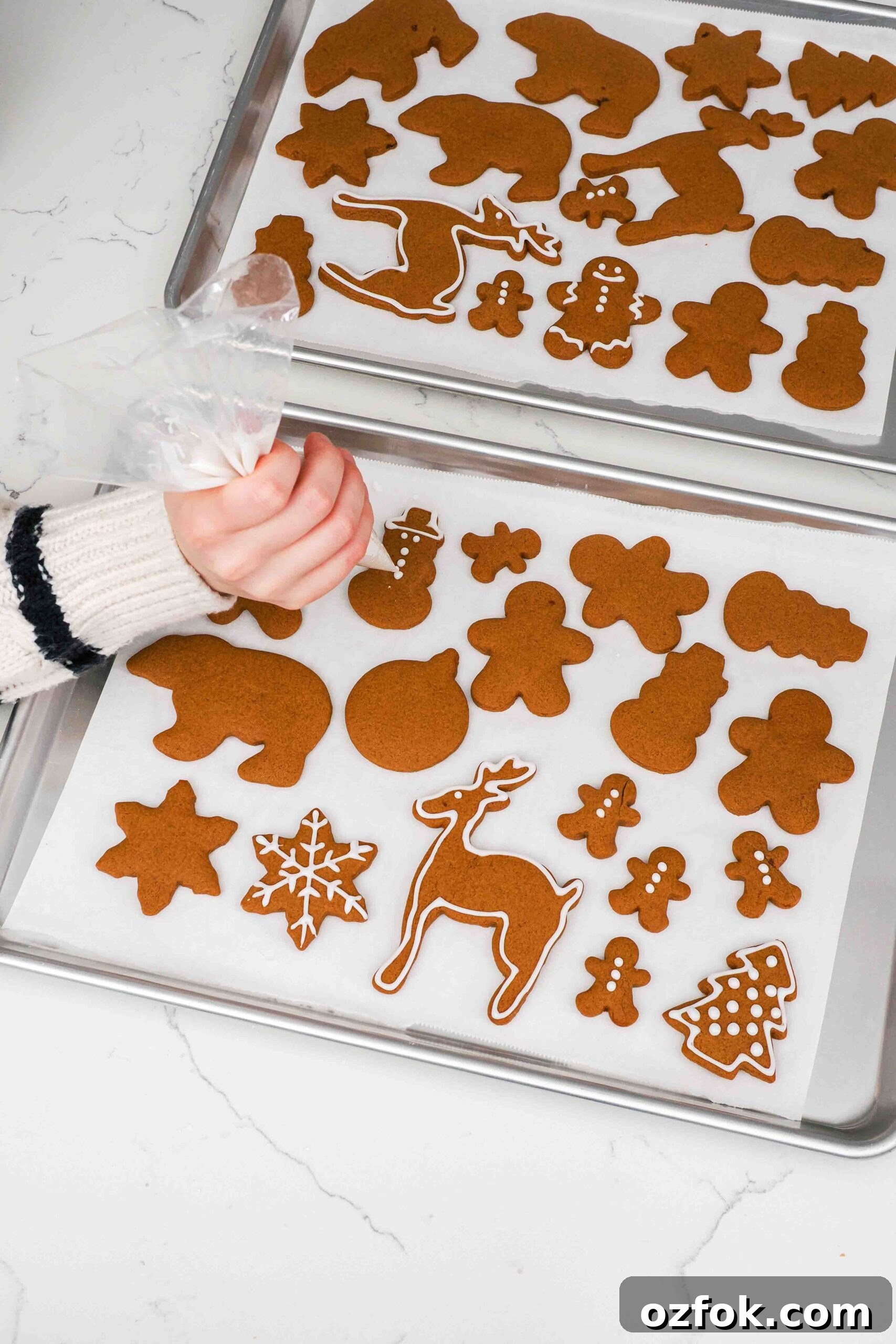
A simple icing of powdered sugar and water is quick and effective. Start with powdered sugar in a bowl and add about half the water, then add drops at a time until you reach a thick, pipeable consistency. A thick icing gives opaque coverage but takes more effort to pipe; thinner icing is easier to flood large areas.
Divide and tint the icing with gel color if desired. Transfer to piping bags fitted with a small tip or snip a tiny opening and pipe outlines and details. Let the icing set before stacking or packaging.
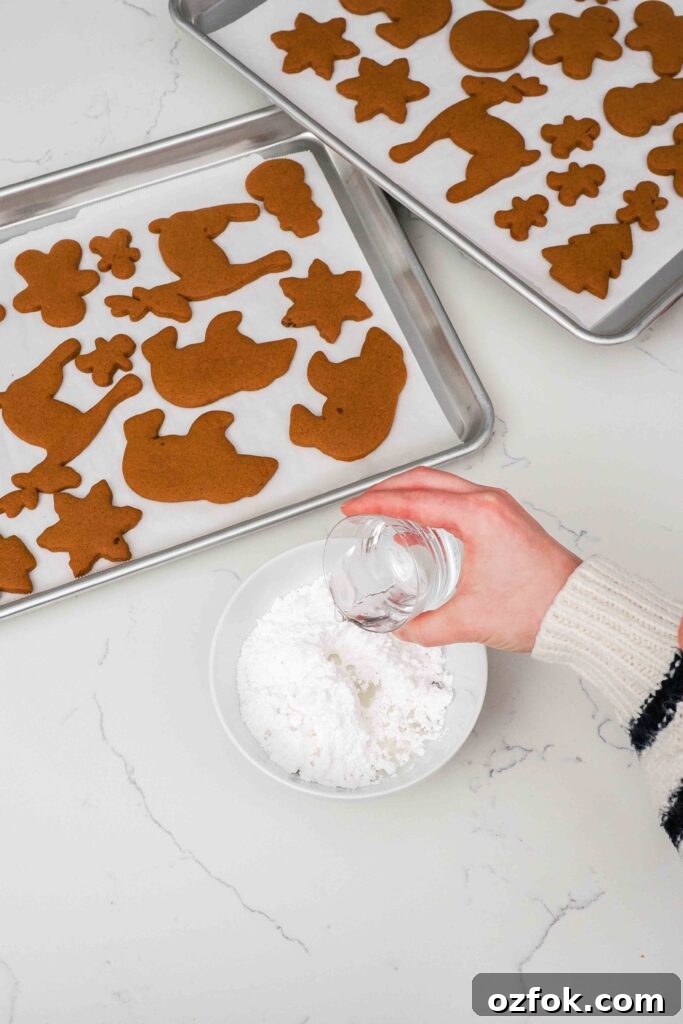
How to Make Mini Gingerbread Cookies
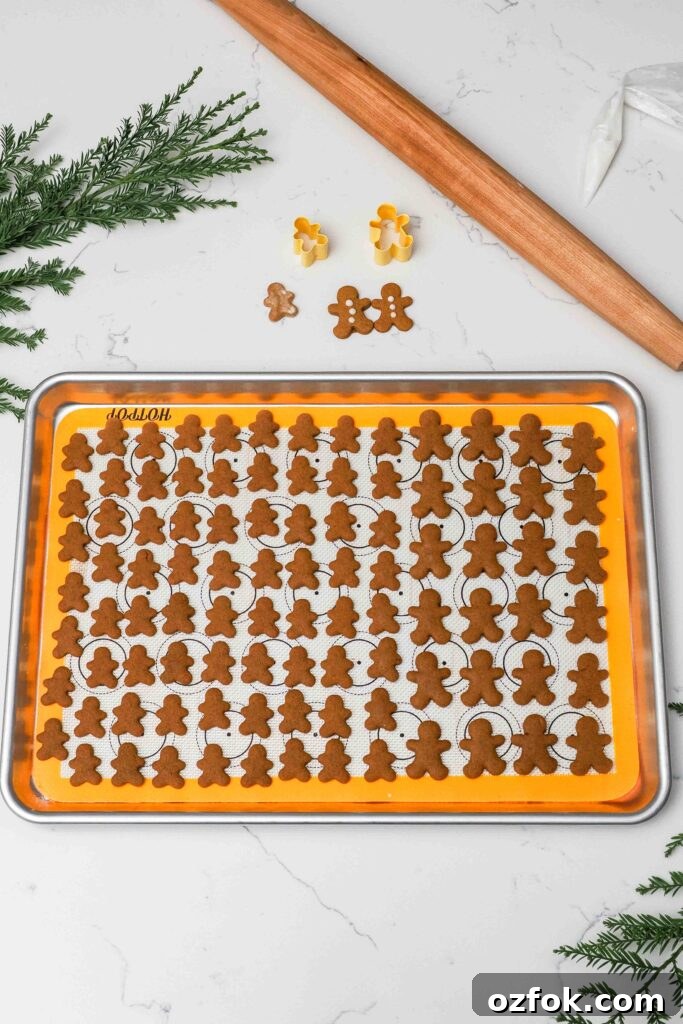
After cutting standard shapes, use any remaining dough to make minis. Mini gingerbread are fun for garnishes, treats, or decorations. Cut with small cutters and bake at 350°F for about 8 minutes; if using parchment or a darker sheet, begin checking at 6 minutes. Cool and decorate simply—tiny buttons or a few piped details look adorable.

FAQs about No-Chill Gingerbread
Could I use this gingerbread for building gingerbread houses?
Probably not ideal. This dough bakes into tender cookies, so it won’t provide very strong structural support for houses.
Can I use royal icing instead of powdered sugar icing?
Yes. The quick powdered sugar-and-water icing is included for convenience, but royal icing works well if you prefer it.
How long do soft gingerbread cookies keep?
Stored in an airtight container at room temperature, they stay soft for up to two weeks. For longer storage, freeze the baked cookies.
Why don’t you cream the butter and sugar together first?
The reverse creaming method coats the flour in fat, limiting gluten and helping cut-outs keep their shape without puffing or stretching.
Can I chill the dough overnight even though it’s a no-chill recipe?
Yes—the dough rolls and behaves well chilled, too.
Other Recipes You May Enjoy
If you like gingerbread, try variations such as chocolate gingerbread or gingersnap-inspired treats for more spice-forward baking.

Dish Cleanup
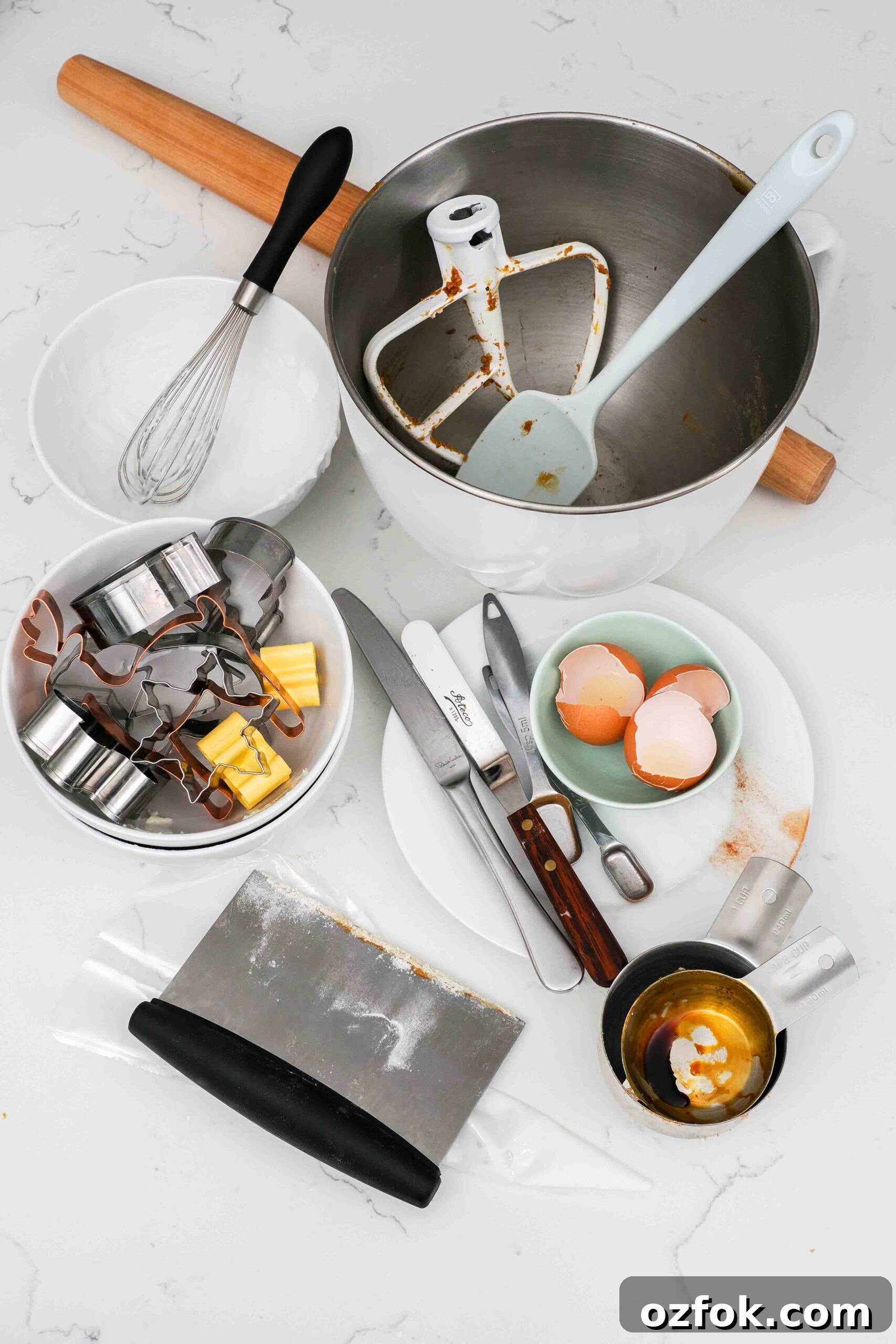
I rate cleanup on a scale of 1–5; this recipe is about a 4 because you’ll use a mixing bowl, measuring tools, a rolling pin, and cookie cutters. Using parchment or silicone liners reduces pan cleanup.
No-Chill Gingerbread Recipe
Thanks for reading! If you make these cookies and enjoy them, please leave a review so others know how they turned out.

No-Chill Gingerbread Cookies
Ingredients
For the Gingerbread Cut-Outs
- 4 1/2 cups (600 g) all-purpose flour, spooned and leveled, plus more for dusting
- 1 cup (210 g) brown sugar
- 16 Tablespoons (170 g) salted butter, softened
- 4 teaspoons (8 g) ground ginger
- 4 teaspoons (8 g) ground cinnamon
- 1 teaspoon ground nutmeg
- 1/2 teaspoon ground cloves
- 1/2 teaspoon ground allspice
- 1 teaspoon baking soda
- 1/2 teaspoon salt
- 1/2 cup (170 g) molasses
- 2 large eggs
For the Icing
- 1 1/2 cups (155 g) powdered sugar, sifted
- 2–3 Tablespoons (30–45 ml) water, add a few drops at a time
Instructions
To Make the Gingerbread Cookies
- Preheat oven to 350°F (175°C). Line baking sheets with parchment or silicone mats.
- In a stand mixer bowl with the paddle or a large bowl, combine flour, brown sugar, softened butter, spices, baking soda, and salt. Mix on low until the mixture looks sandy and no large butter pieces remain.
- Add molasses and eggs, then beat on low until a cohesive dough ball forms, about 3–4 minutes. If dough is very soft or sticky, add 1–2 Tablespoons (10–15 g) more flour. Roll immediately or wrap tightly and refrigerate up to 2 days.
- On a lightly floured surface, roll dough to about 1/4″–3/8″ (6–9 mm) thick. Dust with flour as needed.
- Cut shapes with cookie cutters and transfer carefully to lined baking sheets at least 1″ (25 mm) apart. Use a bench scraper or offset spatula for delicate shapes. Combine scraps and reroll as needed.
- Bake 9–13 minutes until tops are matte and edges are slightly darker than centers. Thin or small cookies ~9–10 minutes; larger or thicker cookies ~12–13 minutes. For crisper cookies, bake a few minutes longer until bottoms color slightly.
To Ice the Gingerbread Cookies
- Let cookies cool completely. In a bowl, whisk powdered sugar with half the water, then add drops of water until you reach a thick, pipeable consistency. The thick icing should leave a visible trail for 10–15 seconds when drizzled.
- Divide and tint if desired. Transfer to piping bags and decorate. Allow icing to set before stacking.
Notes
Thanks to the molasses, these cookies stay soft for days in an airtight container. Best enjoyed within two weeks, or freeze for up to three months.
Recommended Supplies
- Rolling pin
- Cookie cutters
- Bench scraper or offset spatula
- Baking sheets and parchment or silicone mats
Nutrition
Per cookie: Calories 98 kcal | Carbs 16 g | Protein 1 g | Fat 3 g
Share your results: take a photo and tag the creator on Instagram @floralapronblog or use the hashtag #floralapronbakes to show how your cookies turned out.